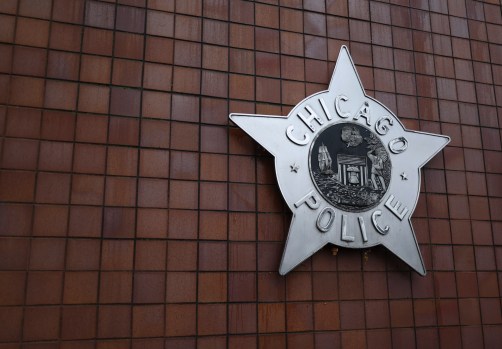
Gov. Rod Blagojevich plans to use $2.6 million from the state budget to begin processing a backlog of DNA evidence from nearly 1,500 rape victims that has sat untested on police evidence shelves, officials said Tuesday.
The three-year statewide backlog is due to a shortage of scientists on staff in the Illinois State Police Crime Lab, budget constraints and shifting priorities.
Officials said the money has been earmarked from the Illinois State Police budget to begin training 14 new scientists by May. Within the next few weeks, rape kits will be going out to private labs and the results will be put into a national database, said Abby Ottenhoff, a spokeswoman for Blagojevich. Still, the backlog will not be cleared this year, she said.
“It’s something the governor is committed to doing,” said Ottenhoff. “We have the technology to help. We want to make sure that we’re doing everything we can to take advantage of the technology.”
In December, the governor vowed to find up to $3 million to deal with the backlog. The move came days after a Chicago Tribune story about a group of women seeking to raise money to have the rape kits privately tested.
Sheri Mecklenburg, chief counsel to Chicago Police Supt. Philip Cline, heads the group, the Women’s DNA Initiative. The group has raised about $130,000 to help pay the cost of eliminating the backlog.
“While we applaud the governor’s efforts, we would like to see the backlog reduced faster than the plan calls for and therefore we would like to continue in our efforts to help,” Mecklenburg said.
State police officials found the money in their budget within the last few days, after Blagojevich ordered officials to review their spending plans, Ottenhoff said. The money was to be used for general spending by state police, she said.
The new scientists will be added to the current 42, Ottenhoff said. It takes about 18 months to train them.
An internal state assessment found that $3 million was needed to completely wipe out the backlog. The remainder of the money is expected to come from next year’s spending plan, she said.
“That will allow us to make a significant dent, but we anticipate we will have to continue making this a priority in the coming fiscal year as well,” Ottenhoff said. “We will craft [next year’s] budget knowing this is something we need to work on.”
The state police said the crime lab has a backlog of 1,063 cases while the remainder sits on Chicago police evidence shelves waiting to be tested. Each month, about 180 rape kits are sent to the state crime lab, while only about a third of that number can be analyzed at a time, said Larry Trent, state police director. An estimated 3,800 cases will be sent out this year, he said.
The rape kits hold particles of DNA evidence left by attackers. The DNA can lead to a suspect when compared with a national FBI database of offenders. New York City police recently cleared up a backlog of 17,000 cases leading to 107 arrests.
Former New York City Police Commissioner Howard Safir, who got the city to pay $12 million to have the kits tested, called Blagojevich’s announcement, “a good thing to do.
“Every day that one of those kits is sitting on a shelf means that there is a potential rape victim out there who is going to be accosted by a rapist who could be in jail,” Safir said. “My view is there is never enough money … the more resources that can be devoted to that, the better off we are.”
While the U.S. Justice Department estimates there are “tens of thousands” of rape kits that have not been tested by police departments across the country, Safir believes the number is closer to half a million.
To clear up a similar backlog in 2001, state officials spent $2.3 million to expand the nine labs that process evidence. While 11 scientists were hired to focus on DNA, the labs fell behind.
Sasha Walters of Rape Victims Advocates, a Chicago counseling center, said the focus should be on making sure that officials keep up with testing.
“We need to make sure it’s taken care of on a regular basis,” Walters said. “It seems there is enough of a commitment to see that this will occur.”