













Earlier this week, 86-year-old Chester Weger died of cancer in Kansas City, Missouri, surrounded by his family, his attorney Andy Hale said.
Despite his persistent claims of innocence, Weger lived six decades in prison after confessing to the haunting Starved Rock State Park murders of three suburban Chicago women who were attacked during a hike in broad daylight.
Here’s a look back at the case and the man who was convicted of the crime.
March 14, 1960

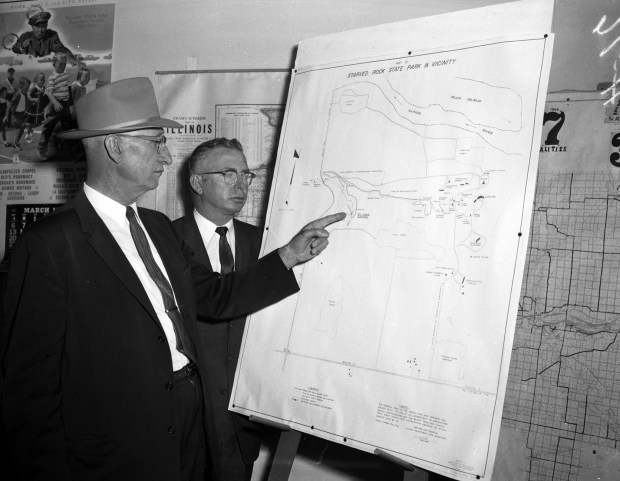
Lillian Oetting, 50, Frances Murphy, 47, and Mildred Lindquist, 50, left their Riverside homes in suburban Chicago for a four-day vacation at Starved Rock State Park near Utica, Illinois. They checked into the Starved Rock Lodge and ate lunch before heading out on an afternoon hike through St. Louis Canyon, a popular attraction framed by a scenic waterfall and high rock walls. The women, wives of prominent Chicago business owners, were never seen alive again.
Weger, then a 21-year-old dishwasher at Starved Rock Lodge who was married with two children, arrived at work with scratches on his face, lodge employees later told police. Weger claimed he was writing letters at the lodge at the time of the murders.
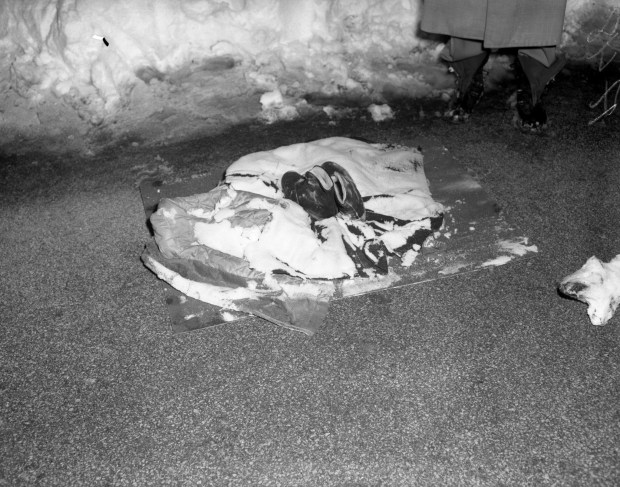
The women’s bodies were discovered in a cave. They were bound, partially nude and bludgeoned to death, each having injuries consistent with suffering more than 100 blows. Authorities believed the killer or killers caused the catastrophic head injuries by swinging a frozen tree limb that was found nearby and stained with blood.
Nov. 17, 1960

Weger confessed to the murders and led investigators in a reenactment of them. Prosecutors said Weger knew things only the killer could have known, such as the fact that a red-and-white airplane flew over the canyon the day of the murders.
Weger repudiated his confession two days later.
Nov. 18, 1960

A LaSalle County grand jury indicted Weger for the murder of the three Riverside women.
Weger said threats of electrocution and an offer of a “deal” by LaSalle County authorities impelled him to confess to the Starved Rock State Park triple murder.
March 3, 1961

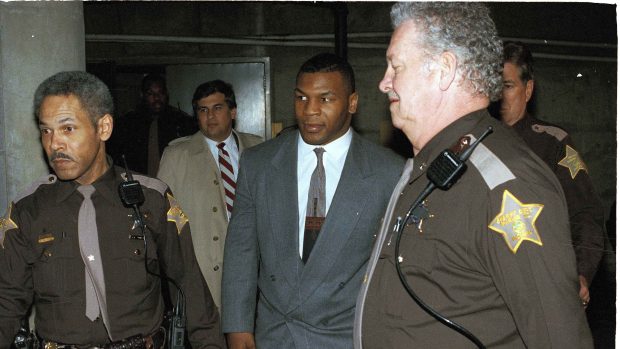
Weger was convicted in the murder of Oetting. The jury — made up of seven women and five men — fixed his punishment at life imprisonment. Two jurors became dismayed upon learning that Weger could be eligible for parole in 20 years. As he was led out of court, two sheriff’s deputies reported hearing Weger say, “You’ll never hold me.”
April 3, 1961

Weger was sentenced to life imprisonment for Oetting’s murder and Judge Leonard Hoffman rejected Weger’s plea for a new trial a few months later. Later, prosecutors, citing Weger’s life sentence, opted against trying him for the other two women’s deaths. Weger was taken to the Illinois state penitentiary in Joliet to begin his life sentence. He was assigned prison number 48223.
The Illinois Supreme Court later upheld Weger’s conviction and life sentence.
April 20, 1963

While serving a life sentence, Weger penned an autobiography and gave the 48-page manuscript to a Tribune reporter. In it, Weger proclaimed his innocence.
July 8, 2004

DNA testing on items, including Weger’s coat and hair found in the victims’ fists, showed the evidence had been contaminated. After Weger’s conviction in 1961, and after appeals were exhausted, prosecutors allowed school groups, civic clubs and student journalists to handle and examine the evidence.
Nov. 21, 2019

Weger was granted parole on his 24th try, in a 9-4 vote. State officials were seeking to have Weger evaluated under the state’s sexually violent persons law, which allowed for continued civil commitment if a person is deemed sexually violent.
Feb. 21, 2020

Weger, 80, was released from Pinckneyville Correctional Center.
Want more vintage Chicago?
- Become a Tribune subscriber: It’s just $12 for a 1-year digital subscription
Thanks for reading!
Subscribe to the free Vintage Chicago Tribune newsletter, join our Chicagoland history Facebook group, stay current with Today in Chicago History and follow us on Instagram for more from Chicago’s past.
Have an idea for Vintage Chicago Tribune? Share it with Kori Rumore at krumore@chicagotribune.com.