


A development effort targeting Far South Side neighborhoods generated nearly $1.5 billion of economic impact in a little more than 10 years, filling once-vacant land with advanced manufacturing, new warehouses, retail and restaurants, according to a new study.
It’s a remarkable change from 2006, when the Ryerson Steel plant near 111th Street and the Bishop Ford Freeway in Pullman closed for good, leaving a big hole in the local economy, along with vacant storefronts and declining property values.
A wind turbine and the eco-friendly Method Products soap factory occupy a portion of the 180-acre site, now called Pullman Park, which also includes distribution facilities for Whole Foods, Amazon and SC Johnson. Nearly 8,000 jobs were created, and Pullman recaptured some of its past energy.
“Families finally have a place to shop or get a meal, the kind of things we had when I was a kid and Ryerson was here,” said Ald. Anthony Beale, 9th. “To have seen Pullman decline, and then to be a part of its renaissance and resurgence over the years is a tremendous feeling. To have these dollars reinvested in the neighborhood is something this entire community can be proud of.”
Nonprofit developer Chicago Neighborhood Initiatives led the effort, eventually bringing more than 20 businesses to Pullman and adjoining areas. President David Doig said it shows the value of focusing efforts on whole neighborhoods, rather than taking a piecemeal approach.
“If you keep doing it, over time you’ll start to see reductions in poverty, increases in home values and education, and reductions in crime,” Doig said. “That’s the larger story here. Ultimately, the community benefits and the city also benefits from that.”
The study by Anderson Economic Group LLC estimates Chicago Neighborhood Initiatives brought $1.4 billion to the Far South Side between 2009 and 2023, including $693 million to Pullman. The totals include direct investment into manufacturing, housing and other businesses, and indirect impacts from those dollars recirculating in the community.
The roughly 7,800 jobs created, the majority in Pullman, require a range of skills, and since 2009 the number of Pullman residents with a college degree has increased 87%, according to Anderson. Pullman’s unemployment rate also fell from 21% to 13.2% and home values rose 27%, from $139,037 to $176,586.
Doig’s group didn’t approach the old Ryerson site with a set plan.
“When we started, we took a whole year, and just listened to the community,” Doig said, holding dozens of community meetings in 2008 and 2009. “Our inspiration over the past 15 years has been what the community identified as their needs.”

Top concerns included job creation, developing an indoor recreation site and the need for more affordable housing. But the number one concern was access to healthy food.
“We had the largest food desert in the city,” Doig said. “People literally had to travel to the suburbs for a bag of groceries.”
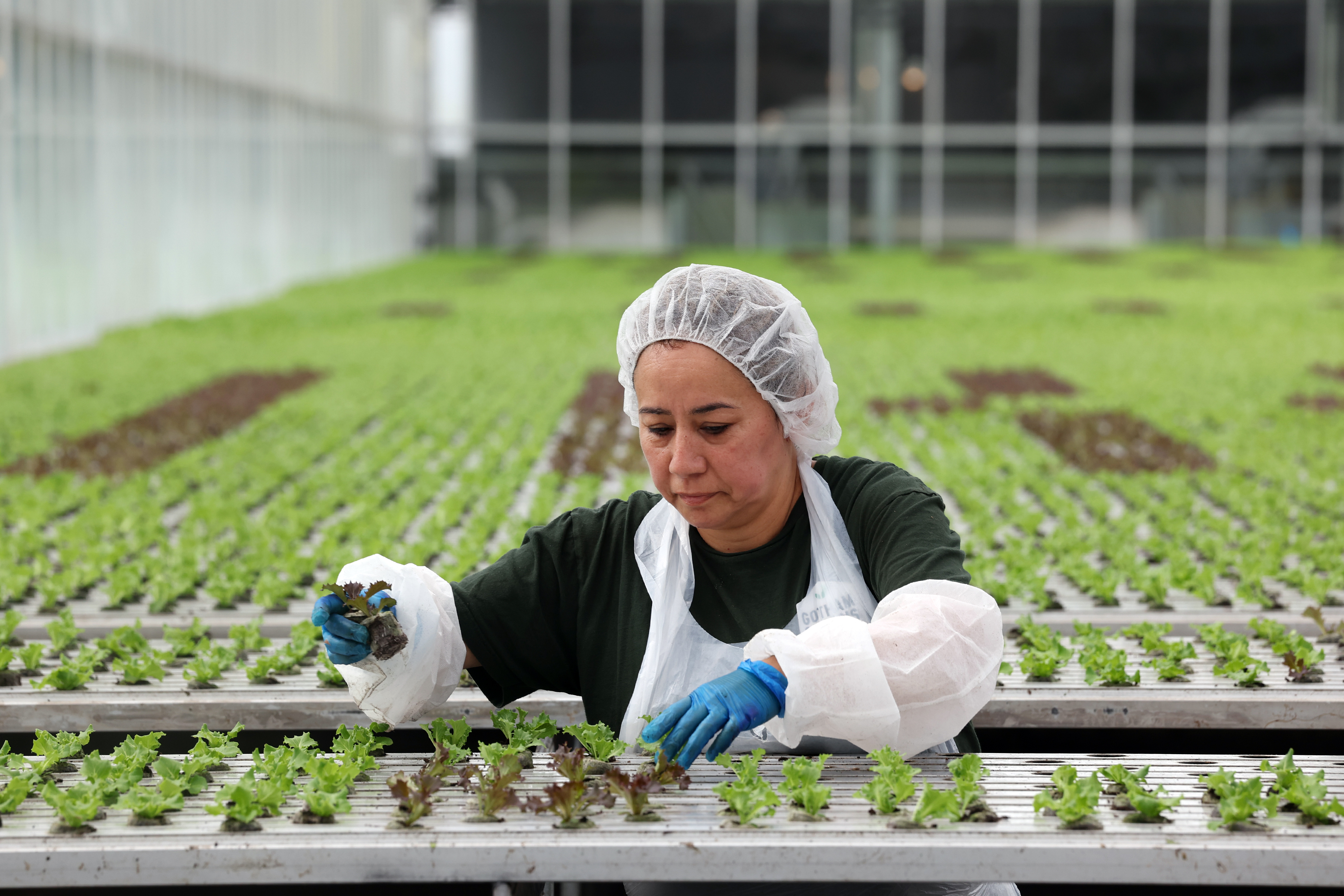
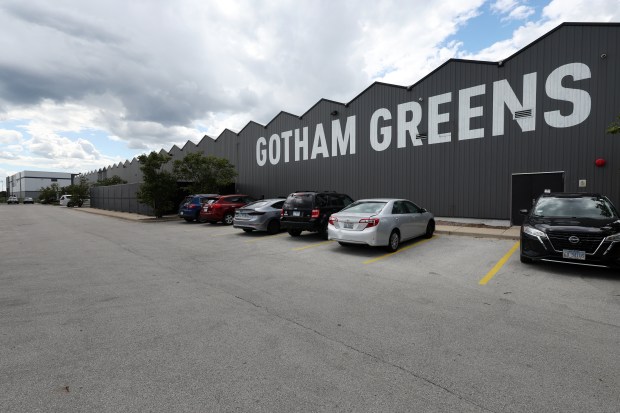
Pullman Park’s Walmart Supercenter opened in 2013. Chicago Neighborhood Initiatives also developed a community recreation center and began organizing to bring in jobs. The Method factory, providing 220 jobs, opened in 2014. A commercial greenhouse was built on its rooftop by Gotham Greens, a New York-based firm that later constructed a larger, freestanding greenhouse nearby.
The rise of online shopping was then helping kick off a boom in product distribution facilities, and the highways crisscrossing Pullman made it the perfect location, said Kyle Schott, vice president of real estate development for Ryan Cos.
“Whole Foods saw the promise, and Amazon then said they wanted to be here as well,” he said.
The companies occupied the first two distribution buildings developed by Ryan in Pullman Park. In 2020 SC Johnson, a distributor of Method products, took over a new 400,000-square-foot building, Ryan’s third and largest for Pullman Park. The company completed several more buildings this year.
“Industrial development like this can really be the tip of the spear when it comes to helping a neighborhood make a turnaround,” Schott said. “It spurs other developers, because the folks working there need to go to the grocery store after work and need places to get lunch.”
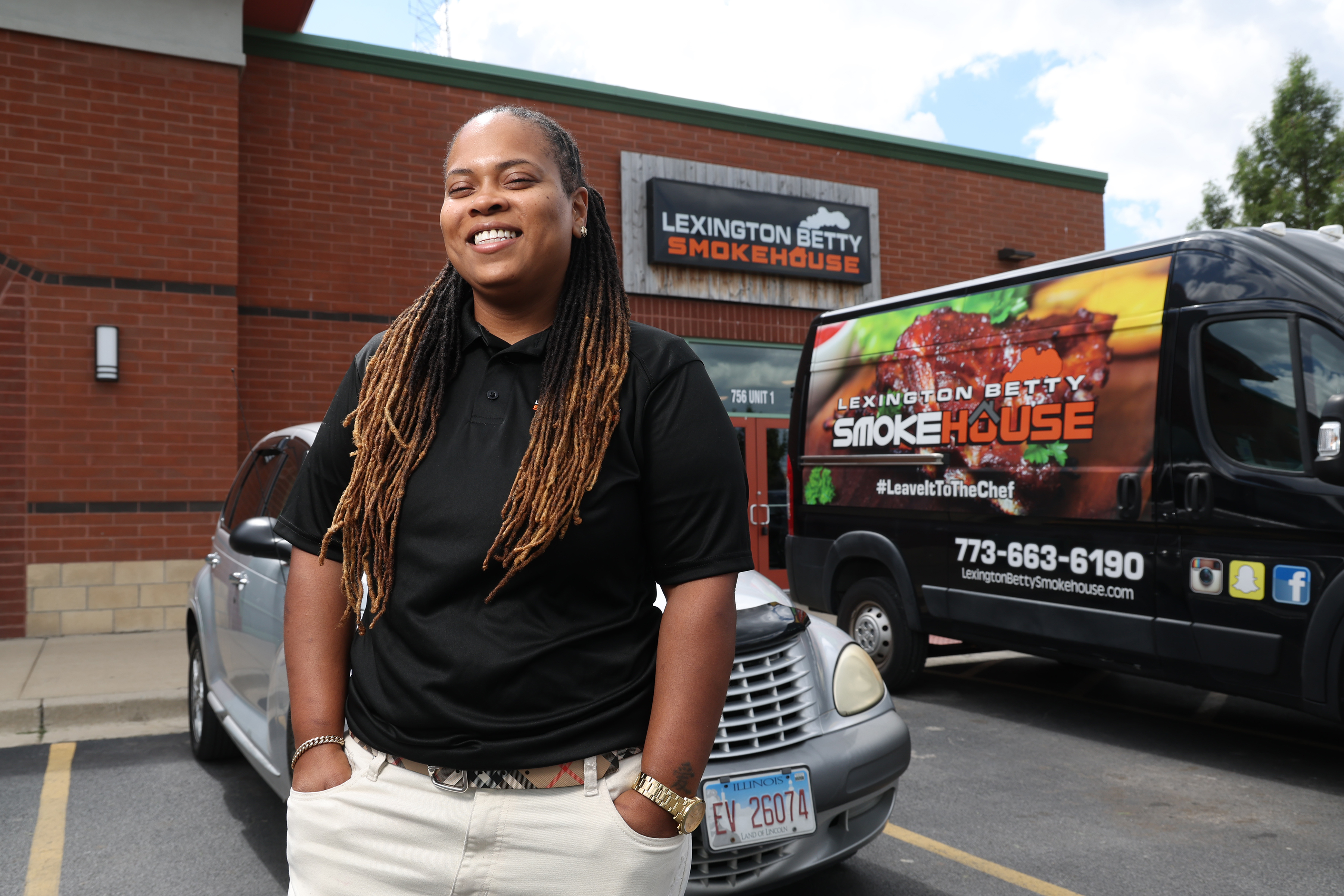

A partnership between Chicago Neighborhood Initiatives and Hope Center Foundation, the philanthropic arm of Salem Baptist Church of Chicago, is developing Pullman Gateway, an 8-acre commercial center near 111th Street and Pullman Park on the former site of an off-track betting parlor. A new Chick-fil-A anchors the development, and construction crews also broke ground on a Dunkin’ and a Jimmy John’s. Other new restaurants in the area include Potbelly Sandwich Shop, Culver’s and Lexington Betty Smokehouse.
Chicago Neighborhood Initiatives is also planning to help restore the landmark Hotel Florence. Closed since 2000, it’s part of Pullman National Historic Park and the centerpiece of the 19th century industrial town created by businessman George Pullman.
But with so much accomplished in Pullman, both Doig and Beale say it’s time to shift focus to Roseland, a neighborhood just to the west also gutted by job loss.
Doig’s group formed a partnership with Far South Community Development Corp. and the Hope Center Foundation, and won city approval earlier this year to create 1Fifteen at Michigan Station, a mixed-use development at 115th Street and Michigan Avenue, a former shopping hub.
Community leaders have even more ambitious plans, backing a proposal by the Roseland Community Medical District Commission for a 480,000-square-foot health care campus at 111th Street and Michigan Avenue. The Chicago Plan Commission approved the plan in 2022, and the state allocated $25 million in seed money.
“We’re restoring hope in our community,” Beale said.