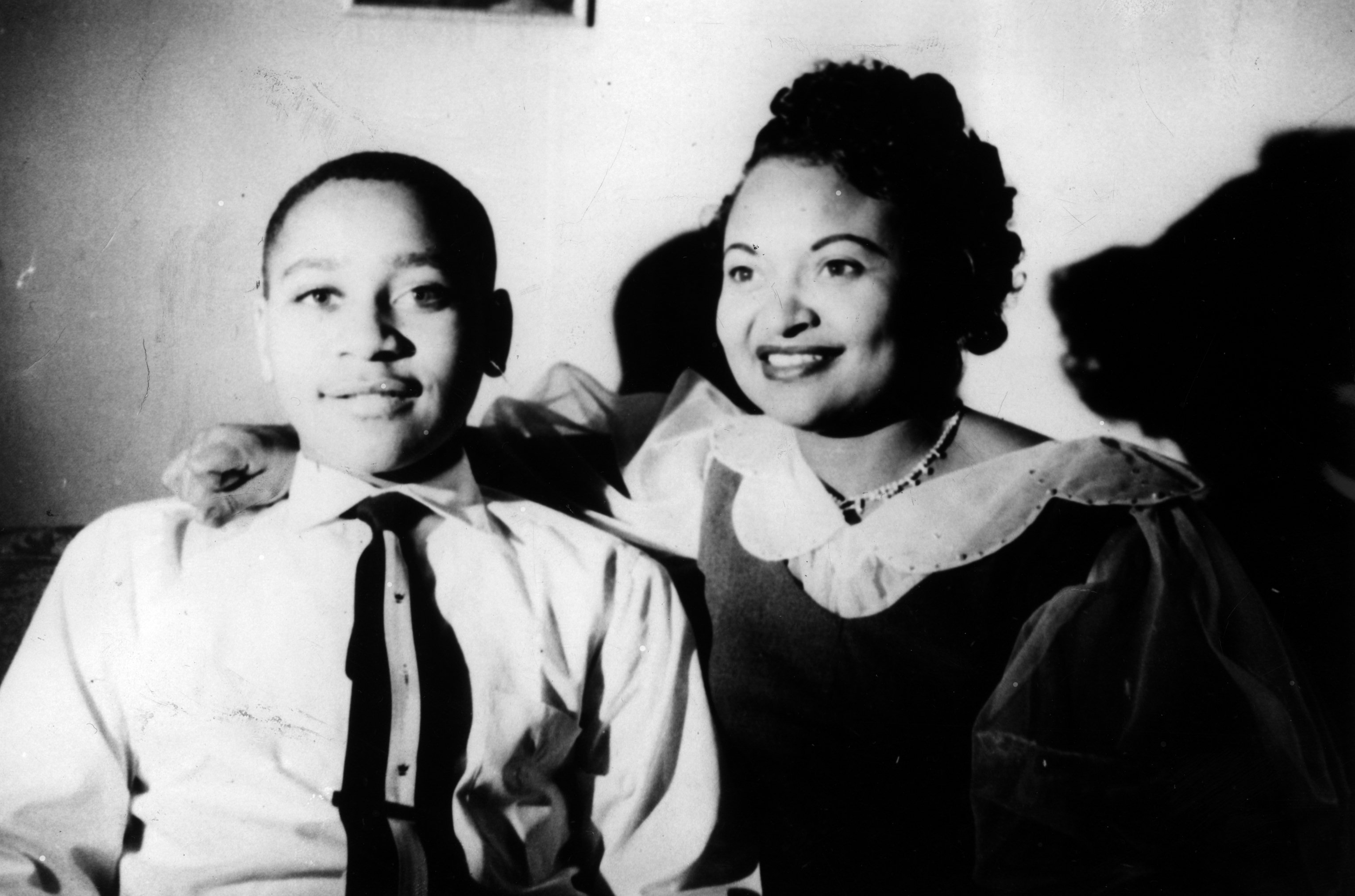





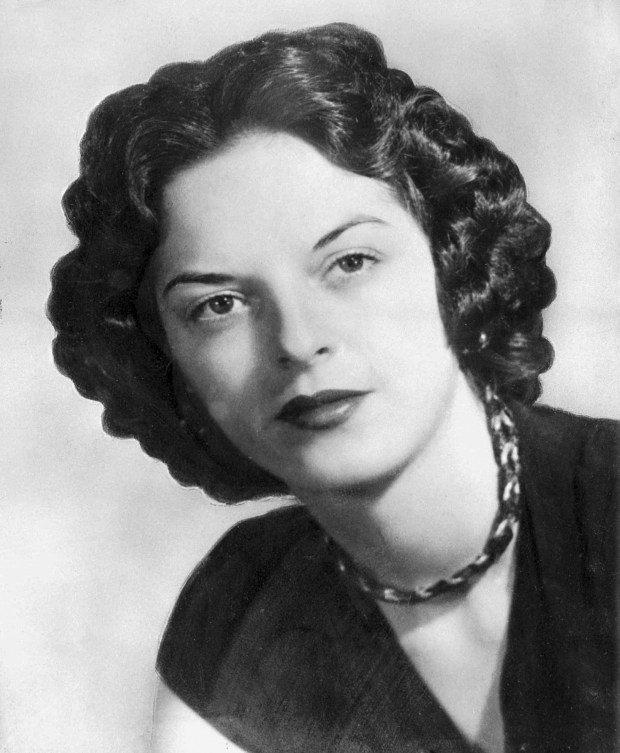








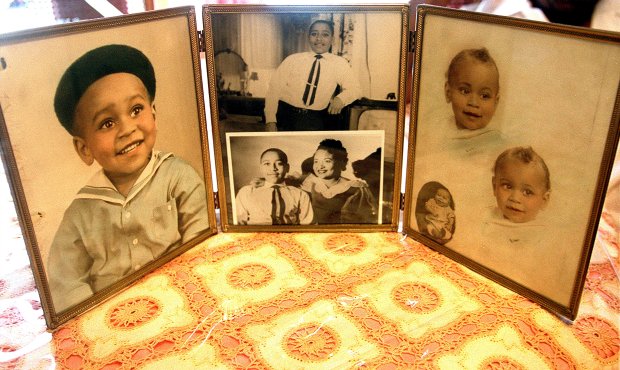








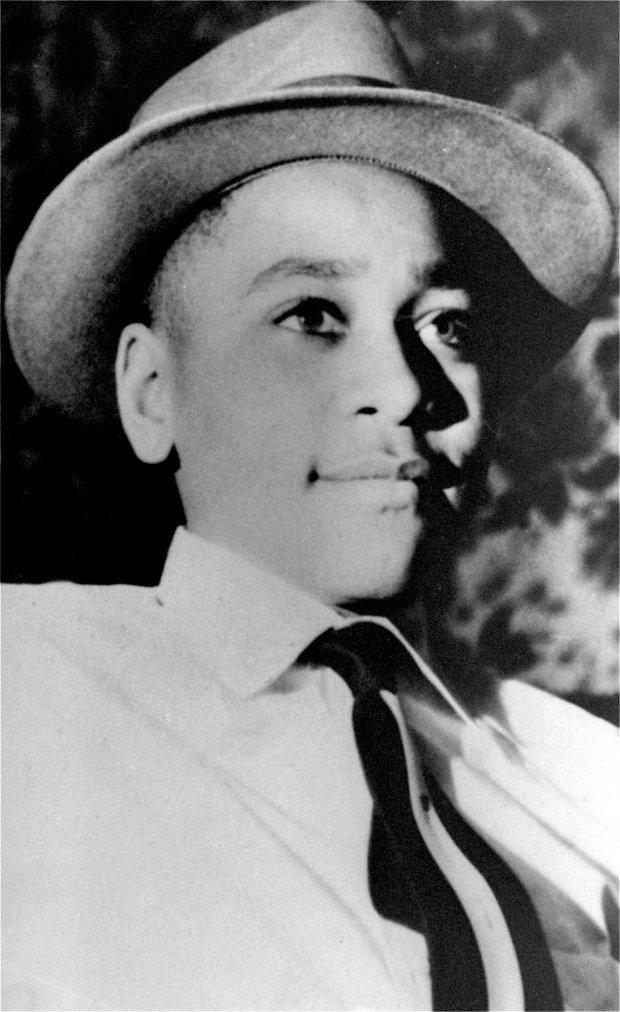
An Aug. 24, 1955, interaction between shopkeeper Carolyn Bryant, a young white mother of two sons, and Emmett Till, a 14-year-old Black boy from Chicago, lasted just minutes and involved 2 cents’ worth of bubble gum at the Bryant Grocery & Meat Market in Money, Mississippi.
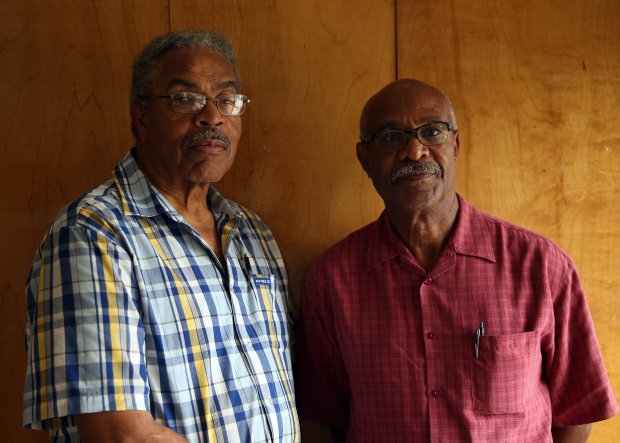
Accounts of what exactly transpired between the two 70 years ago differ widely. Maybe there were words exchanged, or not. There could have been a slight brush of hands, or even a grab around her waist. Till’s family members agreed that Till whistled, as Bryant later testified. Wheeler Parker, then 16, said he and other relatives were waiting for Till outside the store.“Emmett said goodby to the lady. Later on the lady came out and Emmett whistled at her,” he told the Tribune in 1955. “Then one of the other boys said you’d better get out of here. She’s going to get a pistol.”
Till was abducted and killed after the encounter, a shocking event that helped galvanize the civil rights movement. One hundred days later, Till’s death inspired Rosa Parks to remain seated instead of giving up her place to a white man on a Montgomery, Alabama, bus. Parks told the Tribune in 1973 that she did it because she felt the time was right for action.
Eight years to the day after Till was slain, the Rev. Martin Luther King Jr. gave his “I Have a Dream” speech on the steps of the Lincoln Memorial in Washington, D.C.
The legacy of Till’s death has inspired artwork and theater pieces. Till’s name is on a Chicago elementary school and the 71st Street bridge over the Dan Ryan Expressway.
Here’s a look back at Till’s death, the trial that followed the boy’s death and the legacy of his short life.
Warning: Some graphic content follows.
Aug. 28, 1955

Eight days after the 14-year-old boy took the City of New Orleans train from Chicago to stay with his great-uncle Moses Wright and great-aunt Elizabeth Wright in Money, Mississippi, there was a knock at the front door of their cabin. It was 2:30 in the morning.
Moses Wright, a sharecropper of cotton fields and an ordained minister, told the Tribune what happened next:
“I woke up to hear a voice from the porch calling ‘preacher, preacher,'” he said. That’s what they call me around here, I got out of bed and stepped to the porch.
“There was a man right by my bedroom door holding a pistol in one hand and a flashlight in the other. That man was (J.W.) Milam. I could see his bald head. I would know him again anywhere. I’d know him if I met him in Texas.
“There was another man a few feet behind him. That man spoke up and said, ‘I’m Roy Bryant,’ and he didn’t say another word the rest of the time he was in the house. I didn’t get a good look at him. Back behind him was a third man, standing by the porch door. He was covering his face with his hands, like he didn’t want me to see him, and I didn’t see him to recognize him.
“Milam said to me they had come for that boy from Chicago and told me to lead them to him. I walked into the bedroom where (grandson Wheeler) Parker and (nephew Vogtis) Jones were sleeping, and thru that into the vacant room, and finally to the room where Till was. They followed me. Milam’s flashlight was the only light.

“I shook Till and when he waked up I heard Milam say, ‘Are you the boy who was over in Bryant’s grocery?’ and Till rubbed his eyes and said ‘yes.'”
Milam became angry because the answer had not been “yes, sir,” Wright said. He quoted Milam as shouting to Till: “Don’t say yes to me or I’ll knock the hell out of you.”
Wright recalled that Milam also exclaimed, while in Till’s bedroom, “This was my sister-in-law, and I’m not going to stand for it.”
The two kidnappers herded the sleepy, half-dressed boy out of the house by way of the bedroom where Mrs. Wright cowered under the covers. Wright followed along behind them.
“I heard them call out to someone in a car, ‘Is this the boy?'” Wright said. “I heard an answer. It was ‘yes.’ The voice was soft. I thought maybe it was a woman’s voice. I couldn’t see anyone. It was dark. But there was a fourth person in the car.”
It was the last time his family saw Till alive.

“When I heard the men at the door, I ran to Emmett’s room and tried to wake him so I could get him out the back door into the cotton field,” Elizabeth Wright told the Tribune. “But they were already in the front door before I could shake him awake.”
She said she was ordered by the men to get back in bed and “keep your yap shut” as she returned to her room.
Curtis Jones, a Crane Tech senior and second cousin of Till’s, recalled Moses Wright making a futile plea with the kidnappers to only whip Till.
“My grandfather told them that (Till) didn’t have good sense because he had polio when he was 3 years old and that his mind and speech had been affected,” Jones said.
The abduction made the front page of the next morning’s Tribune under the headline, “Fear Chicago Boy Kidnaped.”
Leflore County Deputy Sheriff John Ed Cothran said Roy Bryant admitted he “took the boy to his store, talked to him, and then let him go.” Bryant was held at the county jail for more questioning.
Aug. 31, 1955

Till’s body was discovered by a fisherman and recovered from the Tallahatchie River near Pecan Point, which was about 12 miles north of Money.
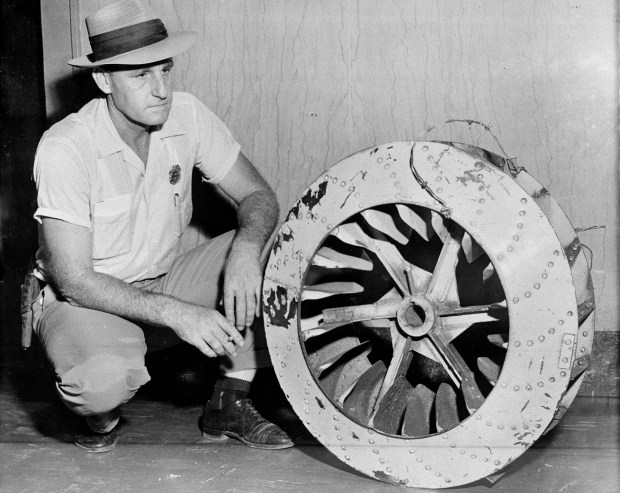
“Till had been shot in the head and severely beaten,” the Tribune reported. “The body was weighed down with a gin pulley, a cast iron wheel used to operate a cotton gin. The wheel, approximately a foot and a half in diameter, weighed 150 to 200 pounds. It was attached to the boy’s body with barbed wire wrapped around his waist.”
Undertaker Simon Garrett told the Tribune in 1995 about picking up Till’s body.
“We put it in a couple of body bags because it was so decomposed. I went and took the gin pulley from around his neck, and loaded the corpse in the back of the deputy sheriff’s car,” Garrett said.
Till’s body, he said, was taken to Clarksdale the next day and shipped to Chicago by train.
Mamie Till-Mobley, the boy’s mother, who was then known as Mamie Till Bradley, met the box holding his remains in Chicago.
“Oh God, when I saw that,” she told the Tribune in 1995. “His mouth was open; you could see the few teeth that were left. His left eye was gone, and the right eye was lying down on his cheek. His nose was just all busted up; his head was gapped open, and he had been shot through the left side and I could look in and see daylight on right side. And I asked, ‘My God, what is this. It looks like something from outer space.’
“I didn’t want that body. That couldn’t be mine. But I stared at his feet and I could identify his ankles. I said, those are my ankles. Those are my knees. I knew the knees, and I stopped at the middle section, and I just sort of unconsciously noted that there was no mutilation, and that was so important, because later they said that he had been castrated. But he had not.

“And then I began to come on up and I didn’t stop then until I got to this chin and mouth. I said the few teeth that are left, those were Emmett’s teeth, and I was looking for his ear. You notice how mine sort of curls up and is not attached to the face, Emmett had the same ears. I could use that for a clue. But the one eye that was left, that was definitely his eye, the (hazel) color confirmed that, and I had to admit that was indeed Emmett, I said that is my son. This is BoBo.”
Chicago Mayor Richard J. Daley telegraphed President Dwight Eisenhower that “the people of Chicago have been gravely shocked at the brutal murder … I strongly urge that all the facilities of the federal government be immediately utilized so that the ends of justice may be served.”
Mississippi Gov. Hugh White called Till’s death “a straight out murder” and “not a lynching.”
Roy Bryant and Milam were jailed in Greenwood, Mississippi, for kidnapping Till and expected to be charged with murder. A local official identified only as “McCool” in the Tribune concluded the two men were the only ones involved.
“I think you’re making a big to-do about this,” McCool told a reporter seeking to learn routine facts about the case.
The Tribune reported: “An additional charge of kidnaping was issued today for Mrs. (Carolyn) Bryant but sheriff’s deputies said she could not be located at her home.”
Sept. 2-3, 1955

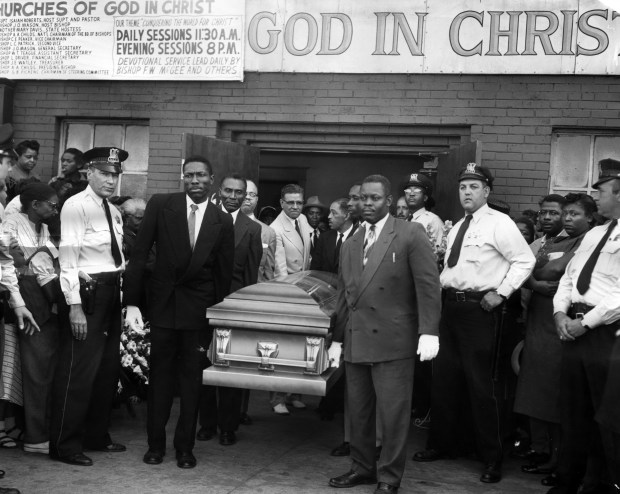
More than 5,000 people viewed Till’s body at A.A. Rayner & Sons Funeral Home, 4141 S. Cottage Grove Ave.
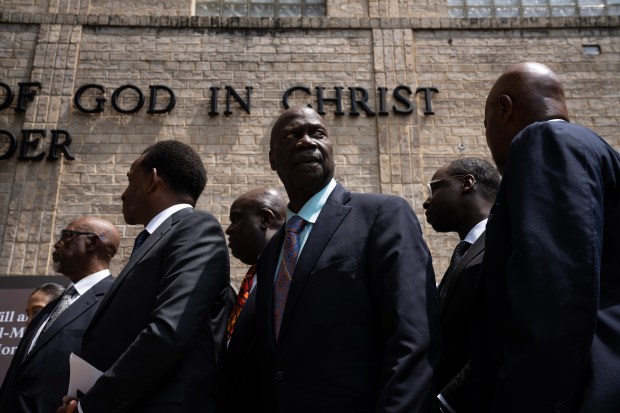
A memorial for Till at Roberts Temple of the Church of God in Christ, 4021 S. State St., the next day was visited by more than 40,000 people, the Tribune estimated.
“Mrs. Bradley asked the Tribune to thank thousands of persons who had sent messages of condolence to her,” the paper reported.
She postponed Till’s burial to allow “more persons an opportunity to view the body.”

Everyone who passed the glass-topped casket could see the poor condition of the young man’s body, but officials in Mississippi said they didn’t think it was Till’s.
“I positively say it is my son lying there in the church,” Till’s mother told the Tribune. “If the state of Mississippi says he is not my boy, the burden of proof rests upon that state.”
A sermon delivered by a former Third Ward alderman, the Rev. Archibald Carey, said there had been “a surge for revenge, but it is not for us to take the law into our own hands.” He termed the slaying a “brutal and cruel thing” but said two wrongs do not make a right.
Sept. 6, 1955

Till was buried in Burr Oak Cemetery in Alsip.
Sept. 19-23, 1955

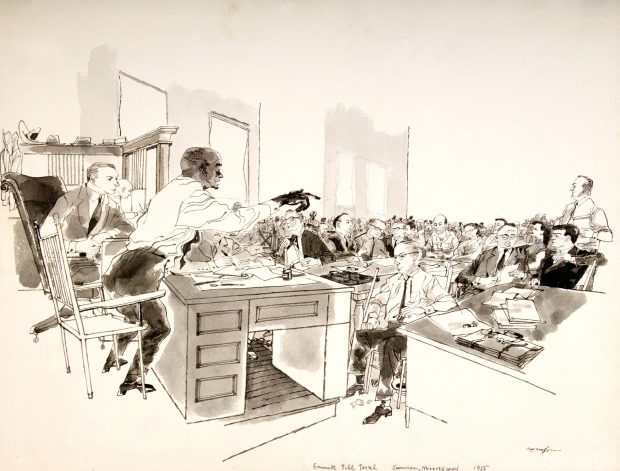
“Sumner, Miss., Sept. 17 — Here in a rich cotton county of the Mississippi delta region, where not one of the county’s 19,000 Negroes is registered to vote, two white men charged with the murder of a Chicago Negro boy, will go on trial Monday before an all-male, all-white jury,” Tribune reporter Paul Holmes wrote below the headline, “A Way of Life Going on Trial in Till Case.”
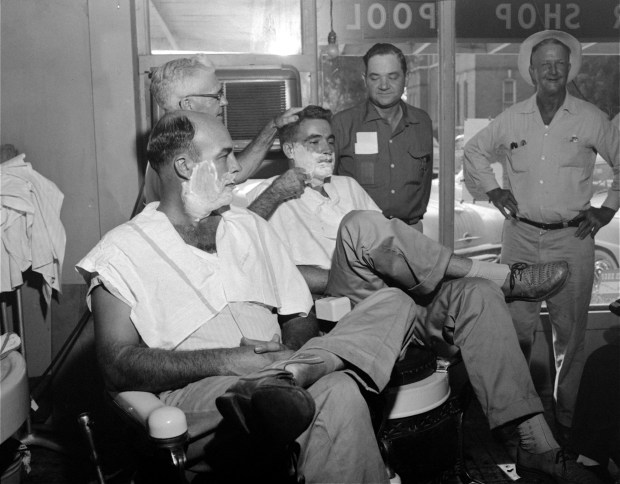
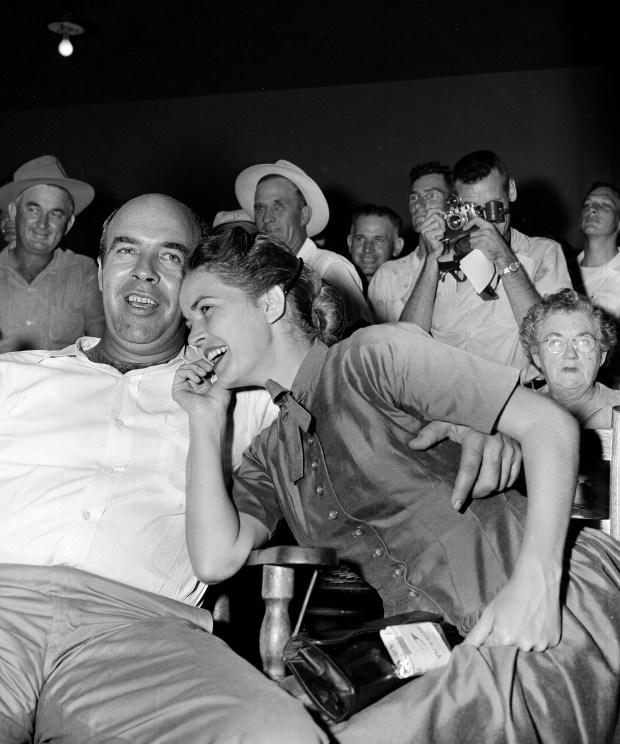
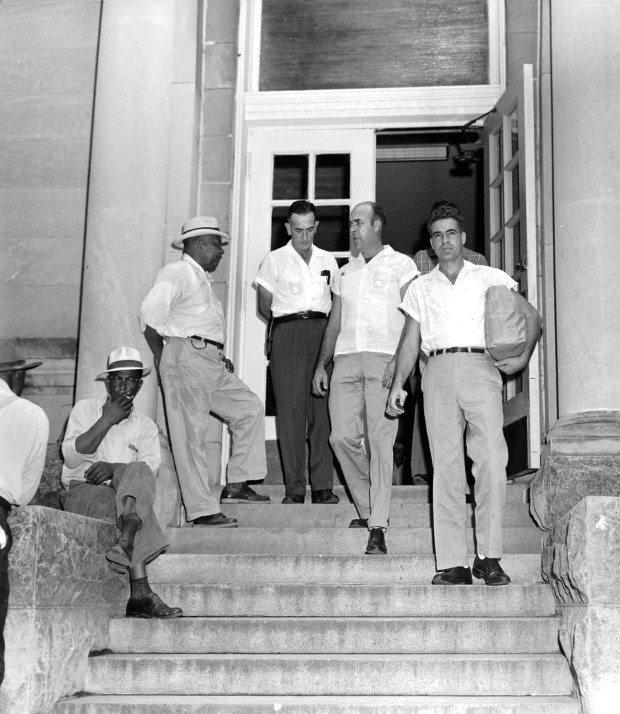
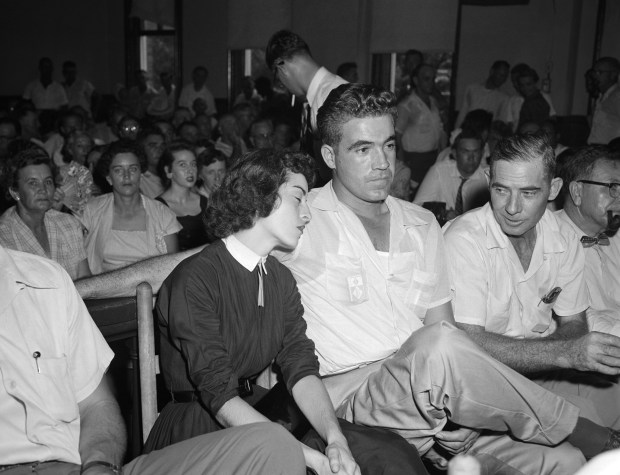
Half-brothers Roy Bryant and J.W. Milam were to stand trial in Tallahatchie County. They had been indicted by a grand jury on Sept. 5, 1955, and held in jail in Charleston, the county seat. Though a warrant had been issued for Carolyn Bryant, it was not served. A pretrial interview with the men “professed regret at their temporary confinement at a time (the shopkeepers) could be earning good money. The cotton harvest is under way and many persons without cash much of the rest of the year have it now and are spending it,” Holmes reported.
Three Black witnesses placed the scene of torture and probable slaying of Till inside a red barn in a nearby county where they heard cries of terror at an hour that contradicted reported admissions by Roy Bryant and Milam that they had kidnapped Till but let him go.
Carolyn Bryant took the stand — in the absence of the jury — and said Till had tussled with her while making indecent proposals. She claimed Till grabbed her hand and murmured, “How about a date, baby?” She said Till used a word she could not repeat and assured her she did not have to be afraid of him. She said she then went to her car in the front of the store and grabbed a pistol. That’s when she heard Till whistle at her, she said.

Later known as Carolyn Donham, Carolyn Bryant acknowledged in a book released in 2017 that she had falsely testified that Till made physical and verbal threats against her.
A handful of local officials — including Tallahatchie County Sheriff H.C. Strider, who was described by the Tribune as a “wealthy planter” — testified the body couldn’t have been Till’s. (More testimony from the trial is available at vault.fbi.gov.)
Till’s mother testified — without the jury present — that she had warned her son before his trip to Mississippi to say “Sir” to white people.

The jury — refusing to believe the body found in the Tallahatchie River was Till’s — found Roy Bryant and Milam not guilty after just more than an hour of deliberation on Sept. 23, 1955.
There was a delay of a few minutes in getting the verdict recorded because the jury first brought in a sheet of paper on which the words “not guilty” had been scrawled. The judge declared the verdict “incomplete” and sent the jury back with instructions to add enough words to describe the finding as that of a duly empaneled jury since state law dictated jurors must write verdicts in their own handwriting, getting no forms to assist them.

Jury foreman J.A. Shaw Jr. — a farmer who lived near the Bryant family — said: “We had a picture of the body with us in the jury room and it seemed to us the body was so badly decomposed it could not be identified.”
When Shaw was asked whether the jury had been impressed by the testimony of Till’s mother — who as a witness was not in court when the verdict was read — he said: “If she had tried a little harder she might have got out a tear.”
The Tribune reported: “The village of 550 population took the verdict calmly. There was no cheering or applause in the courtroom.”

Jurors — who were paid $5 per day for their service — left the courtroom after receiving a few slaps on the back; exclamations of “good work” and “nice going” were heard.
Jan. 24, 1956

Roy Bryant and Milam — who could not be tried again for murder — confessed to killing Till in an issue of Look magazine. Both men were paid by the author, William Bradford Huie, to tell their stories.
1973

Till’s mother turned her grief into 40 years of effort devoted to working with children in Christian activities. She remarried in 1957, to Gene Mobley.
For much of her life, she was an elementary school teacher in the Chicago Public Schools, and in 1973 she created the Emmett Till Players to tour the United States and recite speeches by Rev. Martin Luther King Jr., whose logic and turns of phrase she adored.
July 25, 1991

On what would have been Till’s 50th birthday, part of 71st Street from Stony Island to Kedzie in Marquette Park was renamed Emmett Till Road with Mayor Richard M. Daley, Parks and Till’s mother in attendance.
Till-Mobley died in 2003.
“She was so amazingly articulate and eloquent,” Rev. Jesse L. Jackson said after her death. “She was a teacher, and she thought methodically and scientifically. She had a sharp mind and a compassionate heart. And she really sensed the place of her son in American history and her responsibility to keep that legacy alive.”
June 1, 2005

After the FBI reopened its investigation of Till’s murder, his body was exhumed to confirm his identity and cause of death. No autopsy was performed on Till prior to his burial almost 50 years earlier.
Almost three months later, the well-preserved remains were positively identified as Till’s.
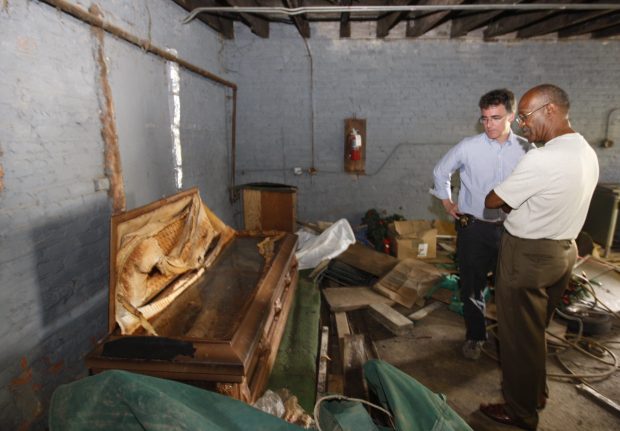
Till’s glass-topped casket was discovered in a storage shed as part of a 2009 investigation into Burr Oak Cemetery following years of complaints of its neglect by its Tucson, Arizona-based owners. The casket was donated to the Smithsonian’s National Museum of African American History and Culture, where it is displayed as part of the “Defending Freedom, Defining Freedom” exhibition.
Jan. 27, 2021

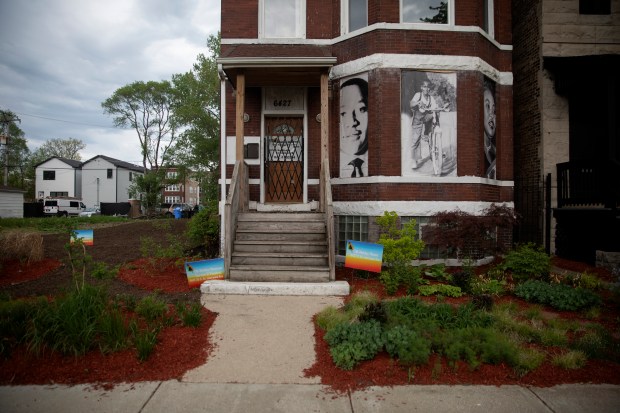
The home at 6427 S. St. Lawrence Ave. in Woodlawn where Till and his mother lived was granted landmark status by the City Council as a group seeks to turn it into a museum.
A cultural preservation organization gave the project a grant in 2022.
March 29, 2022

President Joe Biden signed the Emmett Till Anti-Lynching Act, which was authored by Illinois U.S. Rep. Bobby Rush. The legislation states a crime can be prosecuted as a lynching when a conspiracy to commit a hate crime results in death or serious bodily injury.
June 2022

A team from the Emmett Till Legacy Foundation and two Till relatives searching a Mississippi courthouse basement for evidence about Till’s death found the unserved warrant charging Carolyn Bryant Donham — identified as “Mrs. Roy Bryant” on the document — in Till’s kidnapping.
The arrest warrant against Donham was publicized in 1955, but the Leflore County sheriff told reporters he did not want to “bother” the woman since she had two young children to care for.
In July 2022, the office of Mississippi Attorney General Lynn Fitch said there was no new evidence to pursue a criminal case against Donham. The FBI closed its investigation in December 2021. In August 2022, a district attorney said a Leflore County grand jury had declined to indict Donham.
That made the arrest warrant moot, according to Leflore County Sheriff Ricky Banks. Donham died in 2023.
July 25, 2023

Biden established the Emmett Till and Mamie Till-Mobley National Monument with sites in Mississippi and Illinois.
Roberts Temple Church of God in Christ in Bronzeville, the location of Till’s funeral where thousands traveled to mourn, is the Illinois site. The National Trust for Historic Preservation added the Chicago church to its list of the nation’s most endangered historic places in 2020 because of its “severe structural issues.”
Want more vintage Chicago?
- Become a Tribune subscriber: It’s just $1 for a 1-year digital subscription.
Thanks for reading!
Subscribe to the free Vintage Chicago Tribune newsletter, join our Chicagoland history Facebook group, stay current with Today in Chicago History and follow us on Instagram for more from Chicago’s past.
Have an idea for Vintage Chicago Tribune? Share it with Kori Rumore at krumore@chicagotribune.com.