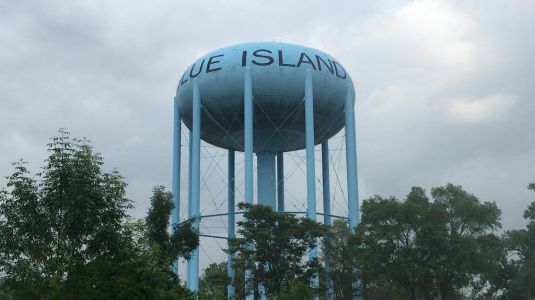

After distributing test kits to 60 randomly selected households in mid-June as part of a project aiming to replace all lead water lines, Blue Island officials say the results found no immediate concern, though they plan to conduct additional tests.
City Administrator Thomas Wogan said the results met the Environmental Protection Agency’s 90th percentile value, which means lead in the drinking water samples did not exceed 15 parts per billion, comparable to adding 15 drops of a substance to a 10,000-gallon swimming pool, in at least 90% of the homes sampled.
Wogan also said no individual homes that were tested met the 90th percentile. He said in June the city would immediately notify any homes that had a high concentration of lead in their sampled drinking water.
Because no homes met the 90th percentile, officials will not take immediate action following the results, but Wogan said officials plan to conduct additional water sampling tests as required by IEPA and EPA as part of copmleting a water service line material inventory.
He said the next step will be using this inventory to develop a replacement plan.
According to an April inventory report, the city has 529 water service lines that contain lead, out of the 5,433 total water service lines.
Blue Island was awarded a $5 million loan, with $2 million it doesn’t have to pay back, to replace 300 lead lines through a state program launched in January 2024, but Wogan said Tuesday there is not nearly enough funding for all the communities that need to replace all of the lead service lines.
The final inventory document will help inform which lead lines to prioritize for replacement, Wogan said.
When prioritizing these lead lines, federal guidelines require the first priorities for replacements at schools, day care centers, nursing homes, medical facilities and similarly classified facilities.
Wogan said once the city finalizes the inventory and makes a replacement plan, officials will make efforts to get state or federal funds to execute the replacement plan.
He also said that the city is constantly updating its water service line material inventory to plan for replacements as funding becomes available.
Several other south and southwest suburbs, such as Homewood, were also awarded millions in loans to replace lead water service lines under the new state budget effective July 1. These loans have no interest and a term of at least 30 years.
awright@chicagotribune.com