










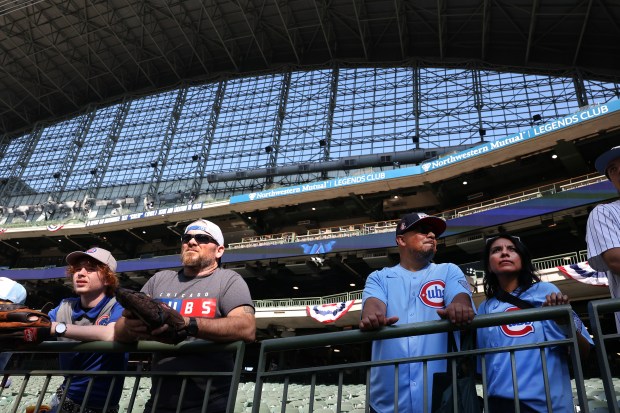


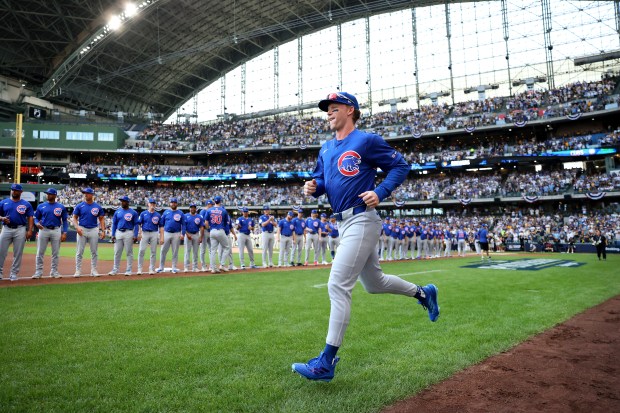


MILWAUKEE — For roughly 15 minutes Saturday afternoon at American Family Field, the Chicago Cubs put a damper on the electric vibes.
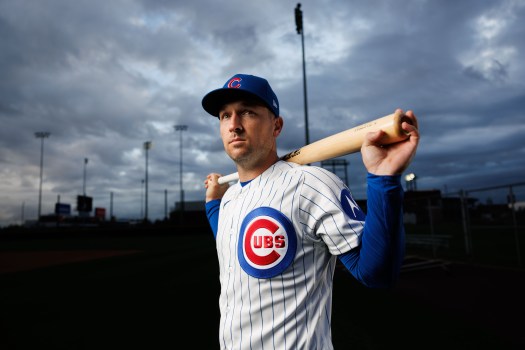
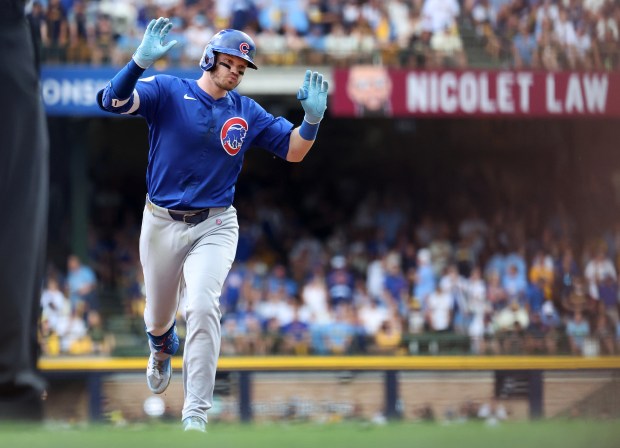
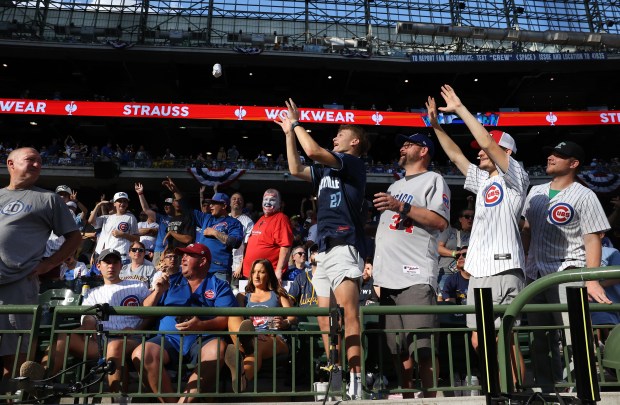
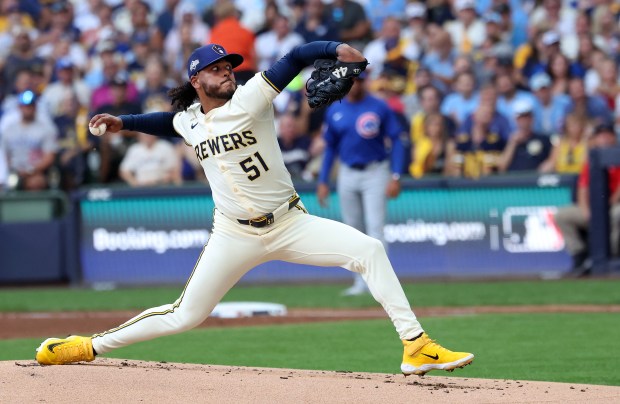
Michael Busch’s sixth leadoff home run this year gave the Cubs a quick lead against the Milwaukee Brewers and right-hander Freddy Peralta. The faction of Cubs fans among the crowd of 42,678 made themselves heard.
If only the game ended after the top of the first inning.
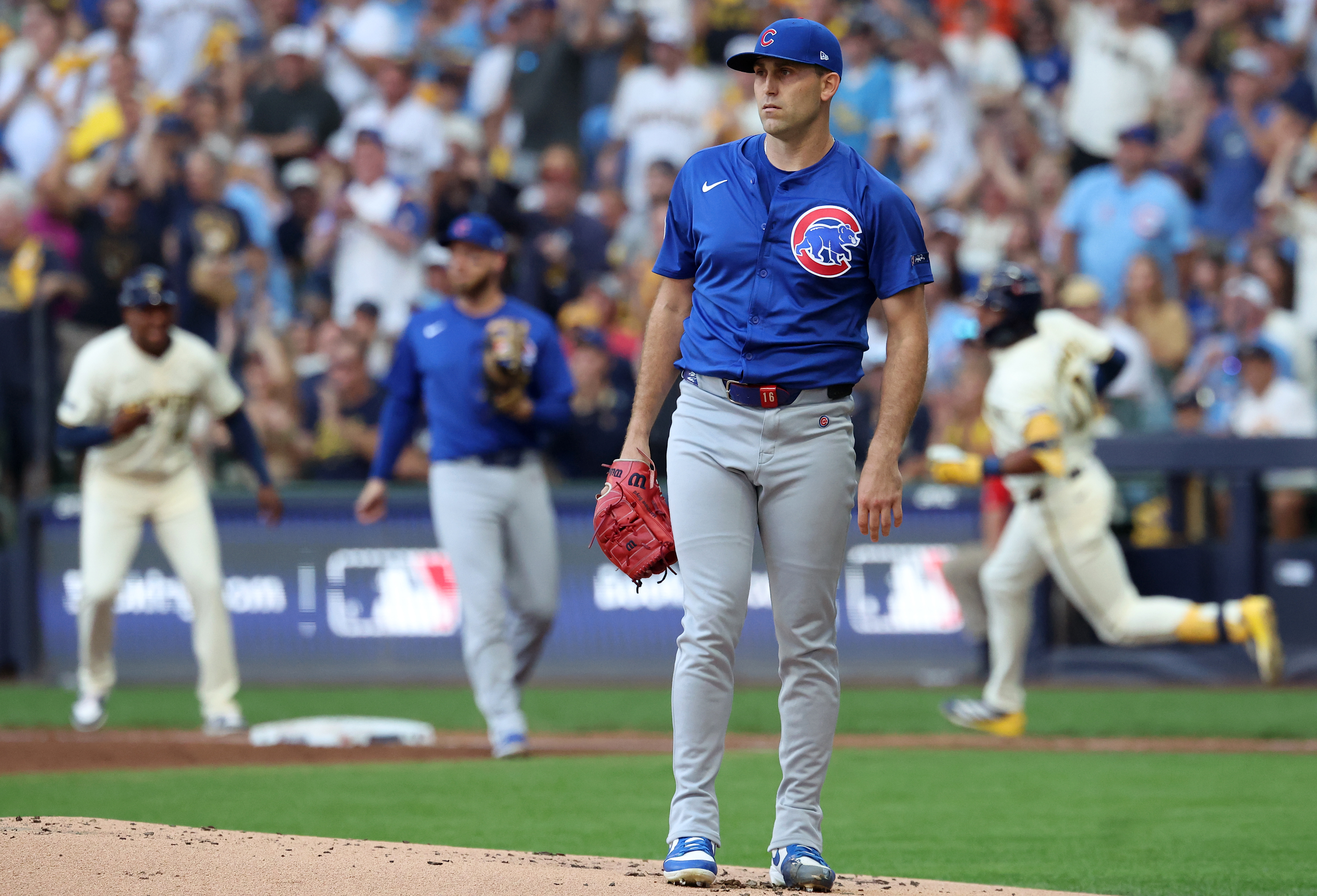
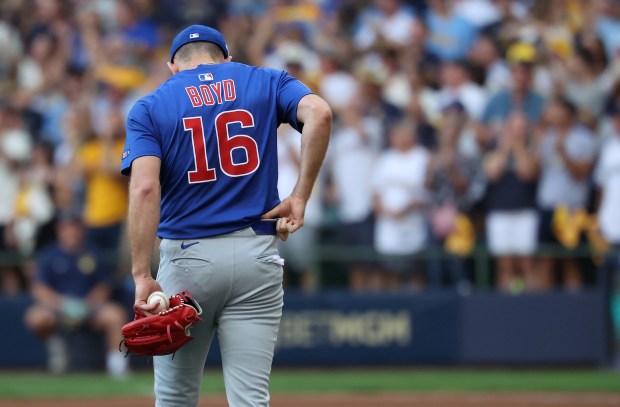
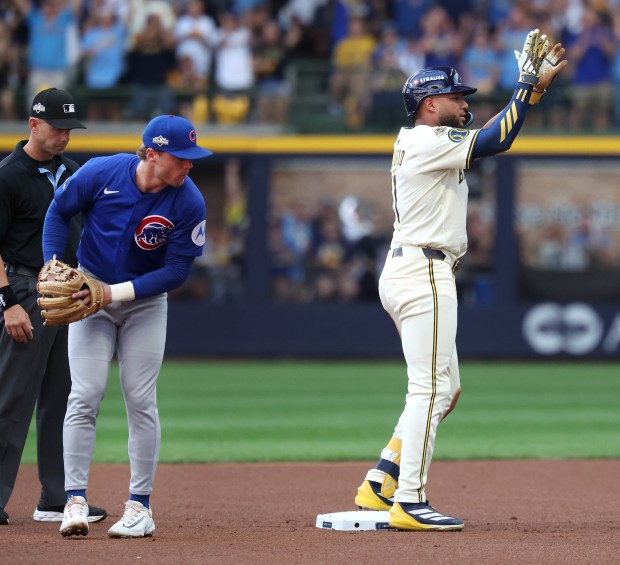
The Brewers blitzed left-hander Matthew Boyd for six runs in the bottom of the frame — hurt by an uncharacteristic fielding error by second baseman Nico Hoerner leading to four unearned runs — and ended his day after the veteran recorded only two outs. The Brewers tacked on three more runs in the second, and the Cubs couldn’t recover in a 9-3 loss in Game 1 of the National League Division Series.
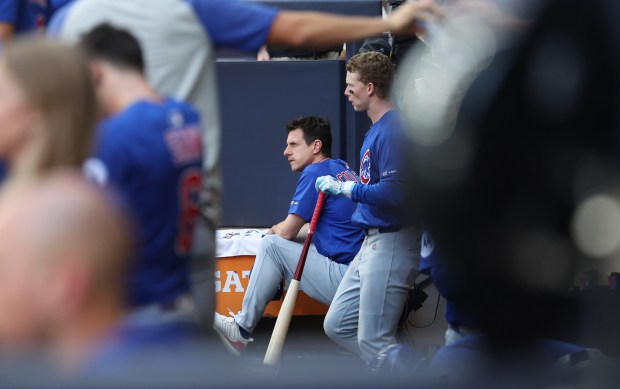
“We made it harder for ourselves,” manager Craig Counsell said. “We’ve got to win three out of four now, they’ve got to win two out of four. Other than that, we’ve got to do more. We pitched well for the last six innings. We didn’t pitch well early. That’s it.”
Counsell felt comfortable turning to Boyd for the series-opening start because he had only thrown 58 pitches in his start Tuesday. Still, Counsell’s decision showed a lot of trust in Boyd, coming off his most regular-season innings since 2019 and not looking as crisp late in the season. Brewers manager Pat Murphy said before the game they had been preparing for the Cubs to start either Javier Assad, who ended up not being included on the roster, Colin Rea or Boyd on Saturday before learning late Friday that they had opted for Boyd.
Counsell’s pregame explanation for giving the ball to Boyd on Saturday inevitably again opened himself to being second guessed if the outing went poorly, particularly with how pitchers often don’t do well throwing with less rest. When that general track record was noted in a question at the end of Counsell’s postgame news conference, he sounded exasperated.
“I mean, we picked Matt Boyd to pitch, I don’t know what to say,” Counsell said. “He pitched, it didn’t go well. We’ve got to make decisions. We went with Matt. I was very comfortable putting Matt Boyd on the mound today. The whole organization was comfortable putting Matt Boyd on the mound today.”
The 34-year-old lefty entered Game 1 having pitched on three days’ rest three other times in his career. In those starts, Boyd posted a 4.70 ERA (eight earned runs in 15 1/3 innings) and 1.304 WHIP.
Boyd produced the fourth postseason start of the less than one inning in Cubs history, all occurring before Major League Baseball had playoff rounds: Hank Borowy, who didn’t get an out in Game 7 of the 1945 World Series, Charlie Root, who also failed to record an out in Game 2 of the 1935 World Series, and Guy Bush, who exited with an injury after getting one out in Game 4 of the 1932 World Series.

Boyd didn’t think pitching on shorter rest had an impact on how his start played out.
“I mean, put a few more inches one way and that’s just the nature of it, you know?” Boyd said. “They just stacked them up and that’s all me. They had a good approach, and I’ll be ready for the next one.”
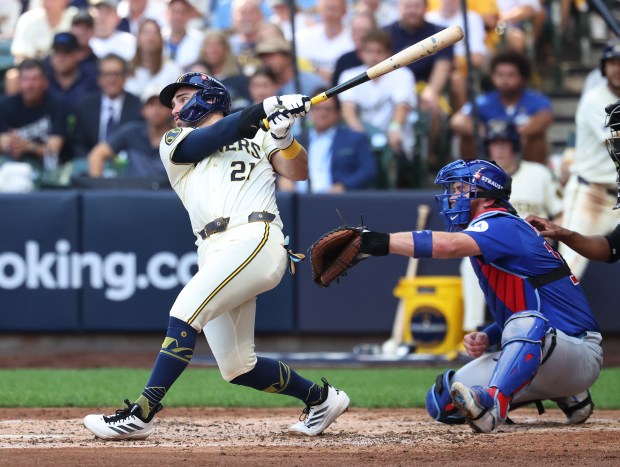
Boyd left too many hittable pitches belt high and paid for it. He gave up three consecutive doubles on three straight pitches as the Brewers immediately erased the Cubs’ lead to go ahead. They ultimately sent 11 batters to the plate in the first and knocked Boyd out of the game following Blake Perkins winning an 11-pitch at-bat that ended with an RBI single for a 4-1 lead.
“You never know what run is going to win or lose a ballgame, so you just keep going,” Boyd said. “It’s unfortunate it was such a big inning, that was the difference in the game.”

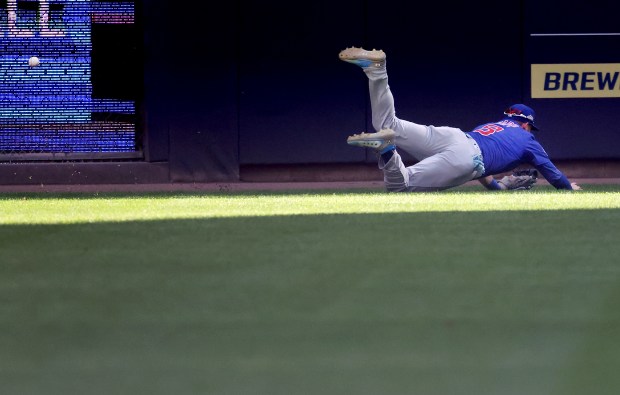
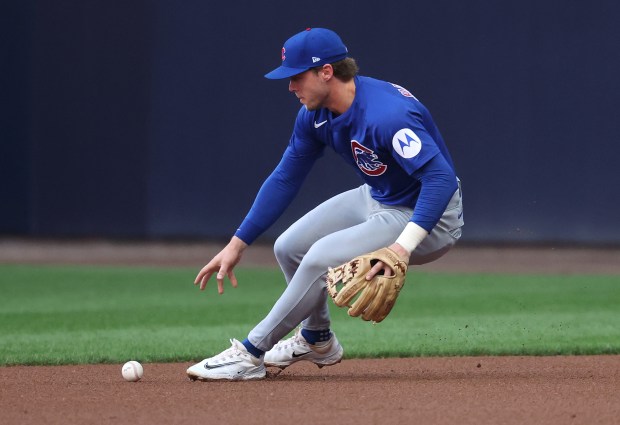
The typically sure-handed Hoerner’s botching of fielding Sal Frelick’s softly hit grounder set up the Brewers to deliver the early blow. The Brewers’ ability to pile on in that situation had the ballpark rocking and the Cubs reeling. Murphy called Hoerner’s error “a stroke of luck or an aberration” for the former Gold Glove Award winner because he doesn’t make many mistakes like that.
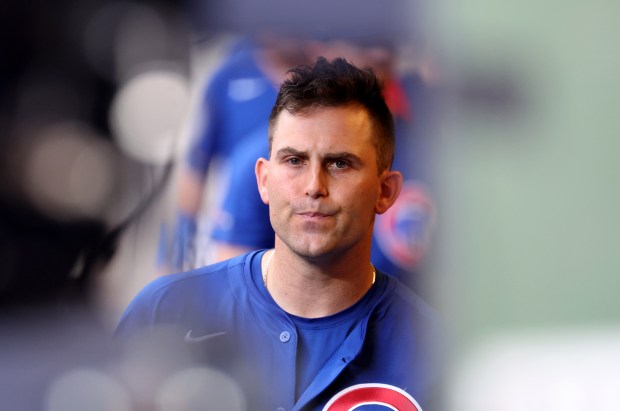
“It’s hard to predict win or loss based on plays in the first inning, just get an out like you do most of the time in that situation on the play that I missed, and I love Matty’s chances of getting out of that inning with two runs and settle in like we’ve seen him do so many times this year,” said Hoerner, who committed only four errors in the regular season. “Obviously that play had, not just win-and-loss implications, but just the entire use of the pitching staff and everything like that had a huge effect on that game and momentum.”
Michael Soroka didn’t fare much better in relief of Boyd, allowing seven of the 10 batters he faced to reach while allowing three runs in the second as the Brewers put the Cubs in a 9-1 hole.
The Brewers’ relentless lineup saw Jackson Chourio record three hits in the first two innings before every Cub had even recorded his first plate appearance. In a potentially concerning development for the Brewers, Chourio exited the game after his second-inning single because of right hamstring tightness.
By the end of the second, the Cubs would need to figure out how to cover 18 more outs and keep the bullpen intact even with Sunday’s looming off day. Counsell acknowledged before the game that the bullpen was still feeling its usage playing three consecutive days in the wild-card series. The Brewers bats were quieted over the final six innings, producing only three hits in that span off former Brewers starter Aaron Civale and Ben Brown. Civale tossed 4 1/3 scoreless innings, the longest such outing in the postseason in Cubs history.
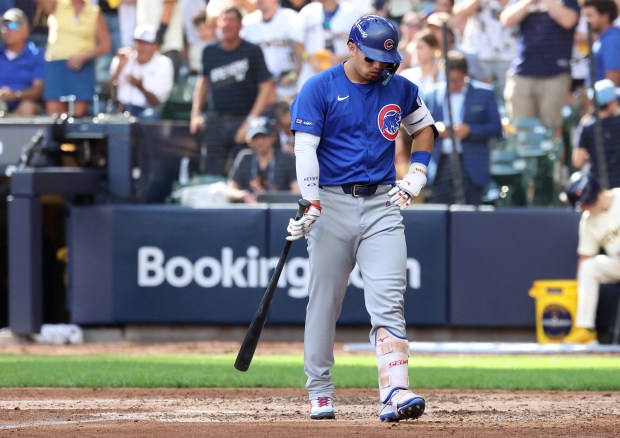
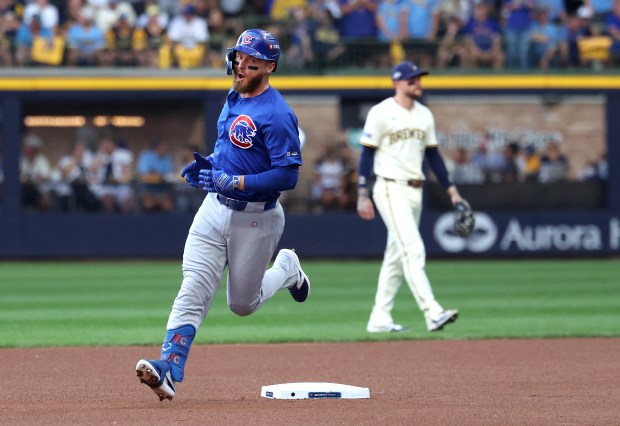
Solo home runs in the sixth and eighth innings by Ian Happ and Hoerner stood as the Cubs’ only other runs. Three of their six hits in the loss came on home runs. Going deep three times in a game usually translates to a win. But Saturday represented the third time in franchise history the Cubs lost a postseason game when hitting at least three home runs. The two previous times occurred in Games 1 and 7 of the 2003 NLCS against the Marlins.
The nine runs the Cubs allowed marked one of their worst performances in a postseason game. Since 1945, the Cubs have surrendered more runs in the playoffs just twice: Game 5 of the 2017 NLCS against the Los Angeles Dodgers (11) and Game 2 of the 2008 NLDS against the Dodgers (10 runs).
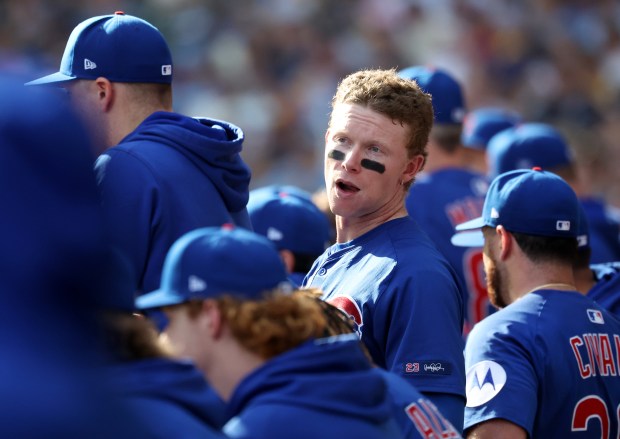
Despite how the ugly first two innings played out for the Cubs, they are focusing on the big picture. The best-of-five series isn’t defined by one game, win or lose. They still have an opportunity to take the NLDS back to Wrigley Field with a series split.
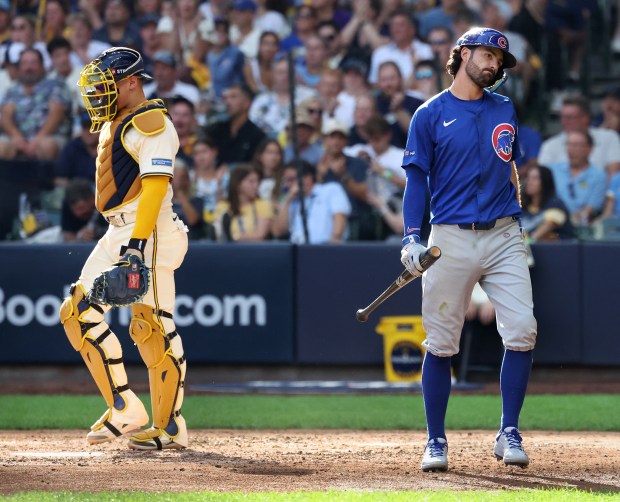
“The beauty of this time of year is one loss counts as one loss,” shortstop Dansby Swanson said. “I was kind of making the joke to everybody that’s not the Champions League. It’s not an aggregate type of situation. I don’t know how many of those understood that, but I think it’s an easy way to flush it and move on and be ready for Monday.”