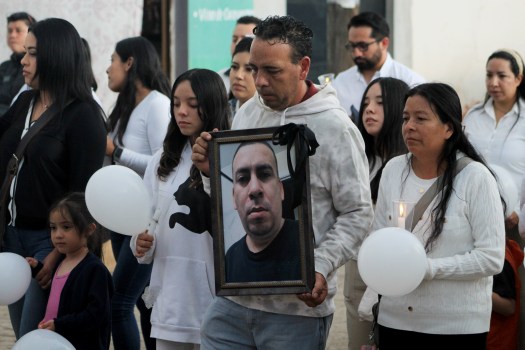

On a recent humid morning in Michoacán, Mexico, hundreds gathered to mourn Silverio Villegas Gonzalez. His body had finally come home after getting shot and killed by an ICE agent in Franklin Park after he allegedly tried to run him over.
The small town where he was born and raised was filled that late September day with neighbors, friends, and relatives, many of whom have family members working or living in the United States. Among them were Silverio’s elderly parents, dressed in white, leaning on others for support as they made their way through their town, paying homage to Villegas Gonzalez.
Their faces were etched with sorrow; their steps heavy not just from age, but from the weight of a grief that may never leave them. At 38 years old, he was the youngest of their 10 children.
“Mi hijo era un buen hombre. Por qué me lo mataron así?” cried Esperanza Gonzalez, 77, his mother, on a phone call with Tribune. “My son was a good man. Why did they kill him that way?”
On the day of his burial, as they lowered their son into the ground, one absence loomed larger than the rest: Villegas Gonzalez’s two children were not there.

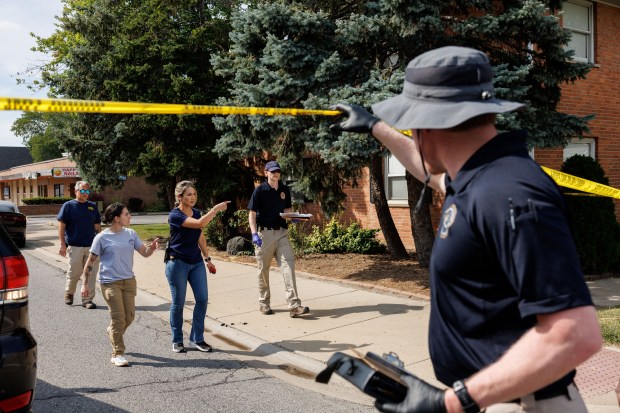
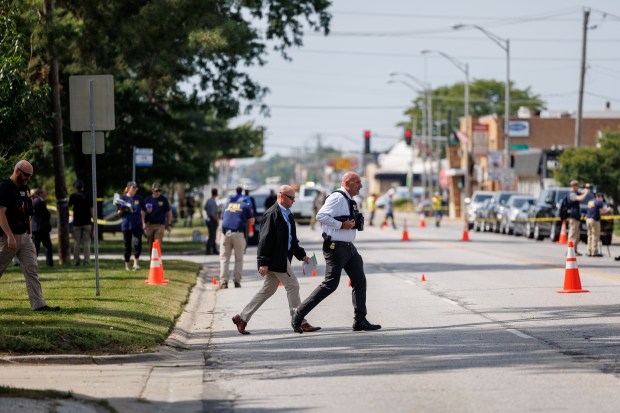
Villegas Gonzalez was killed by U.S. Immigration and Customs Enforcement agents on Sept. 12 during what authorities initially described as a routine traffic stop that Villegas Gonzalez tried to flee. A few weeks later, the state of Idaho took custody of his two kids, according to his family and Mexican officials.
The Idaho Department of Health and Welfare could not immediately provide a comment regarding the case, but his family said Villegas Gonzalez had been seeking custody of his two sons, 7 and 3, in court before his death and had obtained partial custody. Their biological mother had moved with the children to Idaho about three years ago, the family said.
“The (U.S.) government killed their father and now they want to take them away from us,” Graciela Villegas, one of his sisters, told the Tribune. “Those children adored their dad.”
Now, from across the border, his family is not only seeking to reunite with his children, they’re also fighting for something just as important, they said: justice.
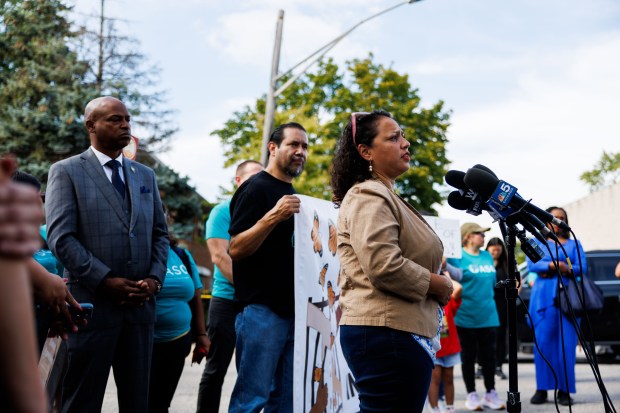
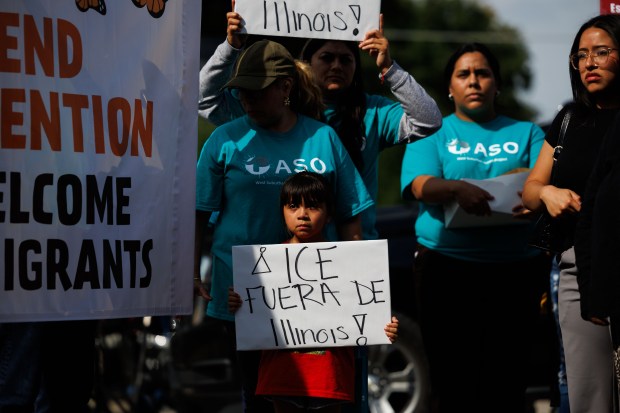
Earlier this month, Illinois Democratic leaders, including U.S. Sen. Dick Durbin, Rep. Jesús “Chuy” García and other congressional representatives sent a letter to the Homeland Security Secretary Kristi Noem asking for transparency and accountability about the fatal shooting by the ICE officer. Meanwhile, the Mexican Consulate in Chicago confirmed it is working to help reunite the children with their extended family who live in the United States.
Ambassador Reyna Torres Mendivil said Mexican President Claudia Sheinbaum is demanding a “thorough investigation.”
In the weeks since Villegas Gonzalez’s death, new video evidence has emerged, including footage from witness cellphones and, most notably, body cameras worn by Franklin Park police officers who responded to the scene. Democratic leaders requesting the investigation say there are “inconsistencies between publicly released surveillance footage and allegations made by DHS,” which claimed that Villegas Gonzalez dragged an officer with his vehicle and attempted to run him over, causing serious injuries.
Back in Michoacán, the calls for justice can seem louder than the wailing at the burial. For Graciela Villegas, who had not seen her brother in nearly two decades, seeing her brother in a casket was “excruciating.”
Her brother, she said, was wrongfully portrayed as a criminal.
“They killed him for no reason,” Graciela said.

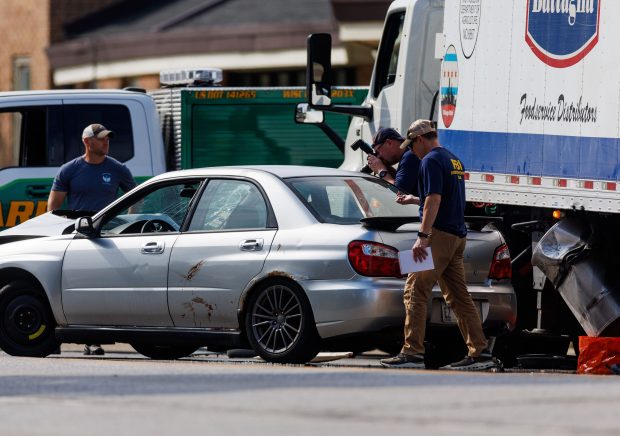
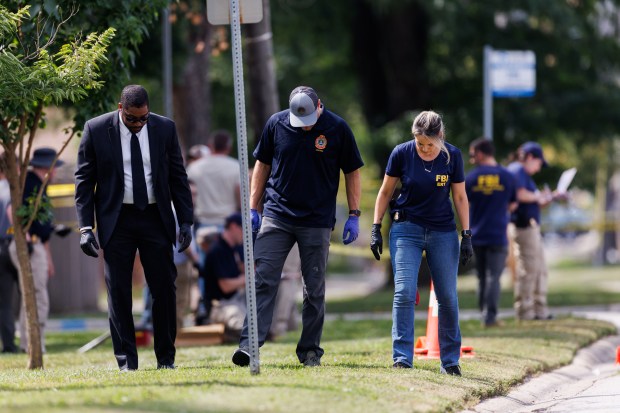
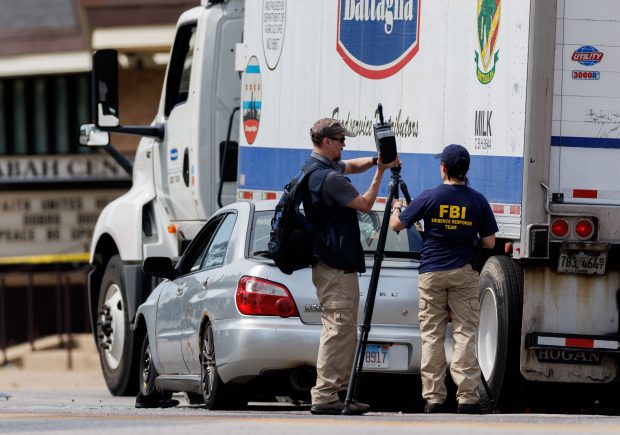
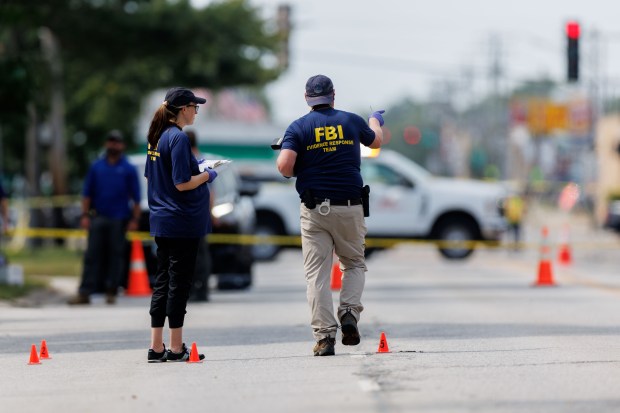
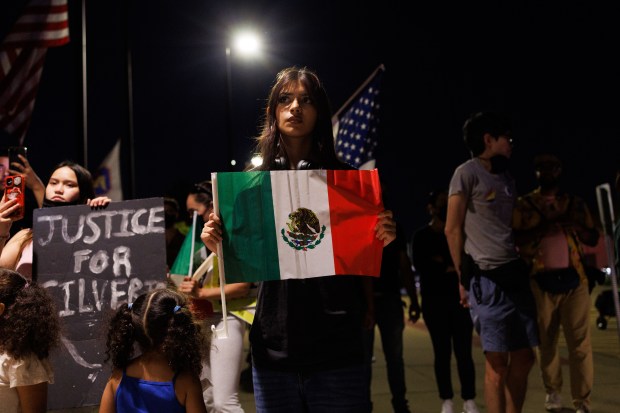
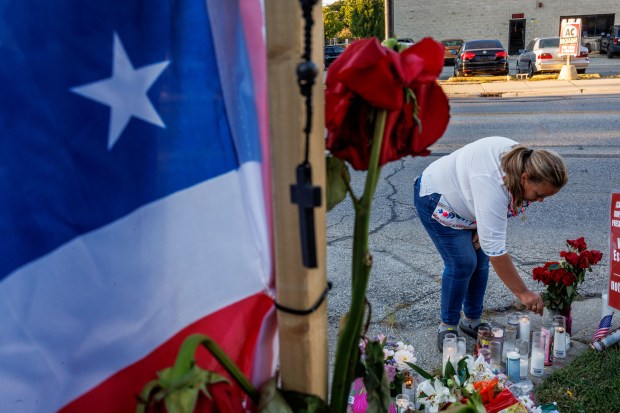
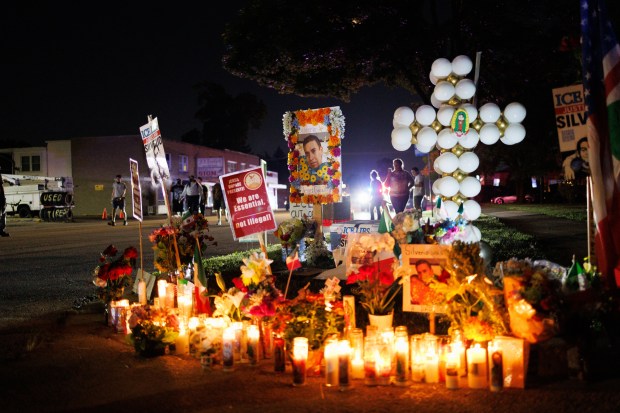

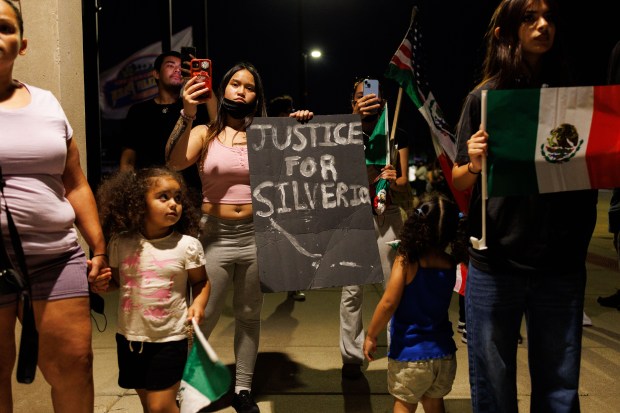
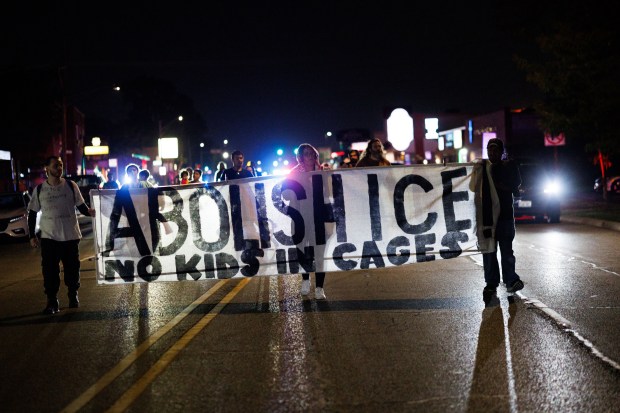
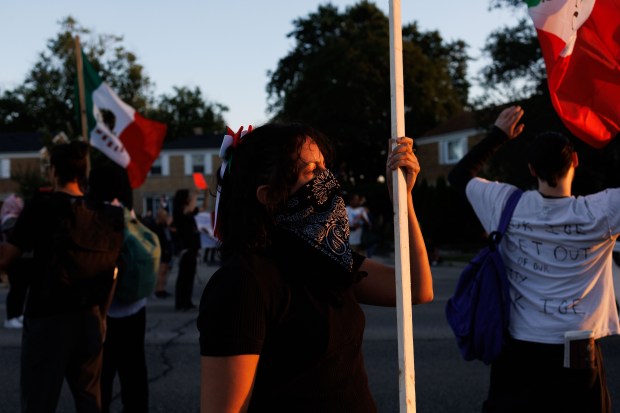
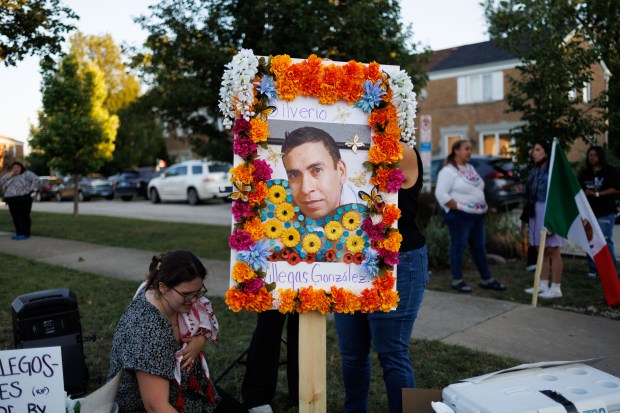
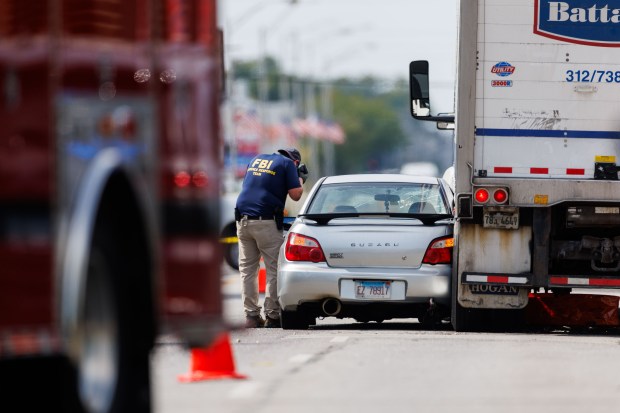
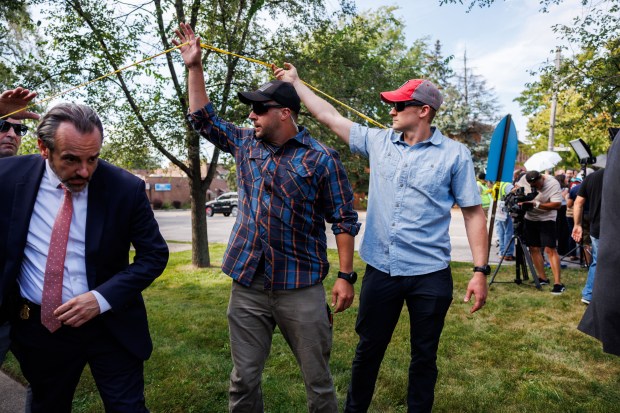
Though DHS said Villegas Gonzalez was a targeted undocumented immigrant because of his criminal background of “reckless driving,” the Tribune found no criminal history for Villegas Gonzalez, who had been living in the Chicago area for the past 18 years.
Since getting his children, Villegas Gonzalez dedicated his time to work and taking care of his two sons, his loved ones say. He was working on getting healthier and on saving money, his sister said.
“That’s because he wanted to prove that he could be a good father to gain full custody of his children,” she added.
She thinks that her brother was “so worried of losing his children” and “that’s why he may have tried to run away” from the federal agents who were questioning him.
Penny Kostoglakis, the mother of the children and Villegas Gonzalez’s wife, said she has not been able to see her children since the state of Idaho picked them up from Chicago. Though she lives in that state and intends to seek custody, she said she thinks her children will be well taken care of by the Villegas family if they stay in the United States.
“He was always good to me,” she said about Villegas Gonzalez. “He was always working and I would stay home to take care of the kids.”
When she found out about the shooting she immediately asked her sister in Chicago, “Were the kids with him?”

Villegas Gonzalez had just dropped off his kids at day care and was on his way to work when the agents approached him. Mexican officials say they are monitoring the welfare of the children.
“We are doing everything necessary, in coordination with the consular network, to ensure that these children are being taken care of now,” Torres Mendivil said. “(The custody of the children) will not be determined by the family or the consulates. No one else will intervene other than a judge who must assess whether the children are being placed in a safe environment.”
Graciela Villegas remembers her brother as a quiet and reserved man who left his rural hometown in Mexico to pursue opportunities to earn more money in the United States when he was 20 years old.
That was the last time Graciela saw her brother alive.
“But he would call or message me almost every day,” she said through tears. “Whenever he could, he would send us money, especially since our parents have been sick lately.”
The family lives in Loma de Chupio, a small town with dirt roads and houses made of stone with tiled roofs. The community lives off the land, raising cattle and relying on what they can grow.

Most people in their town have family members living in the United States without legal status, Villegas said. Many of them knew him personally.
“The whole town is grieving, and everyone is scared of what might happen to their loved ones in the U.S.,” said Lourdes Alejandra Lopez, director of migrant services in Irimbo, Michoacán, the municipality that includes Loma de Chupio. Lopez has been supporting the Villegas family through the repatriation process, the burial, and now serves as their liaison as Mexican authorities demand an investigation into the fatal shooting.
Local officials have also started compiling information on residents with family members abroad, aiming to provide resources and guidance in case of deportation for when they return.
“For now, the family needs to rest,” Lopez said. “They are facing not only the pain of losing a loved one but also the burden of a legal battle.”
For Esperanza Gonzalez, the only comfort amid the grief would be having her two grandchildren, Villegas Gonzalez’s sons, back home with them.
She met her eldest grandson during a visit to Chicago a few years ago. That trip was also the last time she hugged Villegas Gonzalez goodbye.