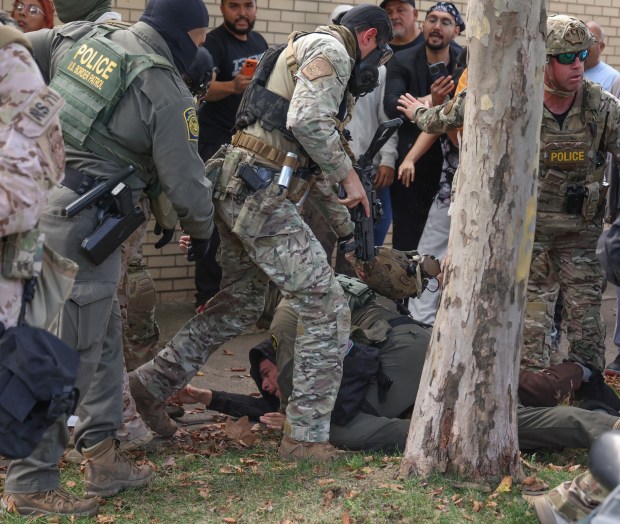
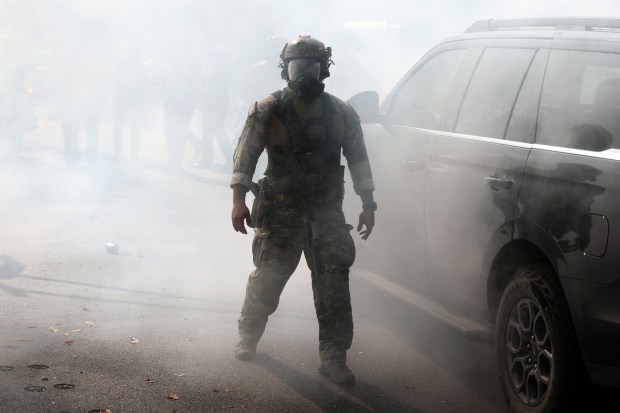
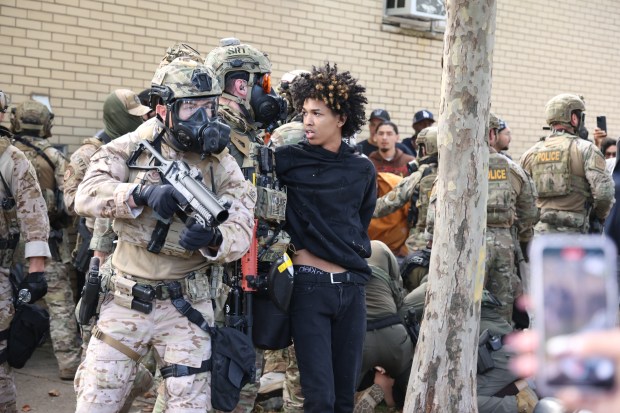
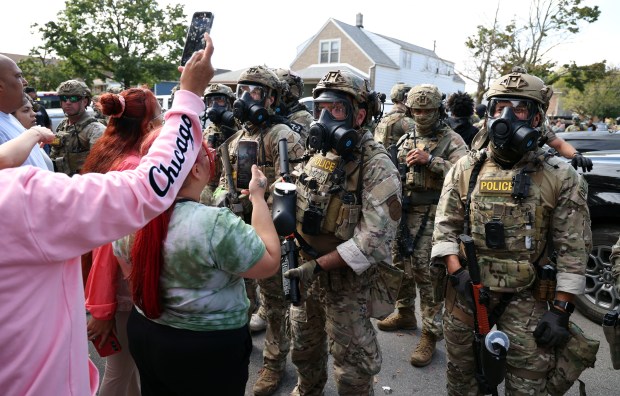
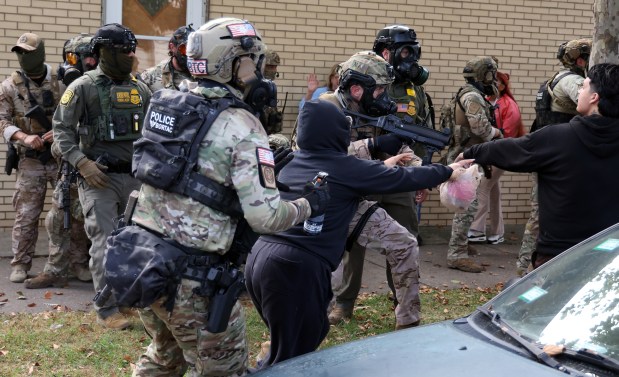
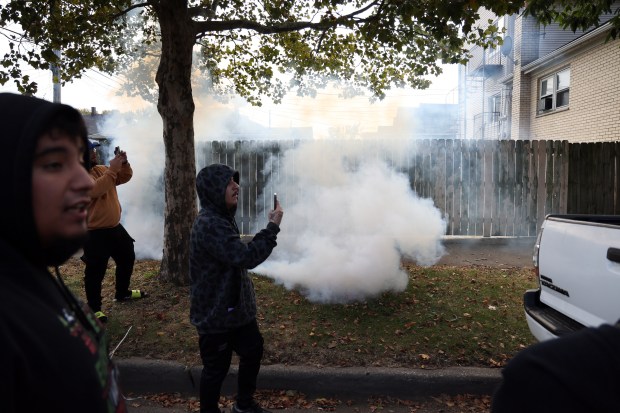
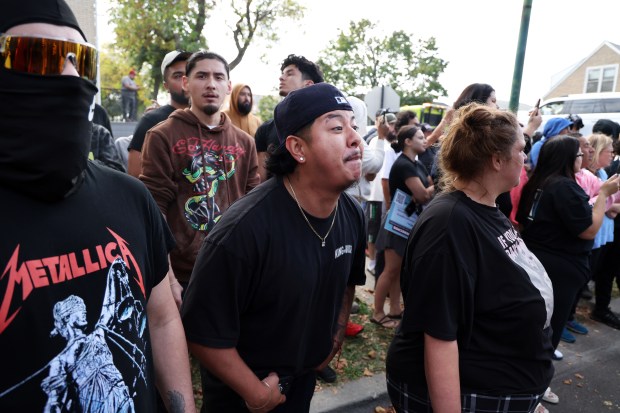
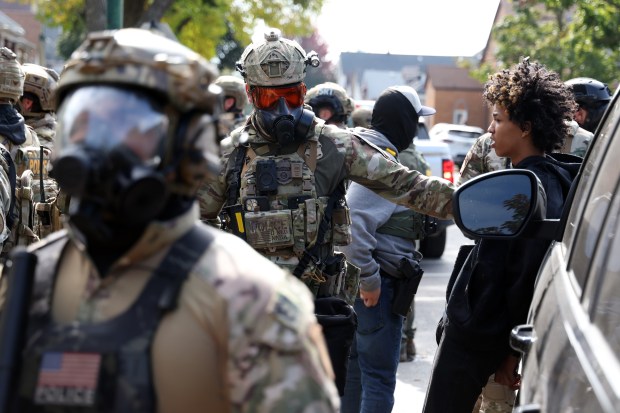
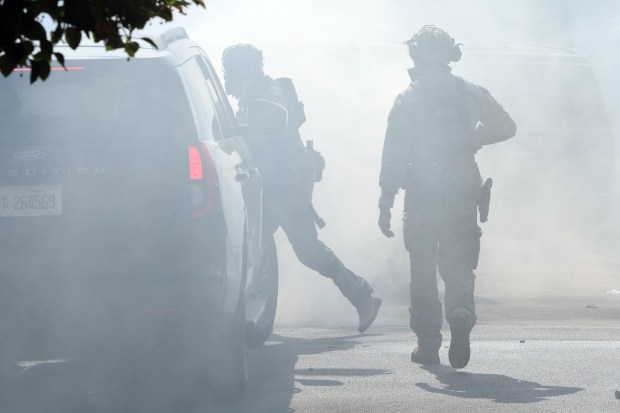
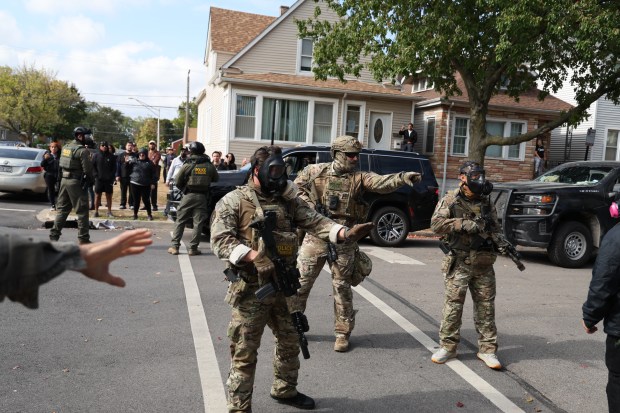


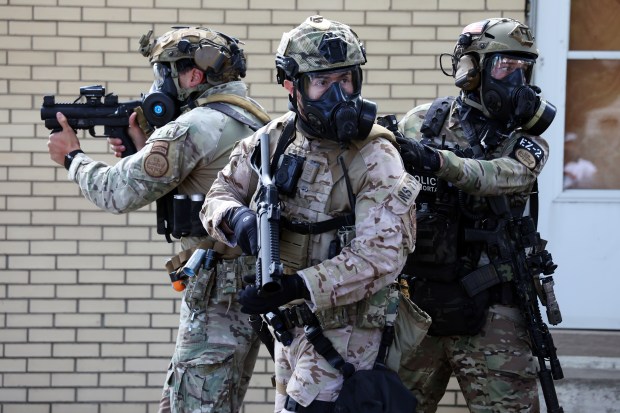


A federal judge in Chicago on Friday clarified that all immigration enforcement agents must have body cameras in the field as part of a temporary restraining order over the tear-gassing and rough treatment of protesters and media during the Trump administration’s ongoing “Operation Midway Blitz.”
In a hearing at the Dirksen U.S. Courthouse, U.S. District Judge Sara Ellis said she was displeased by the lack of response from the government Thursday when she asked them to come up with suggested language to modify her restraining order when it came to body cameras.
“Nothing came in,” Ellis said Friday. “This was not a suggestion, it was not a hint, it wasn’t a topic of conversation. It was an order.”
The move came in the wake of a public statement from the Department of Homeland Security. After Thursday’s hearing, a DHS spokesperson said there was currently no order requiring body cameras, but if a court were to enter such an order, it would be “an extreme act of judicial activism.”
It’s not clear if Ellis was aware of that statement, but on Friday she said there should be no confusion that she was modifying her temporary restraining order to reflect that body cameras must be worn at all times. “I expect that it will be followed,” she said.
East Side neighborhood leaders decry tear gas response by immigration agents
At the Thursday hearing, Ellis told a lawyer for the Department of Justice she was “profoundly concerned” that immigration agents are violating her orders restricting the use of tear gas on media and protesters and ordered the field director for the Immigration and Customs Enforcement into court to answer questions.
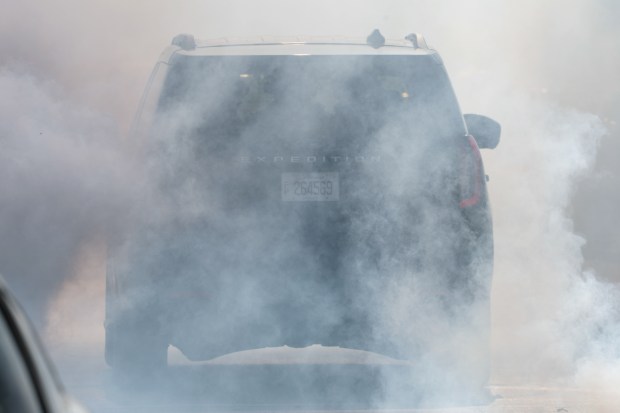
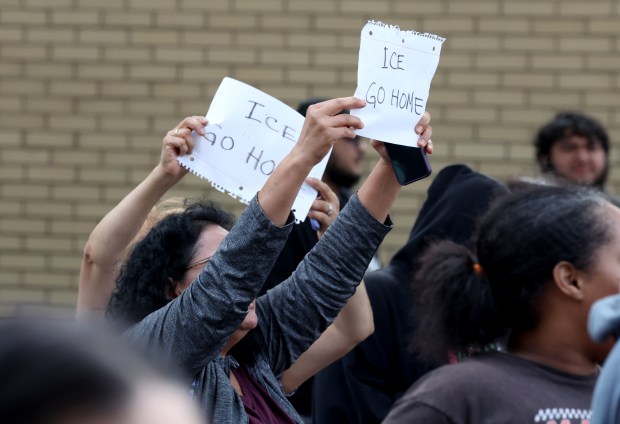
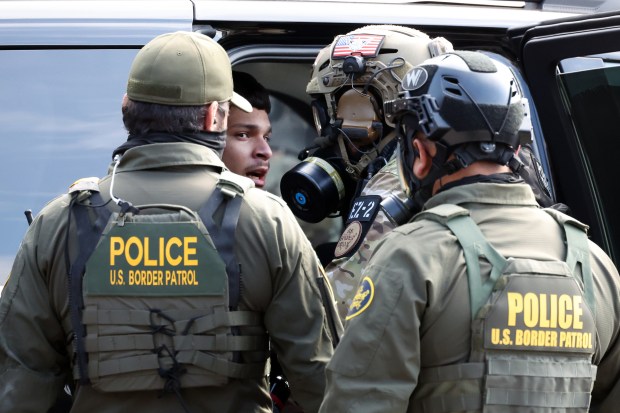
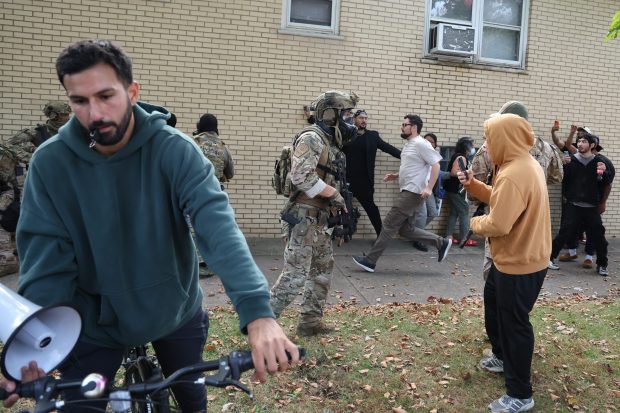
The judge said she was particularly worried about alleged violations by immigration officers in recent clashes, including one on Chicago’s East Side after agents used a controversial and potentially dangerous maneuver to disable a fleeing vehicle, then tear-gassed people during a tense gathering at the scene. A Department of Homeland Security spokeswoman alleged protesters were throwing rocks at officers.
“I am profoundly concerned about what has been happening over the last week, since I entered this order,” Ellis said. “I live in Chicago if folks haven’t noticed,” she said. “And I’m not blind, right? … I’m getting images and seeing images on the news, in the paper, reading reports where I’m having concerns about my order being followed.”
Department of Justice attorney Sean Skedzielewski said Thursday he was concerned because body-camera policies vary widely within the different agencies under Homeland Security, and that no program for the cameras was currently in place for ICE’s six-state Chicago region, meaning agents in the field may not have cameras or be trained in how to use them if they did.
Ellis said that the cameras would help everyone involved, including the officers.
“The nice thing about body-worn cameras is that they pick up events before the triggering event happens,” the judge said. “And yeah, you know, once somebody hits the ground, all the cameras come out, all the cellphones come out, but you don’t see what happened before that. So at least we’d have a much better picture of what’s going on and a much better understanding of whether any violations occurred.”
Skedzielewski said that the government still opposed any camera requirement being added to the TRO, “not only because it’s not tethered to any specific complaint or injury” but because it’s “unworkable” given the volume of interactions with the public.
But Ellis responded there was a simple solution: “Don’t violate the Constitution.”
Meanwhile, Ellis had ordered ICE Field Director Russell Hott to court to answer questions on Monday, but attorneys for the government later said he’s leaving his position in Chicago and returning to Washington, D.C., as of Friday.
Instead, lawyers for the government suggested making Border Protection Deputy Incident Commander Kyle Harvick available to answer any questions.
“As long as I get the answers that I want,” Ellis said. “I don’t want anyone to get up there and say, ‘I don’t know,’ or ‘Not my responsibility,'” she said.
jmeisner@chicagotribune.com