For weeks, Chicagoans and suburbanites have recorded masked federal agents pursuing people down streets, detaining them, and loading them into unmarked cars — scenes that have at times descended into chaos amid President Donald Trump’s crackdown on illegal immigration.
Now, in a move that could bolster both his public messaging and the state’s legal efforts to fight the Trump administration, Gov. JB Pritzker is seeking to channel those videos, testimonials and any allegations of misconduct into a centralized record overseen by a new “accountability commission.” The panel, he said, will track and scrutinize the administration’s actions with an eye toward future efforts to hold federal officials and employees accountable.
Announced Thursday in an executive order establishing the commission, the move follows weeks of resistance from Democratic-led states that have sought to challenge the Trump administration’s law enforcement crackdowns largely through the courts. Pritzker has repeatedly acknowledged that Illinois, like other states, has few direct tools to counter federal actions beyond litigation and public accountability efforts.
Hamstrung by the state’s limited authority to restrict federal immigration agencies, including U.S. Immigration and Customs Enforcement and Border Patrol, Pritzker said the commission will serve as a means of collecting and preserving evidence — material that could be used by a future Congress, presidential administration or in potential legal proceedings. While the panel will be empowered to recommend steps to hold the federal government accountable, Pritzker acknowledged it will have no subpoena power. It has no direct law enforcement authority.
The commission may, in the end, function as much as a public forum as a means for legal action, amplifying awareness of federal agents’ conduct as it documents possible abuses.
The panel will hold hearings and gather testimony from local officials, legal experts, faith leaders and journalists, with an initial report expected in January, according to the governor’s office.
“We have a duty to ensure that the truth is preserved, so the public can know what their elected and appointed officials have done, and so the courts and the Congress can eventually hold people accountable,” Pritzker said. “Donald Trump is counting on your silence. We are counting on your courage.”
Since the latest wave of federal immigration enforcement began in early September, local officials have said they are exploring a range of options to push back against what they describe as the Trump administration’s increasingly aggressive tactics in Chicago and the suburbs.
Pritzker’s executive order also comes as former Mayor Lori Lightfoot separately said this week that she and a group of attorneys were working to establish a nonprofit organization to serve as a “centralized archive” of alleged misconduct by ICE and Border Patrol agents, according to Fox 32. It’s unclear if the two efforts would work together. Pritzker and Lightfoot had a sometimes-tense relationship while she was mayor.
Though it’s not clear how strong the teeth of the new commission will be, its creation is the next step for Pritzker after he has asked Illinoisans, even before “Operation Midway Blitz” launched on Sept. 8, to record and share ICE and Border Patrol activity. In late August, during a news conference along the Chicago River with elected leaders across Chicago and the state, Pritzker issued a warning “to Trump administration officials who are complicit in this scheme, to the public servants who have forsaken their oath to the Constitution to serve the petty whims of an arrogant little man, to any federal official who would come to Chicago and try to incite my people into violence as a pretext for something darker and more dangerous: We are watching and we are taking names.”
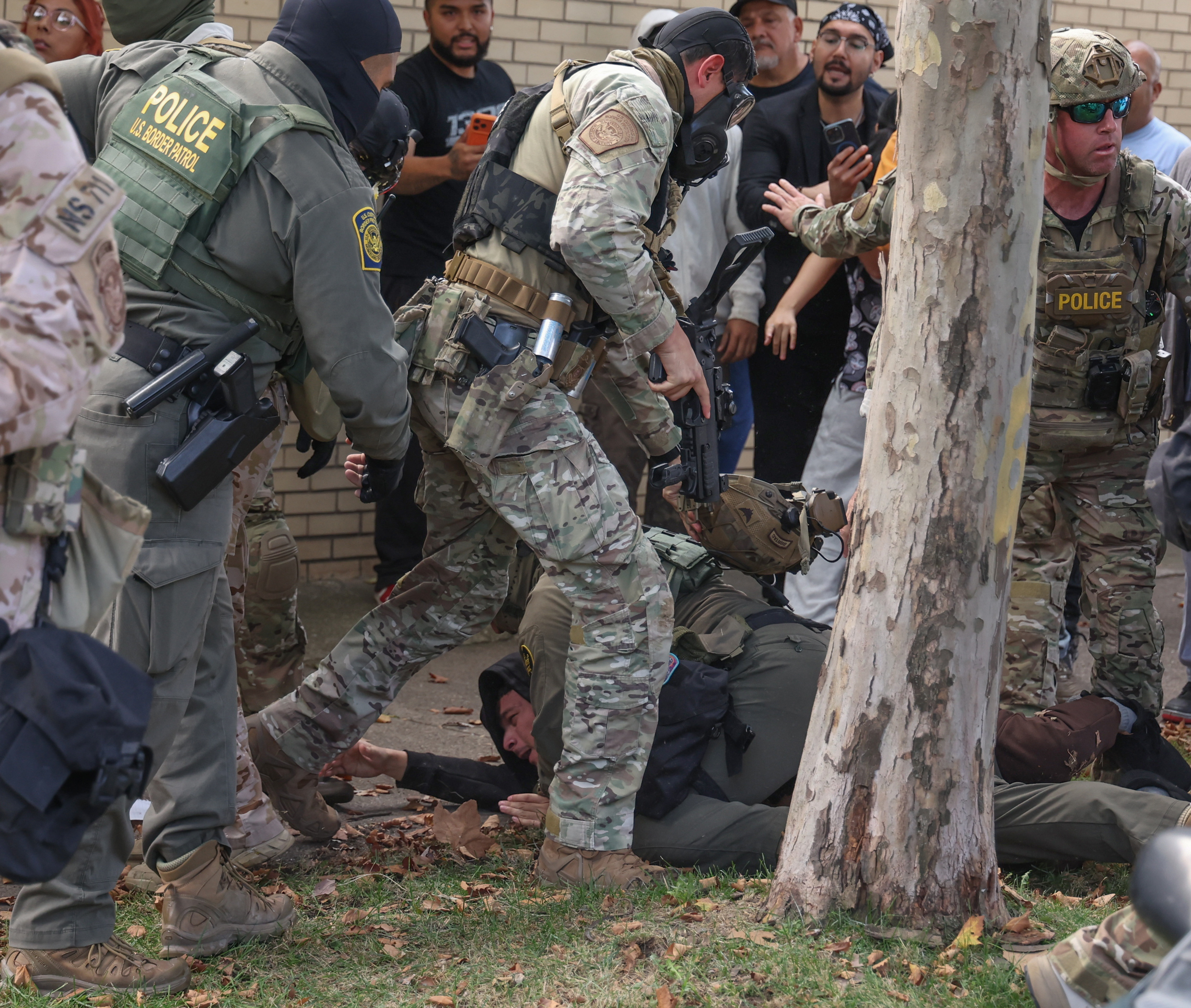
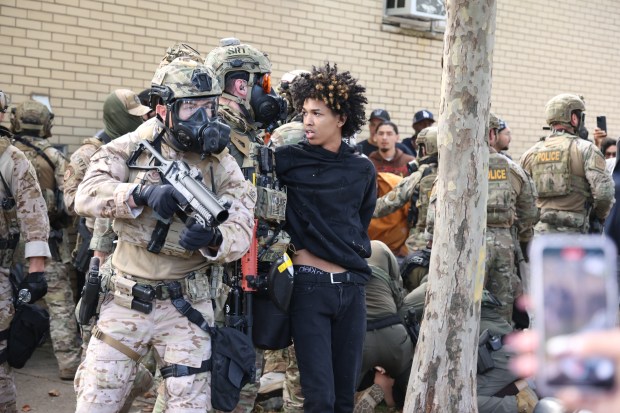
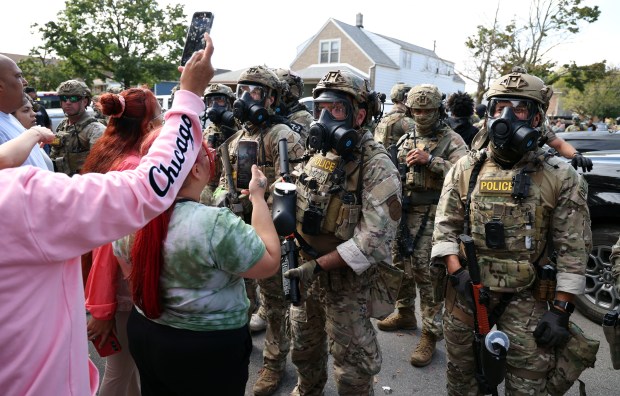
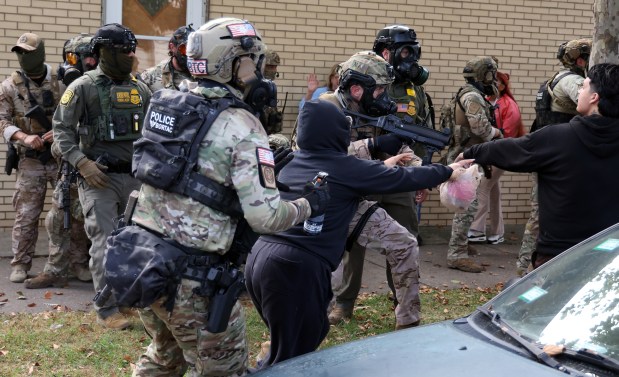
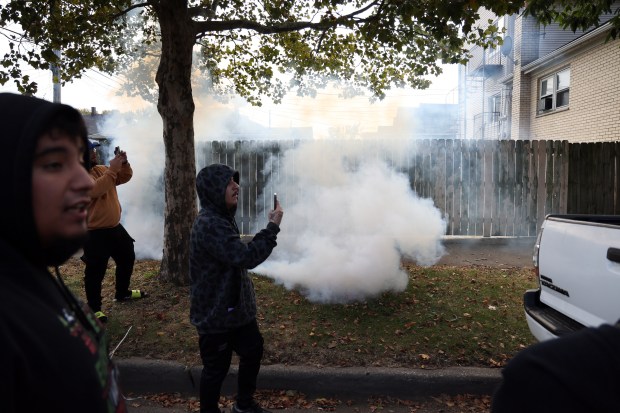
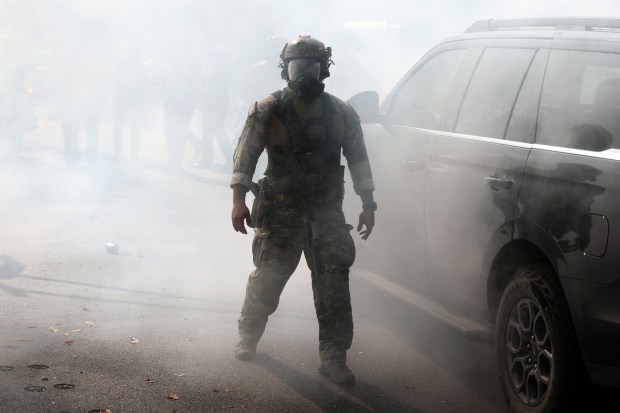
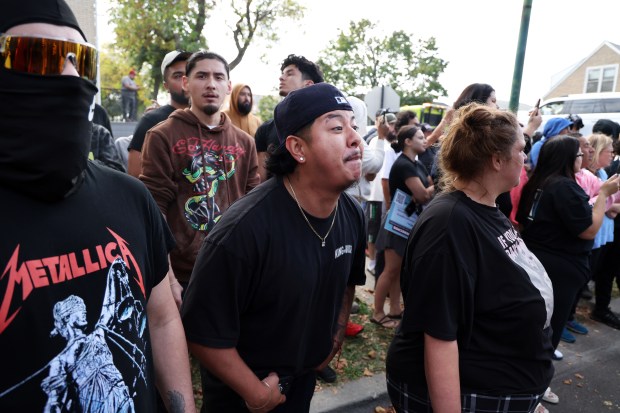
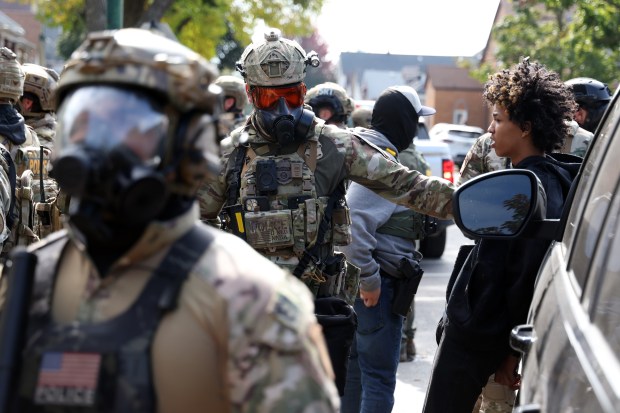
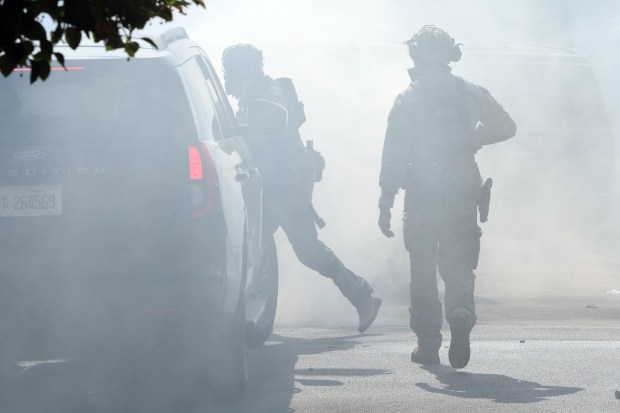
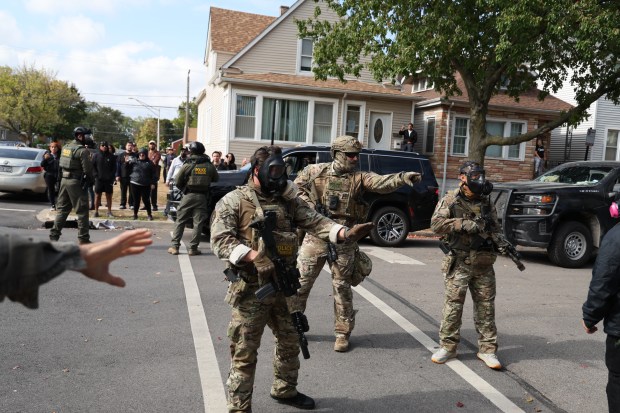
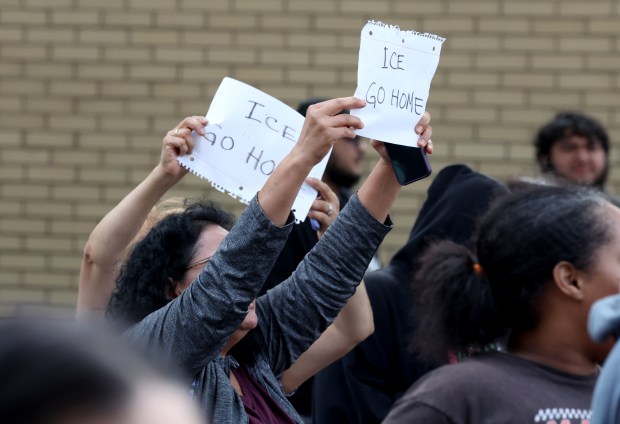
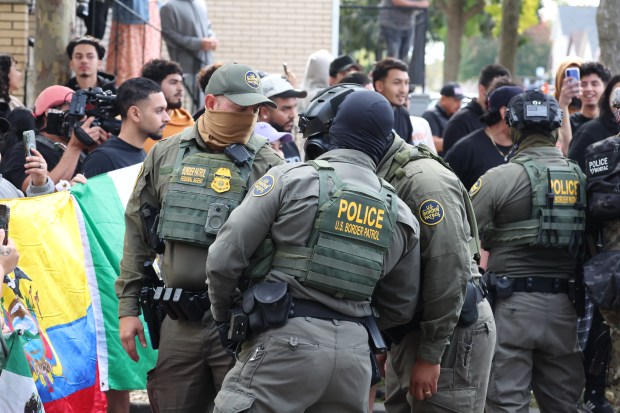
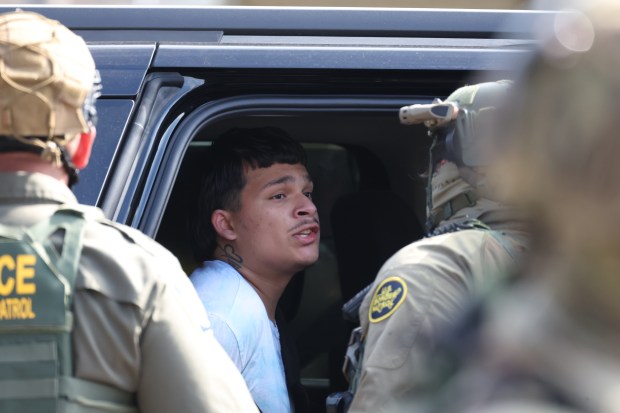
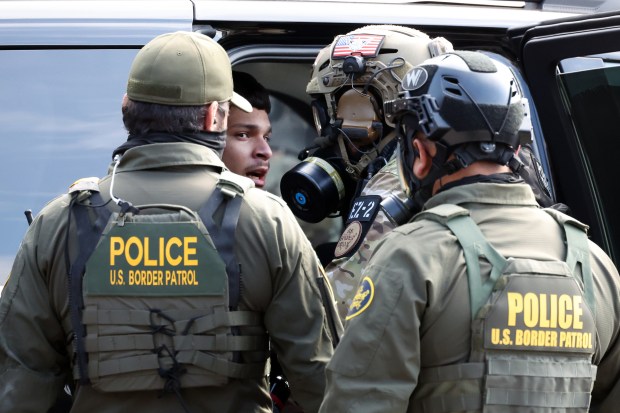
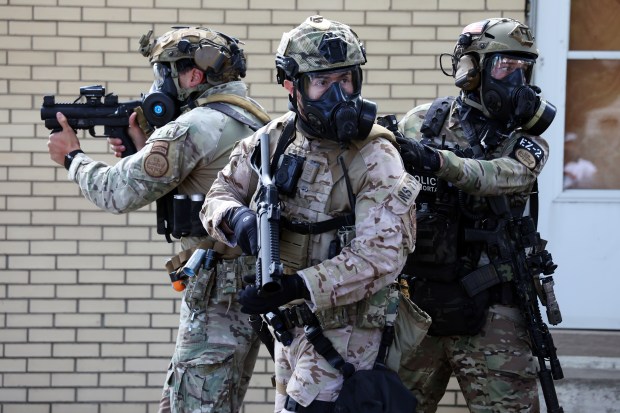
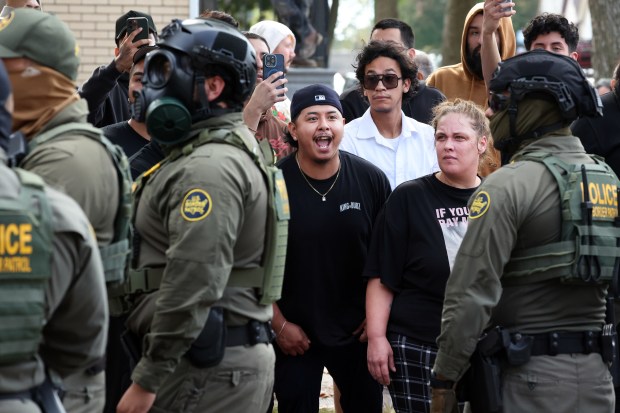
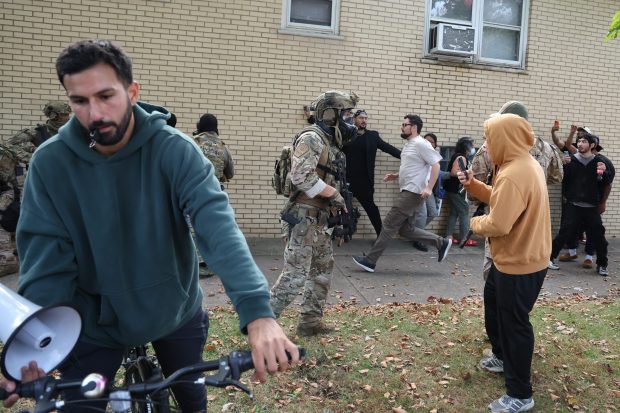
Some videos people have taken were used in announcing Illinois Attorney General Kwame Raoul’s office’s case that obtained a federal judge’s temporary restraining order holding off the Trump administration from commanding National Guard troops onto city and suburban streets. The videos also have helped other state officials, activists and journalists keep track of federal officials’ actions in neighborhoods, even as the agents themselves remain largely masked and anonymous.
Pritzker’s order appears to centralize that information at the state level. The federal Department of Homeland Security, for its part, has discouraged journalists and others from sharing videos of federal agents, saying ICE and Border Patrol agents have been subjected to physical threats, which it says have increased by “one thousand percent.”
The commission is expected to be chaired by former federal judge Rubén Castillo, a former assistant U.S. attorney in Chicago who also served as a director and regional counsel for the Mexican American Legal Defense and Educational Fund, the Latino civil rights and advocacy group known as MALDEF. He represented the group in redistricting cases that led to the creation of the first Hispanic-majority congressional district in Illinois and to an increase in the number of Latino-majority aldermanic and state legislative districts.

Pritzker announced his appointments to six of the nine expected seats on the new board. In addition to Castillo, Pritzker named former judge and federal prosecutor Patricia Brown Holmes, who is expected to serve as vice chair. The commission is set to last for a year but could be extended, according to the executive order.
A Homeland Security spokesperson didn’t immediately respond to a request for comment. Illinois House Republican Leader Tony McCombie, in a statement, called the commission “another taxpayer-funded political stunt.”
The Trump administration is now heading into the eighth week of “Operation Midway Blitz,” during which at least 1,500 arrests have been made, the Department of Homeland Security has reported. The sight of ICE and Border Patrol has become common throughout Chicago and the suburbs, as agents have repeatedly detained people first and sought information about them later, without immediate regard for citizenship or legal status.
DHS has said it’s going after the “worst of the worst,” or individuals who both lack legal status and have committed violent crimes, and it has provided several examples of people arrested in the past two months that it says fit that description. But other studies have shown that many people arrested and detained as part of nationwide sweeps have been American citizens or had no criminal record.
The department has not released comprehensive lists of detainees widely.
Pritzker’s order follows Wednesday’s legal win for the state in its ongoing fight against allowing National Guard troops to be part of the crackdown: A federal judge in Chicago indefinitely extended her restraining order barring Trump from deploying the troops to Illinois as both sides await a U.S. Supreme Court ruling.
Other legal efforts against the Trump administration’s actions have come from outside the state government. In a separate lawsuit, a federal judge ruled earlier this month that federal agents violated the rights of news reporters and protesters who were responding to immigration arrests in Chicago and restricted some of the agents’ future actions.
Mary Meg McCarthy, executive director of the National Immigrant Justice Center and another expected member of the board, on Thursday drew a comparison to a 1991 report about the military dictatorship of Augusto Pinochet in Chile, which she said she had lived under in the 1980s.
“This report became a critical resource as Chileans worked to reestablish democratic and human rights norms,” she said. When she returned to the U.S., she added, “I never, never imagined that one day, I would be living through a similar authoritarian regime. But here we are.”