Chicago’s education landscape faced an unprecedented set of challenges this year — from Chicago Public Schools’ protracted budget fight, to intensified immigration enforcement, to federal funding cuts.
During President Donald Trump’s first year in office, his sweeping policy shifts left a mark on K-12 and higher education alike.
Illinois schools have emerged as a microcosm for national issues, including Operation Midway Blitz, the dismantling of the U.S. Education Department and culture wars in the classroom.
Looking back at a year of headlines, we picked five Tribune education stories that defined our city in 2025.
Immigration crackdown hits schools
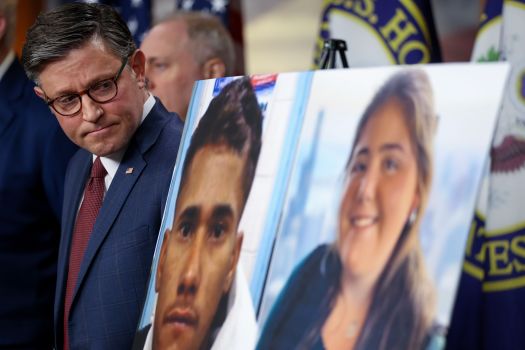
Trump’s intensified immigration enforcement struck CPS and surrounding districts hard, sparking widespread fear among schools, students and community members.
Migrant families voiced concerns as early as Inauguration Day. Attendance declined at many predominantly Latino schools across the district. That same month, a mistaken report of two U.S. Immigration and Customs Enforcement agents at a South Side elementary school spurred panic.
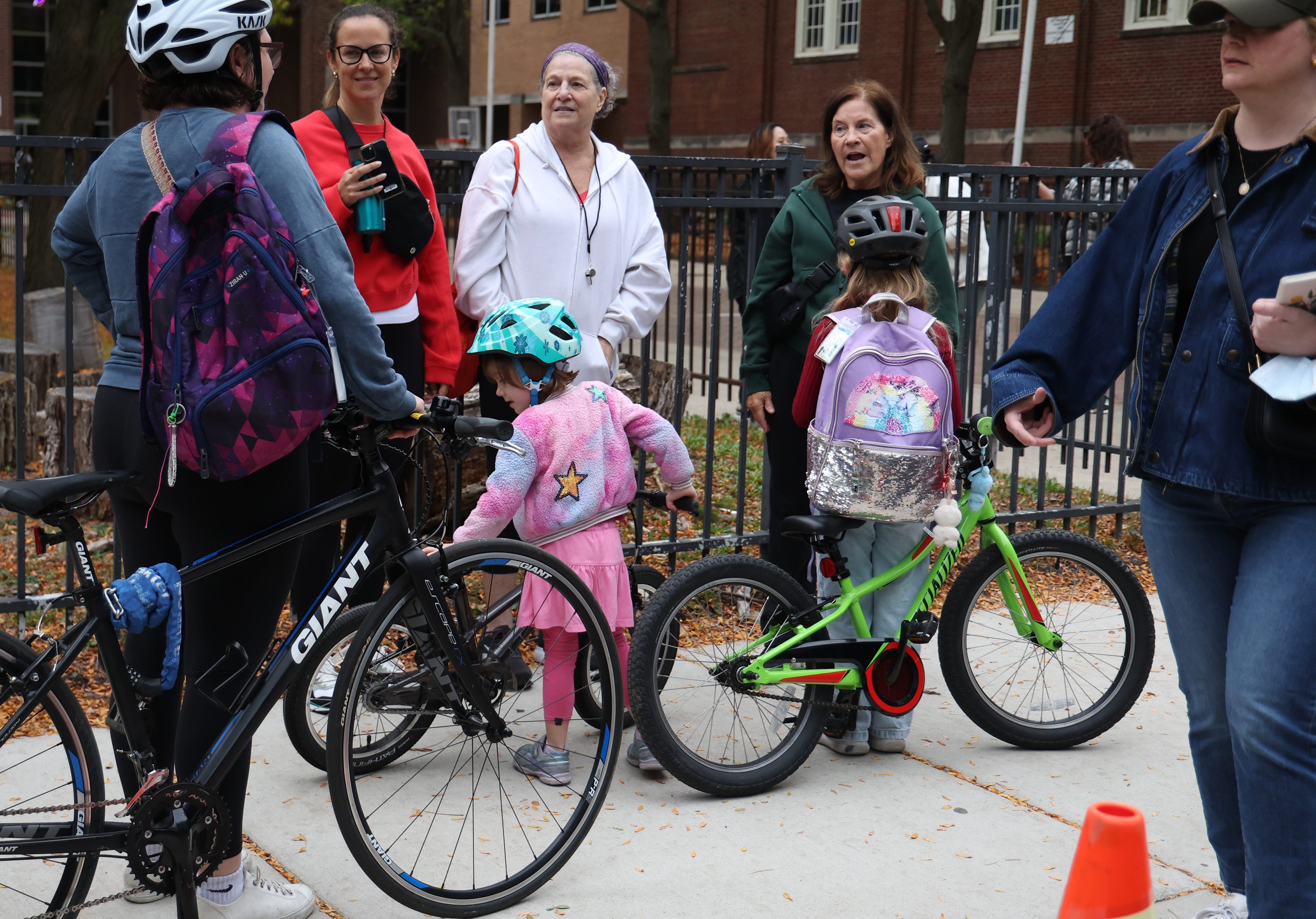


Many of those fears were realized in the fall, when Trump launched Operation Midway Blitz. Communities across the district banded together to create new systems and amplify existing support for families and students directly impacted.
At the height of the crackdown, there were calls to offer remote learning for frightened families in Chicago neighborhoods and some hard-hit suburban districts. District leadership, however, maintained that schools were the safest place for students.
Budget woes at Chicago Public Schools
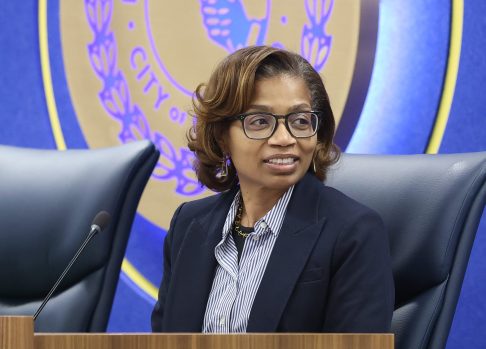
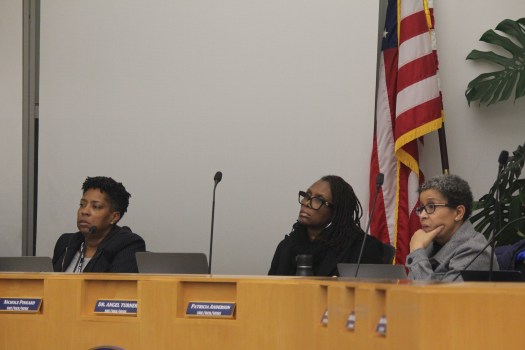
The Chicago Board of Education approved a $10.25 billion budget in August, closing a $734 million deficit. But it was far from an easy feat: The monthslong budget fight led to the resignation of the entire school board last year and the ouster of former CPS CEO Pedro Martinez.
At the heart of the debate was a $200 million high-interest loan and a disputed pension payment for nonteaching CPS staff members, both backed by Mayor Brandon Johnson. The final budget excluded the loan and relied instead on a one-time cash infusion from special taxing districts.
Still, the district’s budget woes will persist into the new year. Just shy of a year of negotiations with the district, the Chicago Teachers Union ratified a new contract in April with historic member support — and notably, without a strike — that will cost CPS $1.5 billion over the next four years.

Meanwhile, a November report from the Office of Inspector General, the district’s watchdog, found that CPS travel expenditures more than doubled from $3.7 million to $7.7 million after the COVID-19 pandemic.
CPS ended fiscal year 2025 with $339 million in net negative cash, which was $485 million less than the year prior. But CPS wasn’t alone. Issues with Cook County property tax data also slowed suburban school districts’ efforts to secure the maximum allowable tax revenue.
Federal pressures rattle Northwestern, higher ed
Trump’s pressure campaign on elite universities hit Chicago hard in April, when his administration froze $790 million in research funding for Northwestern University. The abrupt pause triggered a wave of cost-cutting measures across campus, including a hiring freeze and the layoffs of hundreds of staff members.
Under the weight of the freeze and intense criticism from Republican lawmakers, Northwestern’s embattled president, Michael Schill, resigned.
To restore funding, Northwestern agreed to pay a $75 million fine in November. In exchange, the White House closed several investigations into alleged antisemitism on campus. The settlement sent shockwaves through campus, with many students and faculty members condemning the move as acquiescence to Trump.

Other Illinois higher-education institutions have been affected by Trump. International enrollment dropped at nearly two dozen Illinois universities amid shifting visa policies — leading to dramatic budget cuts at DePaul University. Changes to federal student loans and repayment programs have continued to raise concerns about the future of college accessibility.
Trump’s Education Department
The Trump administration has taken dramatic steps to dismantle the Education Department, aiming to return oversight to the states and forcefully roll back diversity, equity, and inclusion initiatives.
Those shifts have already ripped across Chicago and regional schools. Thousands of complaints filed in the Office for Civil Rights, which investigates discrimination in schools, were left in limbo after department layoffs.
The remaining staff members have been instructed to open cases aligned with Trump’s civil rights agenda. That includes an investigation into CPS’ Black Student Success Plan for alleged racial discrimination. A similar probe was launched against Evanston/Skokie School District 65 in May based on the district’s social justice programming.
Superintendent salaries vary statewide
A Tribune analysis of 2024 salaries found that at least 18 suburban superintendents in Illinois received higher compensation than former Chicago Public Schools CEO Pedro Martinez despite overseeing significantly smaller districts. Collectively, these 18 superintendents oversee 117 schools serving 76,000 students — roughly 600 fewer schools and 230,000 fewer students than Martinez.
For example, in Dolton School District 148, a small south suburban school district, a fifth of the students met state reading requirements in 2024. Yet, the former superintendent of their district earned a total compensation of more than $537,000 in 2024 — the highest in the state.
While experts struggled to definitely identify which factors should be considered when drafting a superintendent’s contract, residents across the state said high pay in low-performing districts is unacceptable.