

The Tinley Park Village Board is considering six proposals to add rules on rental housing in an effort to better prioritize “community health over corporate wealth,” said Trustee Ken Shaw.
Shaw said the policies, which include new fees and fines along with required in-person inspections for rental housing, aim to protect Tinley Park residents from absentee landlords and corporate speculation, and to ensure rental housing is safe and high quality.
The Village Board reviewed the proposals at a Dec. 16 committee meeting, and the concepts were supported by trustees and Mayor Michael Glotz. Shaw said the proposals need to be finalized and a final vote could be months down the road.
Shaw said if passed, the rules could be implemented in the next 12 to 18 months.
He said the policies would allow the village to be proactive in preventing rental housing issues, instead of just addressing issues as they come up.
He said he is especially concerned about corporations buying residential housing, pushing out first-time home buyers and becoming absentee landlords.
“They don’t take care of the place, they’re not responsive, mechanical systems fail and they can’t get it fixed,” Shaw said. “We can’t have people living in those conditions. We need to do what we can to protect them.”
Shaw said the village’s rental ordinance is skewed toward empowering property owners to kick out “bad tenants,” but said it’s important to go further and ensure residents live in quality properties.
The first proposal is particularly aimed at absentee and corporate landlords, he said. It would limit the individual or entity ownership of a single family duplex to two units, cap ownership for larger multifamily buildings, prohibit foreign ownership and require full disclosure of beneficial ownership.
The second proposal would require a thorough in-person inspection before license issue or renewal where staff would test the electrical outlets, plumbing, heating, gas, smoke alarms and the state of the windows and doors.
“This would provide a certain level of assurance to both the renter and the community that we’re on top of it,” Shaw said.
Shaw said the village would aim to conduct these inspections before tenants moved in. The village would charge property owners a higher fee for inspections conducted after tenants move in.
Shaw said the current ordinance states the village will not conduct interior inspections, which he equated to a “drive-by” inspection, where staff essentially look to see if a property is on a parcel of land.
The second proposal would increase fees to cover the cost of inspections and to discourage speculative ownership, along with implementing a tiered inspection schedule based on compliance history.
The third proposal would establish and enforce occupancy limits requiring all tenants to be listed on leases and license applications and prohibit unlicensed short term subletting in smaller residential units.
The fourth proposal would strengthen property maintenance and accountability with higher penalties for violations and require landlords to post contact information for complaints.
The fifth proposal, Shaw said, is aimed at increasing ownership transparency and would mandate the full beneficial ownership disclosure for rental licenses and property transfers. It would also deny licenses to entities that fail to comply.
The last proposal would increase rental license and inspection fees for a full cost recovery and apply escalating fines for repeat violations.
Trustee Michael Mueller recommended, and Shaw agreed, to prioritize implementing a registration process for rental licenses and property transfers, with heavy fines for not registering.
Shaw said the village needs to get a handle on the number of rental housing units in Tinley Park. He said administrators know how many rental units are signed up under the village’s Crime Free Rental Housing Program, which is required for rental owners under a 2008 ordinance.
But he said village officials do not know how many rental units are not signed up, and said officials need to identify rentals that are not part of the program.
Mueller said having rental units registered helps the village or Police Department contact the property owner quickly when complaints arise.
Shaw said he proposed a comprehensive solution because he wants to be careful not to rely on a single fix. He said a more comprehensive program might require an increase in staffing.
He also said he would like the implementation of the policies to be collaborative between village departments, but said those ideas are still in the early stages.
“This is not something I think we can do overnight,” Shaw said. “We’re going to have to plan this out and see how much of this we can do at once, in phases, but we have to agree to what the ultimate vision is going to be and then we do that.”
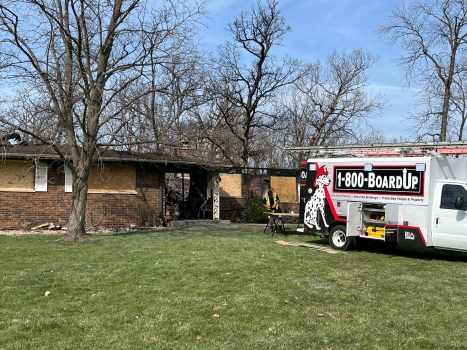
Rental housing inspections were also increased in Carpentersville in response to a March fire in which three young brothers died. The annual single-family home rental licensing fee will also increase from $125 to $300, beginning Jan. 1, in the northwest suburb.
Shaw said the Carpentersville fire is an extreme case of what the Tinley Park Village Board is trying to prevent.
“When you have absentee landlords and corporate ownership sometimes you will end up with those types of situations where it’s not a safe environment,” Shaw said. “It puts their health and safety at risk.”
Shaw said the series of proposals may be presented separately to the board, instead of one package, at an upcoming committee of the whole meeting.
awright@chicagotribune.com