In Illinois, union labor comes first.
Every lawmaker knows you need unions on your side if you want to get something done, whether it’s transit or pensions. The cost of keeping union leaders happy grows each year.
And taxpayers shoulder the cost. Don’t believe it? Lawmakers have admitted it is true.
For almost a year, Springfield legislators argued over how they would fund Chicago-area transit, facing a $834 million budget gap by 2027. It wasn’t until Oct. 31, in the final days of this year’s veto session, that they finally managed to pass an omnibus reform package to cover the projected shortfall, and then some.
In addition to a reallocation of nearly $1 billion in gas tax revenues and a 0.25% increase in the sales tax, their final funding package included a hike on Illinois’ tollways amounting to 30% for commercial vehicles and 45 cents for everyone else.
The Illinois State Toll Highway Authority wasn’t seeking help and already had passed a balanced budget when state lawmakers decided they needed $1 billion more.
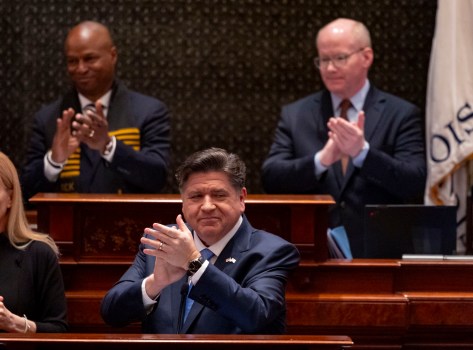
So why? Labor. Illinois House Speaker Emanuel “Chris” Welch described the tollway hike as the price to be paid for “labor support,” the Sun-Times reported.
Construction labor unions weren’t happy that nearly $1 billion from the transportation infrastructure fund, which state lawmakers raided for mass transit because it contained a $3.3 billion surplus, would be going to something they wouldn’t benefit from and didn’t have control over. So, they demanded more money be funneled in.
In 2027, tollway users will pay an extra $329 a year for cars and $1,264 for commercial trucks to finance this payoff. Illinoisans pay the highest combined state and local taxes in the nation. This is just the latest example of why.
Living in a political machine is expensive. And many of the costs can be traced back to labor union special interests.
Elected leaders rely on union dollars to fund their campaigns. As of 2023, 9 in 10 lawmakers received money from unions. Public sector unions specifically spend more in Illinois on state races than public sector unions in any other state.
It’s a political quid pro quo. Lawmakers need union approval to preserve good standing. Upsetting those supporters could mean losing vital campaign money, suddenly facing an opponent in a usually uncontested election or facing opposition in getting other legislation passed.
The tollway hike isn’t a temporary payday. It’s set to increase with inflation every year after it goes into effect. In return, it could add up to $1 billion per year for roadwork and jobs for laborers rather than the services taxpayers need, Illinois Policy analysis found.
This power — and its resulting costs to taxpayers — isn’t just held by construction unions. Government worker unions have pressured the state to continue hiking pension benefits to the detriment of both taxpayers and their own retirement security. Since 1996, Illinois residents have paid billions more in property taxes than what was initially projected, now paying the highest average property tax rate in the nation.
Just last month, Chicago residents saw their property tax bills rise a whopping 16% — the largest increase in 30 years. In some suburbs, the rates are even worse. Those increases frequently don’t go toward funding better city services; they go toward ever-growing pension obligations.
When tax bills get too high, people can’t afford them. Between 2014 and 2021, 2,000 people in Cook County lost their homes because they couldn’t keep up with property tax payments. In May 2022, 37,000 properties in the county were slated for delinquent tax sale.
These pressures are amplified for taxpayers within the Chicago Public Schools district. Despite enrollment dropping more than 20% in recent years, the Chicago Teachers Union has consistently demanded larger budgets. While taxpayers in the city struggle to keep up with an ever-larger list of the mayor’s expensive ideas, over 600 CPS employees took vacations to Las Vegas.
But the problems don’t stop at the CTU. This summer, some aldermen worked on passing an ordinance that would have allowed families to build granny flats in all residential areas of the city. But aldermen who opposed the initiative got the attention of local labor unions and attached their support to a more restrictive, labor-backed version of the ordinance — which ultimately passed.
As a result, in-law suites and attic apartments are only permitted in areas zoned for commercial and multifamily housing, unless otherwise allowed by a ward’s alderman. The labor requirements included in the ordinance also add unnecessary red tape and increase the costs of construction.
When special interest groups turn a city or a state into their own political machine, as they have done in Illinois, decisions are no longer made on what benefits the many. More resources go to fund what benefits the few. In the end, taxpayers are the ones who lose.
Until lawmakers are willing to put the taxpayers they represent ahead of the special interests funding their campaigns, the cost of living in Illinois will keep rising. And residents won’t have much — if anything — to show for it.
LyLena D. Estabine is a policy researcher at the Illinois Policy Institute and a contributor for Young Voices.
Submit a letter, of no more than 400 words, to the editor here or email letters@chicagotribune.com.