










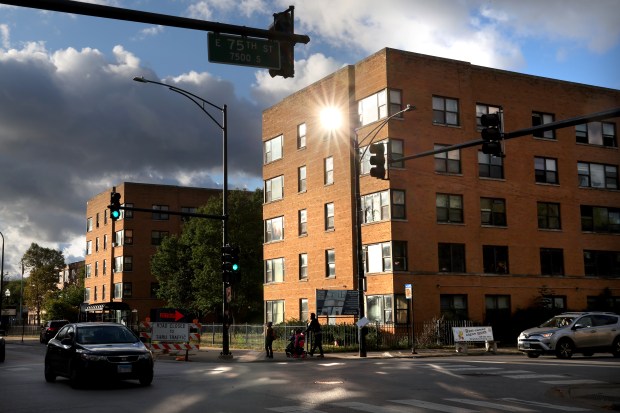


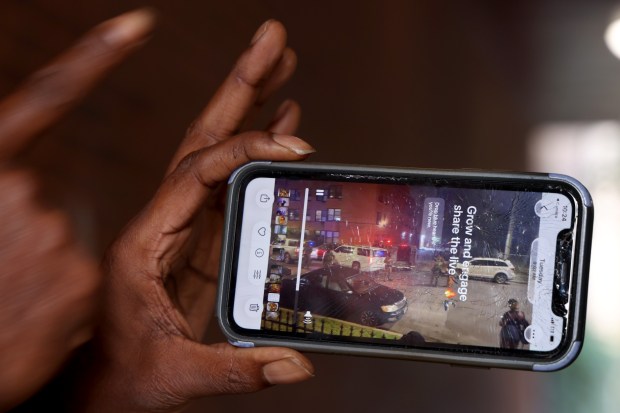



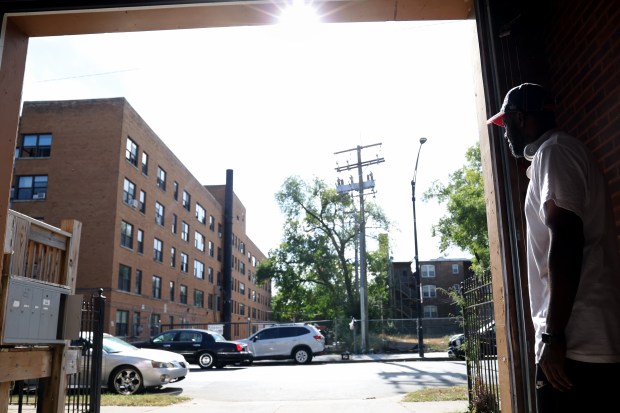

Nearly four months after the high-profile immigration raid of a South Shore apartment complex, Illinois officials are launching an investigation into claims that the building’s managers played a role in what became one of the most infamous moments of Operation Midway Blitz.
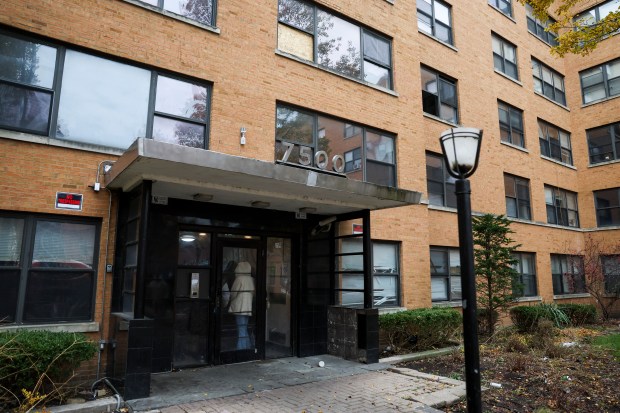
The Illinois Department of Human Rights on Wednesday filed a housing discrimination charge alleging the owner and management of 7500 South Shore Drive prompted the September raid by telling the federal government there were Venezuelan immigrants living in the complex who were “unauthorized occupants and had threatened other tenants.”
IDHR, in its charge filing, goes on to allege building managers tipped off federal officials to “intimidate and coerce the building’s Black and Hispanic tenants into leaving their apartment units, based on stereotypes toward Venezuelan immigrants.”
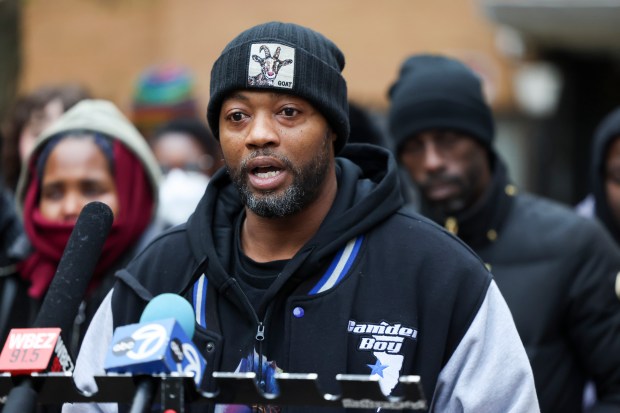
Jonah Karsh, of the Metropolitan Tenants Organization, called the state’s investigation a welcome step.
“These residents have been through hell,” Karsh, who formerly helped organize the tenants in the building, said. “They’ve been demanding accountability from the landlord, including for their potential role in the raid.”
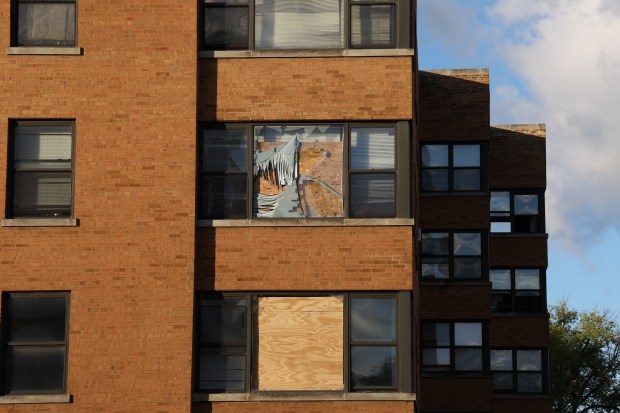
Three weeks into Midway Blitz — the Trump administration’s local mass deportation campaign last fall and early winter — agents dressed for combat rappelled from helicopters onto the roof of 7500 South Shore Drive. They broke through windows and stormed inside, where they crashed through doors and placed residents in zip ties and on buses or in the back of box trucks. Many Venezuelan migrants lived in the building and were taken in the raid.
Officials said at the time the operation was meant to target Tren de Aragua gang members. The Tribune reported exclusively in October that no public criminal charges had been filed against anyone in connection with the raid.
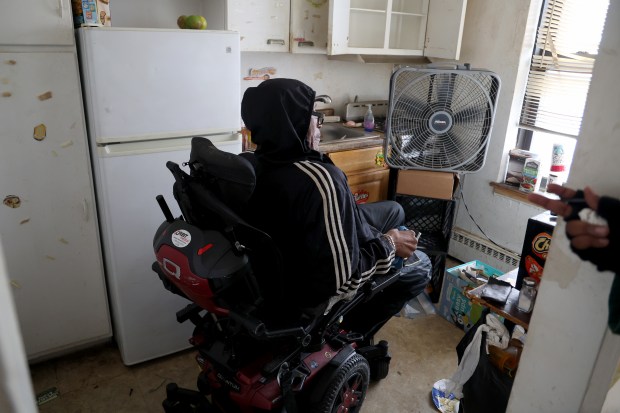
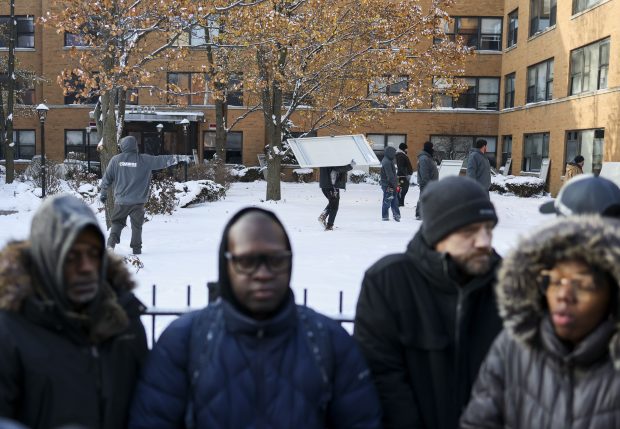
Meanwhile, the operation exacerbated a housing complex already in crisis, as deteriorating living conditions had plagued the building long before the agents arrived. Two months after the raid, the Circuit Court of Cook County issued an order mandating that any tenants remaining — who had formed a union in the wake of the operation — vacate the building by early December.
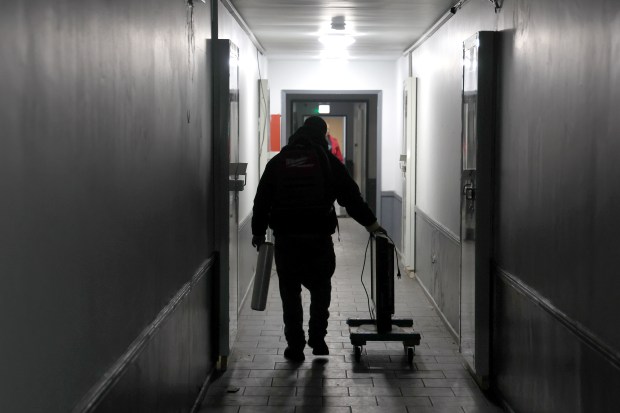
Despite a last-minute plea for more time, residents were forced to pack.
Last week, former resident Samantha Stamps, who police said had been experiencing homelessness since facing eviction, was reported missing, though family has since posted on social media that Stamps was found and receiving care in the hospital.
IDHR’s complaint was filed against 7500 Shore A LLC, Trinity Flood and Strength in Management LLC, which own and manage the building.
Attorneys for 7500 Shore A LLC and Trinity Flood did not return a request for comment. Strength in Management LLC also could not be reached for comment.
Among the allegations made in its charge, IDHR states federal agents “forcibly removed Black and Hispanic tenants from their apartments, detained and separated tenants based on their race, ancestry and national origin.”
Asked about IDHR’s complaint and new investigation, a Department of Homeland Security spokesperson stated, “This operation was performed in full compliance of the law.”
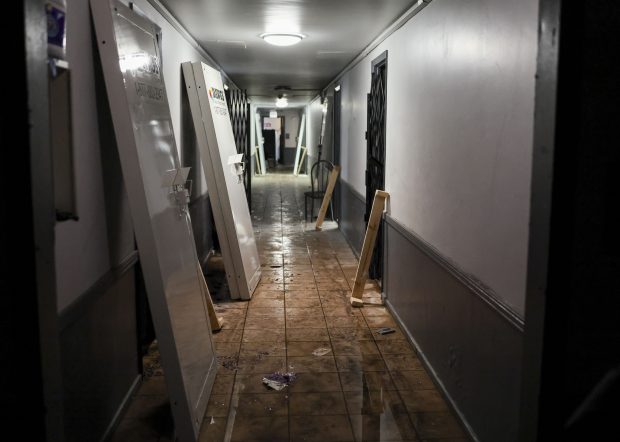
Residents, speaking with the Tribune after the raid, recalled witnessing agents leading zip-tied people to separate buses that night: one for migrants and one for Black people. The department also alleges that agents destroyed tenants’ belongings and “rendered their residences uninhabitable,” adding that within hours of the raid, workers employed or contracted with building management were “tossing tenants’ belongings in the trash and clearing out units vacated by the raid.”
IDHR further maintains in its filing that building management “perpetuated stereotypes about Venezuelan gang members to send a message that tenants born outside of the United States were considered gang associates, even if they were law-abiding.”
In the aftermath of the raid, it was unclear how many, if any, of the 37 people ultimately detained were gang members or associates.
The DHS spokesperson, in their statement to the Tribune, said that “two individuals of a Foreign Terrorist Organization were arrested at a building they are known to frequent.” The spokesperson, disclosing the arrests without further evidence, said they were “limited on further information we can provide.”
DHS did not respond to follow-up questions inquiring about more details, including the names and charges, of the two people the agency said were arrested and associated with a foreign terrorist organization.
In November, a federal judge ordered the release of hundreds of immigrants arrested through the blitz amid allegations that agents repeatedly violated a consent decree limiting warrantless arrests. Among those set for release were six Venezuelan nationals arrested in the controversial South Shore raid. The immigrants were deemed a “low” safety risk, indicating a lack of any serious criminal history in their background and no identifiable ties to gangs or other factors that would trigger mandatory detention.
However, a federal appeals court in December blocked their release, pending individual assessments for each detainee’s potential danger to the community.
IDHR charges that the alleged tip to federal officials was a pretext for discrimination against Venezuelan tenants and resulted in agents “terrorizing” the entire 130-unit building.
“All tenants of 7500 S. Shore, even those who were not Venezuelan, were predictably harmed by these discriminatory practices,” IDHR’s charging document reads.
Gov. JB Pritzker, in a statement, said of the charge, “These allegations of housing discrimination raise serious concerns for people struggling to maintain housing — and the communities that have been profiled and relentlessly targeted by the federal government during its violent immigration enforcement operations.”
The department-initiated charge does not mean that IDHR has already investigated or made any findings as to the alleged discrimination, the department stated in a news release announcing the filing. Rather, the charge just marks the start of a formal investigation. Should IDHR find evidence of discrimination, the department may file a complaint with the Illinois Human Rights Commission on behalf of those living in 7500 South Shore Drive at the time of the raid.
“The conduct alleged in this matter reflects more than isolated harm,” IDHR Director Jim Bennett said in a statement. “It describes a pattern of intimidation that reverberates through our communities.”
He added, “Illinois law is clear. Every person within our state is entitled to freedom from housing discrimination and to the protection of their dignity, rights, and personal safety.”