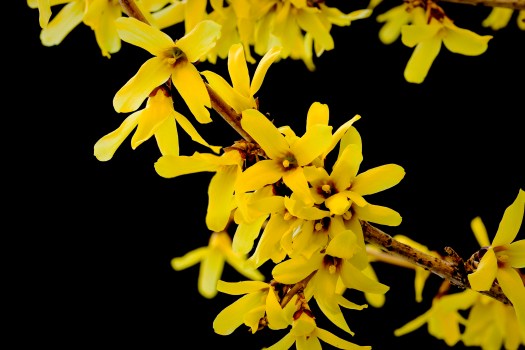

I have a lot of pruning to do in my garden this winter and would like some advice on how to force some of the branches into flower?
— Patty Harris, Riverwoods
Winter is a long season here, and I miss the colors of the gardening season. Pruning is a favorite gardening task of mine and I always try to bring some stems into the house to get a preview of some early flowers. There are several trees and shrubs that flower in spring that will work for forcing inside in late winter. I have not tried forcing branches in early February, but trying to do so is a good way to learn. It may take one to four weeks for the blossoms to open, with two weeks being typical. The closer to their natural bloom time that you cut the branches, the sooner they will open. A vase of blooming forsythia or lilac branches can brighten a room.
Use a sharp pair of pruners and be careful not to disfigure the shrub or tree while harvesting branches. The branches should be at least one foot long, full of fat flower buds, and cut on a day above freezing. Cut a few more branches than you expect to use because some may not absorb enough water and will not produce flowers. The branches you are pruning out now will reduce the spring flowers of the early spring flowering shrubs, which formed flower buds last year.
Place cut branches in a container of warm water and recut one inch from the base of the stem. This will help prevent air from entering the stem through the cut end, which can block water uptake. Remove any buds and twigs that will be underwater. Keep the branches in a cool room out of direct sunlight and change the water every other day. You could also add a floral preservative to the container water to help control bacteria and reduce the need to change the water.
Good choices for forcing this month include serviceberry (Amelanchier), magnolia (Magnolia), flowering quince (Chaenomeles), forsythia (Forsythia), crabapple or apple (Malus), flowering cherry (Prunus), pussy willow (Salix), spring-flowering witch hazel (Hamamelis vernalis), lilac (Syringa) and redbud (Cercis), cornelian cherry dogwood (Cornus mas) and fragrant viburnums.
For more plant advice, contact the Plant Information Service at the Chicago Botanic Garden at plantinfo@chicagobotanic.org. Tim Johnson is senior director of horticulture at the Chicago Botanic Garden.