
The Aurora City Council on Tuesday is set to vote on nearly $4 million in grants to various community organizations for projects centered on housing, opioid use prevention and more.
In total, Aurora city staff have proposed the funding of 66 projects at a total cost of around $3.9 million, with funds coming from a variety of federal, state and local sources. Of the different projects being proposed for funding, those related to housing are the biggest, according to Aurora Director of Community Services Chris Ragona.
“People are having trouble staying in their homes. People are having trouble finding housing,” Ragona said. “So, we have lots of different opportunities.”
One of the larger projects to be funded through the grants, which was proposed by The Neighbor Project, would build affordable housing on vacant or unused lots. The infill home program, as it is called, would receive a $320,000 grant if the proposals are approved by City Council at its meeting on Tuesday.
The idea for the program, which is being considered a pilot, is to build modest homes that fit the character of the neighborhood they’d be located in, according to Ragona. Then, those homes would be sold, he said, and the money reinvested into the program to build further homes.
The Neighbor Project already owns some vacant lots, as does the city, Ragona said.
Money for the grant would come through Aurora’s Affordable Housing Solutions fund, which is supported by the city’s tax on gambling. Last year was the first that projects were given grants through that relatively-new fund.
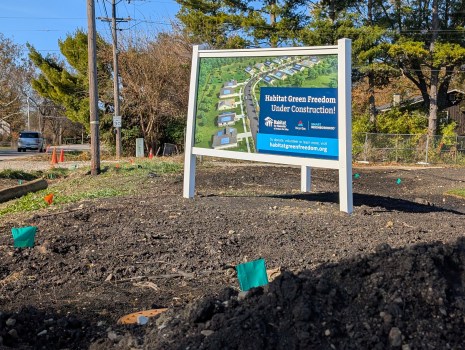
Another project looking to get a comparatively large amount of funding from these grants is the construction of a “smart neighborhood” being developed through a partnership between Nicor Gas and Habitat for Humanity. Habitat Green Freedom, which is being built near the intersection of Jericho Road and Edgelawn Drive, is planned to one day hold 17 homes designed with energy efficiency, affordability and resiliency in mind.
If approved by the Aurora City Council, the city would be giving that project a grant for $560,000 to build four of the neighborhood’s homes. Funding would come from the federal HOME Investment Partnerships Program, which allocates Aurora a certain amount of money each year to give out grants like this one.
Aurora already set aside $725,000 to help the project, Ragona said, so in total Aurora will help fund the construction of eight homes.
Other housing-related projects proposed to be funded include grant programs to help people make critical repairs and accessibility upgrades to their homes, educational programs designed to make people aware of affordable housing, transitional housing services and a program designed to prevent eviction or foreclosure, according to various proposal documents included online with the agenda for Tuesday’s Aurora City Council meeting.
Each year, Aurora’s Community Services Department accepts proposals from local organizations that would like to receive city funding for projects across areas of focus like affordable housing, providing for residents’ basic needs, education, mental health, public safety, seniors and more. Those proposals are taken in and reviewed by city staff, who typically present their recommendations for funding to the Aurora City Council all at once.
“We are trying to tackle a lot of different issues that the city is facing,” Ragona said. “We know we’re not going to be able to solve everything, so we’ve tried to diversify.”
The proposals going before City Council on Tuesday are this year’s version, and they are set to be funded through three different federal sources, a state program and two city initiatives.
Through one of the federal sources, the Community Development Block Grant, Aurora is looking to distribute $1.4 million to local organizations for a total of nine projects. Those organizations include CASA Kane County, Hesed House, Mutual Ground, Loaves and Fishes, Senior Services Associates, Rebuilding Together Aurora and The Neighbor Project.
The Habitat Green Freedom project is the only project that would be funded through the standard HOME program — but using an offshoot of the program through the pandemic-era American Rescue Plan, Aurora looks to fund AID’s street outreach services and VNA Health Care’s comprehensive health care services, which are both aimed specifically at helping people who are homeless.
Although the city’s federal funding has been decreasing each year since around 2018, these grants have not been impacted by any of the Trump administration’s efforts to withhold federal dollars from certain programs or states, according to Ragona. He said that the city “should be good for 2026.”
Around $203,000 of the grants would be funded through money the state received from opioid settlements and is passing along to communities including Aurora. The three grants being proposed would go to East Aurora School District 131, Family Guidance Centers and Kane County to focus on addressing the impact of opioid use through mental health care and the like.
A large number of the grants being proposed would be funded through the city’s tax on gambling through two different programs: the Quality of Life Grants program and the Affordable Housing Solutions Fund.
Of the total 66 programs being proposed by Development Services staff, 45 would come through the Quality of Life Grants program. These $863,000 in grants would go towards projects ranging from the Quad County Urban League’s Economic Empowerment Center to the Ladder Up’s tax assistance program, and from the Aurora Area Interfaith Food Pantry’s “Pantry 2go Program” to the RITAS Ministries’ prisoner reentry services.
Aurora’s Affordable Housing Solutions Fund, in addition to The Neighbor Project for its Infill Home Program, is also proposed to fund Prairie State Legal Services, the DuPage Federation, HOPE Fair Housing Center, Fellowship Housing and Stable-Able. In total, $550,000 of the grants are proposed to come from the city’s affordable housing fund.
In general, projects are recommended for funding because they help the city work towards the goals laid out in the many plans Aurora has, such as its five-year consolidated plan, its affordable housing plan and others, according to Ragona. The number of applications Aurora gets each year seems to be going up, as is the number of people needing assistance, he said.
“We’re choosing to try and spread our money to address what is a very diverse, complex set of problems for folks in our community,” Ragona said. “Maybe we’re having a smaller impact in each of those areas, but we are trying to strategically invest.”
Aurora is set to start taking applications for next year’s round of funding around the end of the summer, about the same time that applications were accepted last year. The city has been working to make the application process smoother, Ragona said, and that work continues this year.
Although he recognizes that he’s been promising this for a few years, Ragona said that the city will hopefully be bringing its application process online this year, because right now its still all paper-based. Putting things online will hopefully make things more efficient for the city and for those who apply for and receive grant funding, he said.
rsmith@chicagotribune.com