
Like many Chicagoans, I have been watching the latest round of drama unfold as the Chicago Bears seek concessions from the city and state to keep their stadium here.
Sadly, this is not the first time we have seen this movie.
In the 1970s, amid disputes over Soldier Field and stadium conditions, the Bears raised the possibility of leaving Chicago and explored alternative sites — including options outside the city — as leverage in negotiations.
At the time, my father, William R. Quinlan, was corporation counsel under Chicago Mayor Richard J. Daley. When asked about the Bears potentially leaving, the mayor’s response was to say that if the team left, it could not take the “Chicago” name with it. The name belonged to the people of Chicago. The mayor then gestured to my father and said, “Isn’t that right, Bill?”
The Bears didn’t leave then. And they shouldn’t leave now.
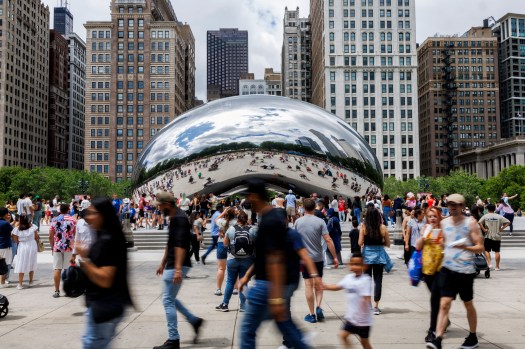
No one wants to wake up one day to the “Chicago Bears of Hammond.” It makes me a little sick even typing that.
But the question remains: Should taxpayers subsidize a plan to keep the team?
The city has already given the Bears a favorable lease at Soldier Field. Now the team says it wants more — its leaders want to be the landlord, not a tenant, and they want financial assistance.
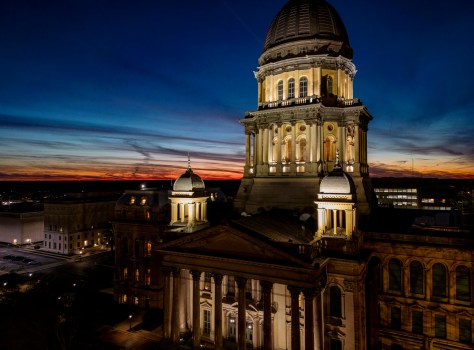
But Chicagoans already pay too much in taxes and fees. Raising them further is not just unpopular — it’s counterproductive. We might keep the Bears but drive more of our own residents to watch games from the suburbs, or worse, from some more tax-friendly state such as Florida or … Indiana.
The city should be willing to offer the Bears some concessions to keep them in Chicago but not on the backs of taxpayers. No property tax hikes. No sales tax increases. If there are concessions, they should be targeted as entertainment taxes on corporations buying premium suites or hotel-related revenues tied directly to games and events.
More importantly, if the public gives something to keep the Bears, the public should certainly get something of value in return.
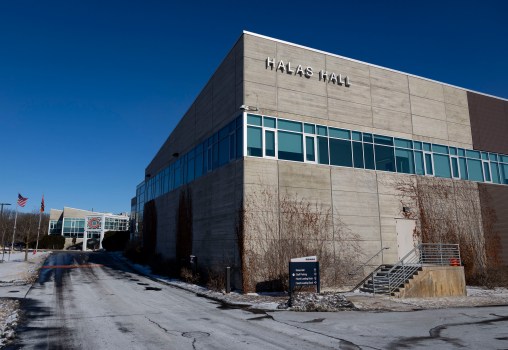
My proposal, which is informed by touring city neighborhoods and listening to residents in my campaign outreach through Leading a Better Chicago, is simple and strategic: In exchange for any meaningful concessions, the Bears should agree to move Halas Hall and their football operations from Lake Forest to the city of Chicago.
Put the Bears’ headquarters, practice facilities and day-to-day operations in the city and make it a fan destination. What that would look like in action:
• Real economic development in the city.
• Tourism opportunities for year-round activity from practices, camps and special events.
• Players actually living in Chicago instead of commuting from the northern suburbs.
This kind of proposal is what a deal for the people of Chicago should look like: creative and rooted in long-term value, not short-term political wins or two-year plans built around the next election or the next ambition.
The Bears want something from us, but we should be just as clear about what we want from them.
Just a thought from the son of someone who helped deal with this issue one of the last times the Bears threatened to head east.
Bill Quinlan is a Chicago attorney and the founder of civic advocacy group Leading a Better Chicago.
Submit a letter, of no more than 400 words, to the editor here or email letters@chicagotribune.com.