


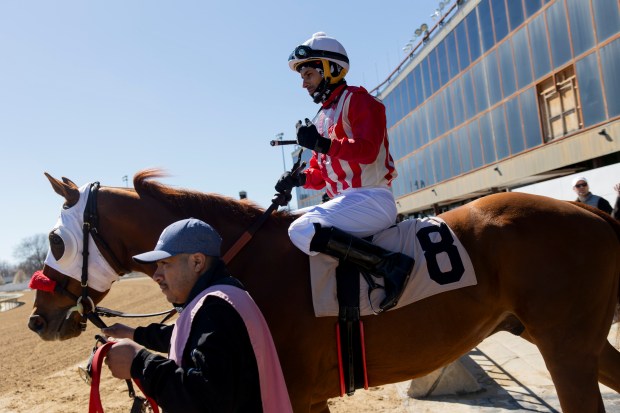
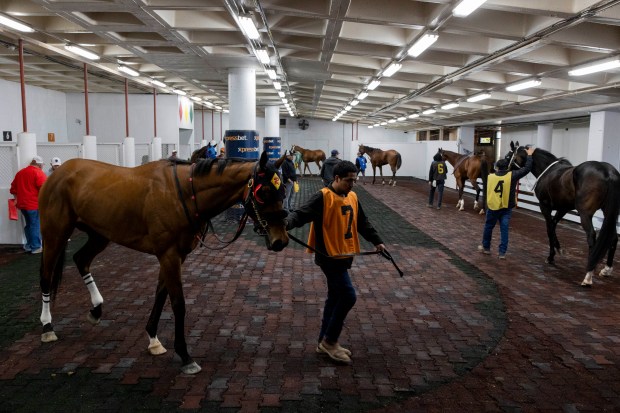


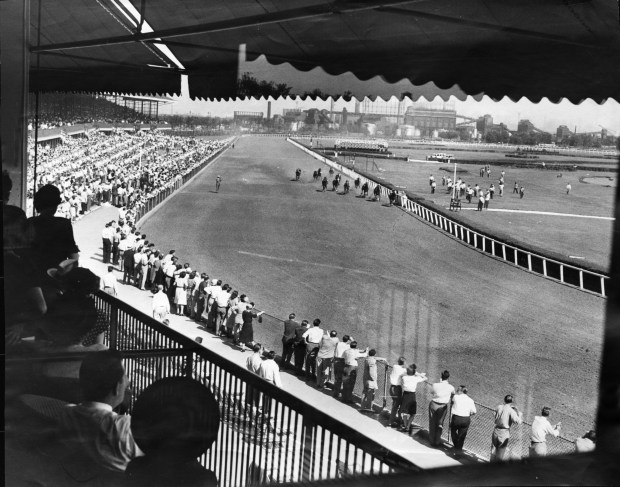
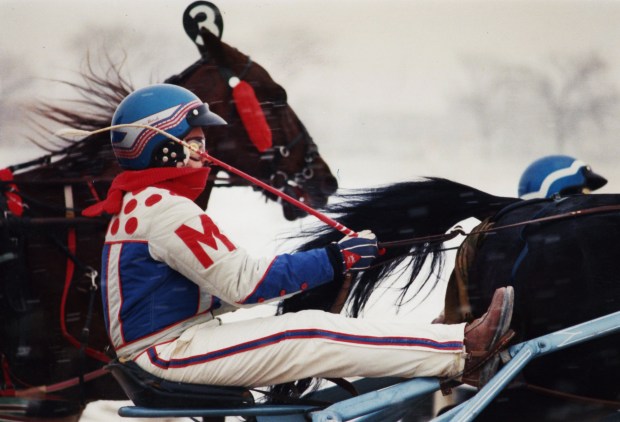
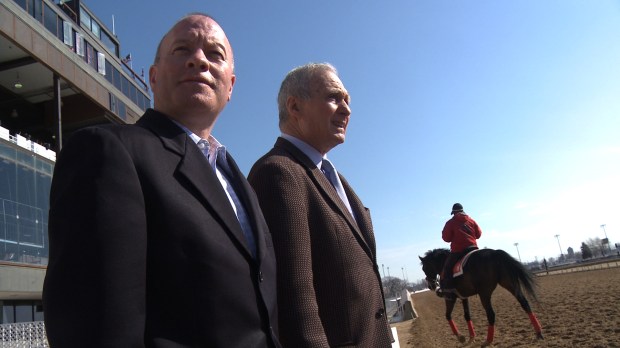


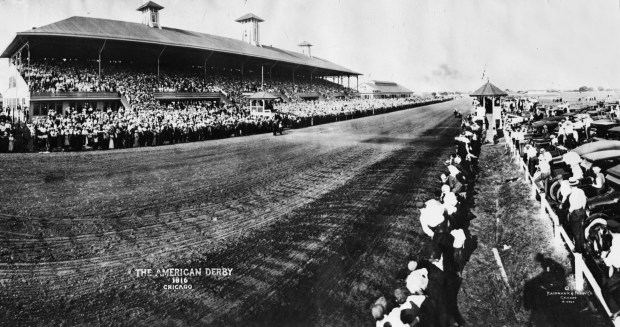
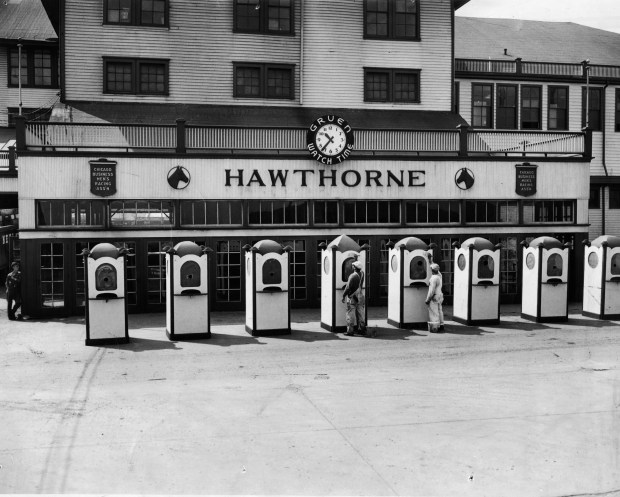


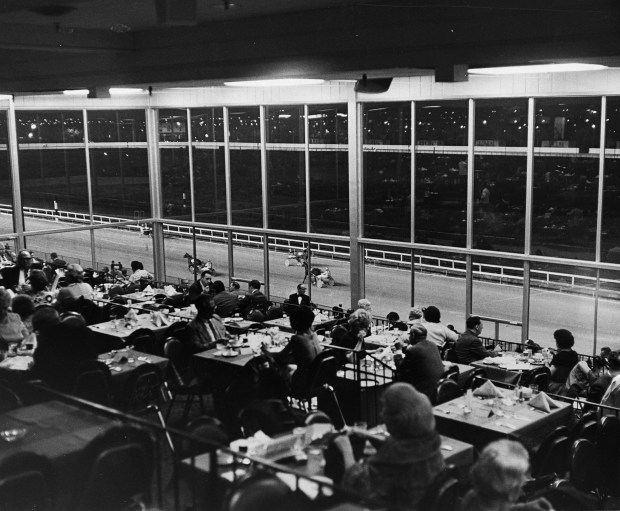

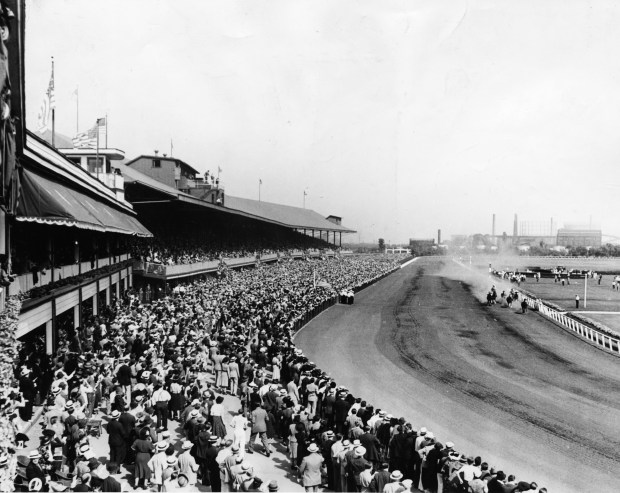
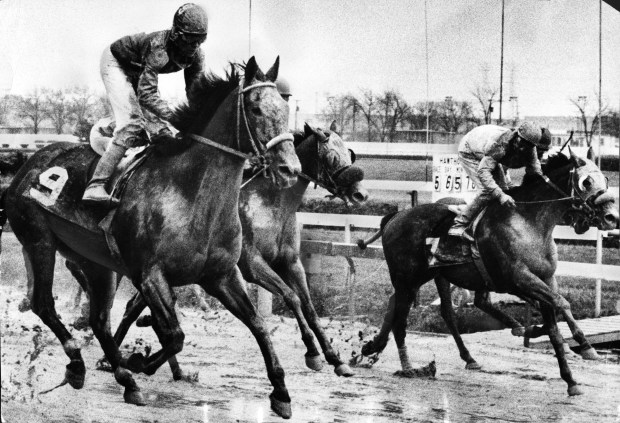

After years of financial turmoil, Hawthorne Race Course filed for Chapter 11 bankruptcy in Chicago on Friday in an effort to restructure the 135-year-old institution’s debt, save dozens of jobs and, in the long run, rescue the state’s dying horse racing industry.
With the filing, Hawthorne is seeking to reorganize, ultimately intending to attract a buyer or investor willing to recapitalize the company and restart operations, according to a news release from a public affairs firm representing the racecourse.
“This is a difficult day,” Hawthorne President and CEO Tim Carey said in a statement. Yet, he continued, “filing for reorganization is the right thing to do for the Illinois horsemen and for our employees and their families.”
The filing comes after the Illinois Racing Board suspended Hawthorne’s harness racing license due to its financial difficulties. The track in west suburban Stickney was unable to open the first weekend of the year because it failed to get surety bonds.
Meanwhile, despite ongoing strain, course officials a month ago, again, said they were close to a financing deal for a new casino, an option that has long been on the table for the track.
Carey, in backing Hawthorne’s bankruptcy filings, pointed to the fraught “racino” venture, alongside its attempt to “continue its struggling operation while also supporting the entire horseracing industry in Northern Illinois,” per Friday’s release.
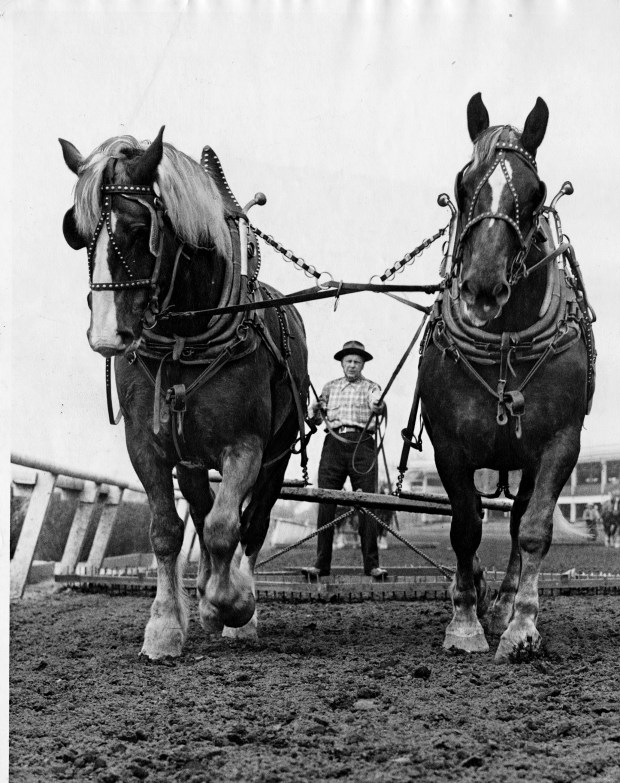
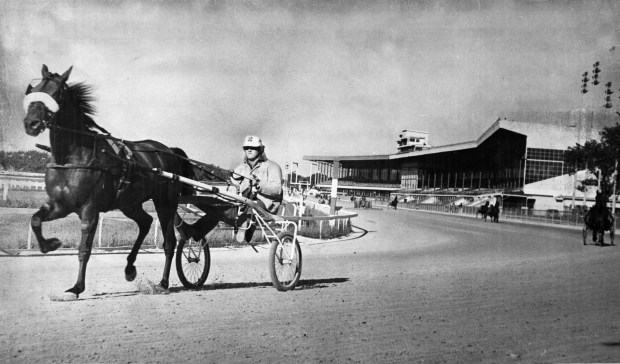
Since Churchill Downs Inc. outraged the racing world by closing Arlington International Racecourse in 2021, Hawthorne has been the only place to race in the Chicago area. That meant thoroughbred and harness racing have had to share the track, taking turns with each style of racing. That requires a costly and time-consuming change of the track surface each time, and leaves each type of racing out of action for months at a time.
The track was scheduled to switch from harness racing to thoroughbred racing in March. Illinois Thoroughbred Horsemen’s Association board President Chris Block, at an Illinois Racing Board meeting last month, said his greatest fear would be that they would start the meet only for Hawthorne to go bankrupt and close. That, he said, would be a “catastrophe,” because it would be too late for owners to race elsewhere this year.
The thoroughbred association reported a significant decline in betting at Hawthorne in 2025, to $51 million, down from a handle of nearly $90 million in 2024, mostly from a drop in out-of-state simulcast betting and a reduction in purses from nearly $11 million to $8 million.
Hawthorne also temporarily halted its off-track betting on the Kentucky Derby last year after a dispute over payments to Churchill Downs Inc.
As for the racino, when state lawmakers expanded gambling in 2019, they gave Hawthorne the exclusive opportunity to open a brick-and-mortar parlor at its track, and another racino in the south suburbs, with veto power over any other proposal in the area.
What’s followed has been six years of failed promises to bring the proposal to fruition. In response to Hawthorne’s failure to open a racino, the state Senate in November gave bipartisan support for a bill to rescind Hawthorne’s veto power and to allow a new track in downstate Decatur as well. The House may take up that bill in its current session.
Filing for bankruptcy became necessary as Hawthorne’s relationship with its lender and other creditors eroded, which led to a series of setbacks — including the inability to continue the harness racing season.
At last month’s board meeting, Illinois Harness Horsemen’s Association Executive Director Tony Somone said the group had been contacted by 66 people regarding more than $582,000 in bounced checks.
“This money … is how we pay our bills,” Somone said. “Not only the feed man and the vet but how we pay our mortgages, how we make our car payments. This is what we use to live on.”
In addition, Somone claimed that Hawthorne owes the horse operators almost $700,000 in racing entry fees and a state grant that the track keeps in an account for the horsemen.
“It’s not Hawthorne’s money,” he said. “It is the horsemen’s money.”
Reorganization will focus on maximizing recovery to the company’s creditors, as well as paying accrued purses to the Illinois horsemen and payroll to track employees. Carey said Hawthorne employs over 250 people, with its longest-tenured employees having spent 52 years at the track.
Hawthorne hopes to appear in federal bankruptcy court in Chicago next week to secure debtor-in-possession financing to fund its restructuring.
The Tribune’s Bob McCoppin contributed.



