















The arrests of two people in the infamous overnight raid of an apartment building in South Shore were among more than 30 Operation Midway Blitz cases where immigration agents violated a 2022 consent decree limiting so-called warrantless arrests, a federal judge ruled Friday.
After a lengthy oral ruling, U.S. District Judge Jeffrey Cummings ordered that some 36 detainees be released on their own recognizance, without having to post bond, by no later than noon on Thursday. At least some of those included in the order have already been released or deported for different reasons, but it was unclear how many.
In his ruling, Cummings found that in case after case, agents conducting immigration enforcement during Operation Midway Blitz had either not provided justification for their assessment of flight risk or filed faulty field warrants known as I-200s.
The judge said the narratives in the agents’ reports in the cases he reviewed often conflicted with “boilerplate language” added later that attempted to justify the arrests.
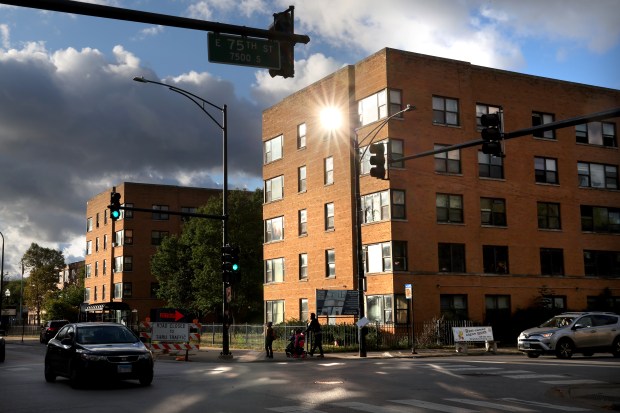
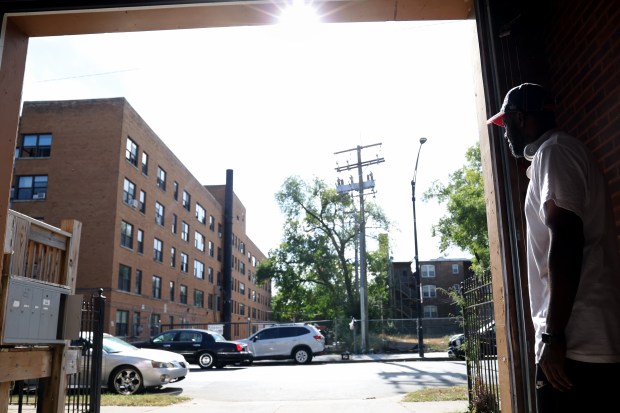
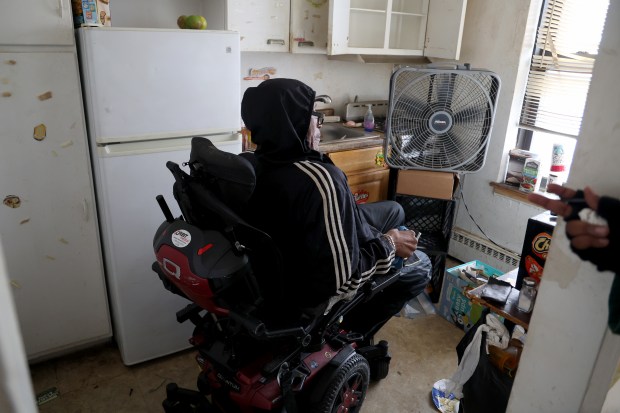
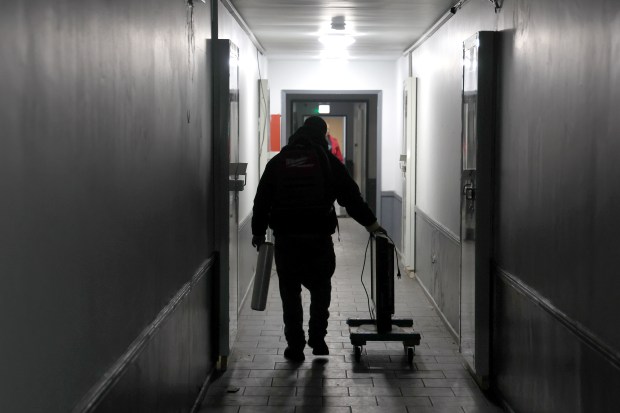
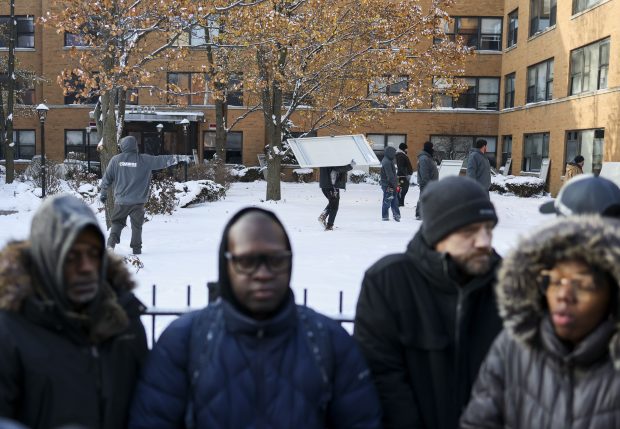
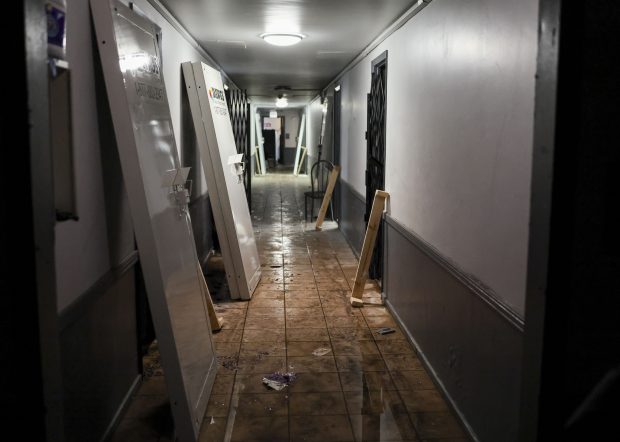
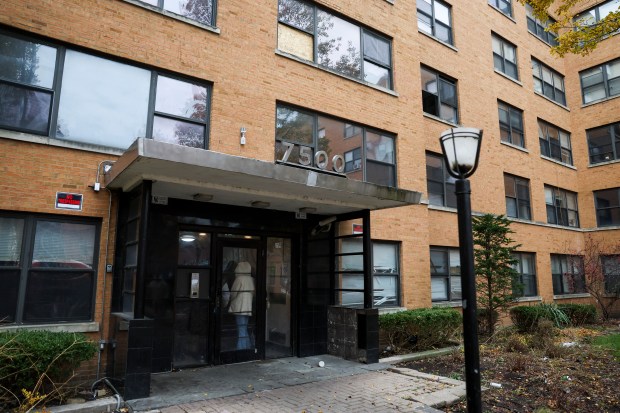
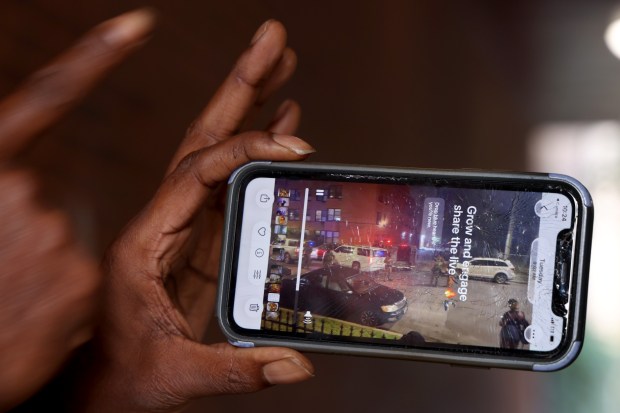
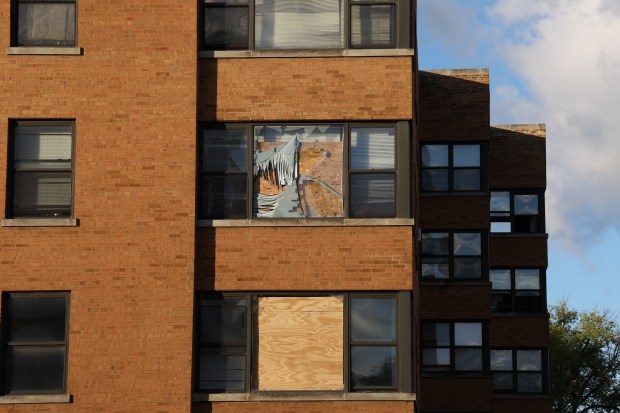
That’s what happened in the case of Jose Miguel Jimenez and Jeickson Delgado Avila, both undocumented immigrants who were living at the building at 75th and South Shore Drive when it was raided on Sept. 29 by agents who rappelled from helicopters and smashed in doors.
Cummings noted that in their reports, agents said they had been given permission to enter the building by the landlord, but did not have warrants targeting any specific individuals. Neither Miguel Jimenez nor Delgado Avlia had any felony criminal record or presented any risk to flee, yet were improperly subjected to “warrantless arrest,” the judge said.
Among other arrestees singled out by Cummings on Friday: a day laborer apprehended while sitting at a CTA bus stop, which the Department of Homeland Security said made him a risk of flight; a man with bad knees who agents said tried to run from them, yet was shown on surveillance video walking calmly to their car; and a delivery driver who was pulled over in his marked Amazon truck in Glenview.
“Being arrested while driving a vehicle as a delivery driver actually shows his employment and that he has a reason to stay around and work,” Cummings said of the Amazon employee, Carlos Ramirez-Fernandez, who had a valid employment authorization card and is the father of a 2-year-old child who is a U.S. citizen.
The judge did rule in the government’s favor in about a dozen cases where I-200 field warrants had been issued. But in other instances, he found that the warrants were defective, including some where signature lines were whited out, the box marking “probable cause” was left blank, or even where the agents’ own narrative described an arrest as “collateral,” which means without a warrant.
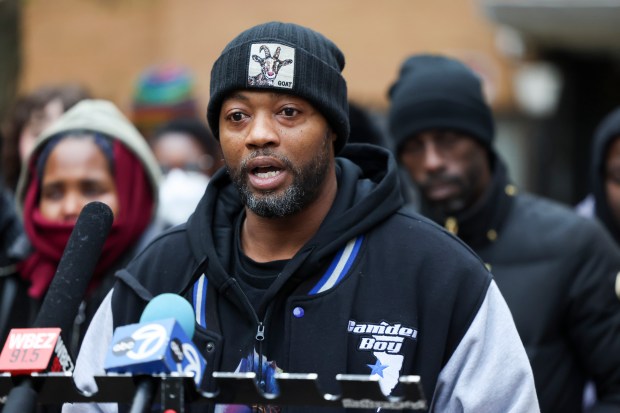
Mark Fleming, an attorney for the plaintiffs, told reporters after the three-hour hearing the judge’s ruling showed “that hundreds if not thousands of arrests during Midway Blitz were violations not only of the consent decree but also federal law.”
Fleming said his team was still fighting to get information on about 350 people who remain in custody in the U.S., although the government has so far failed to produce a master list of arrestees dating back to June, as ordered by the judge.
Thousands of others who may have qualified for relief have chosen to either self-deport or been otherwise removed from the country while the case has been pending.
Cummings’ ruling was made as part of a 2022 consent decree known as the Castañon Nava agreement, which bars agents from making warrantless immigration arrests unless they have probable cause to believe someone is in the U.S. unlawfully and that the person is a flight risk.
It was originally supposed to sunset in March 2025. Instead, after the second Trump administration began ramping up immigration enforcement efforts in January, lawyers for the National Immigrant Justice Center and ACLU alleged dozens of violations, mostly involving “collateral arrests,” or the detaining of individuals who are not targets.
In his Oct. 7 order extending the consent decree until February, Cummings said Immigration and Customs Enforcement had improperly told its field offices over the summer that the consent decree had been canceled. He also called into question the South Shore raid, where agents in military gear burst through doors and zip-tied residents regardless of citizenship.
Cummings took particular issue with a practice by ICE agents of carrying blank I-200 warrant forms with them on missions and filling them out at the scene.
The 7th Circuit U.S. Court of Appeals in December ruled in a split decision that Cummings overstepped his authority in ordering the release of people arrested with I-200 warrants, and issued a stay on that aspect of the case.
The appeals court said Cummings also erred in issuing a blanket order granting bond to other detainees who’d been arrested without judicially approved warrants, saying that each individual needed to be assessed for potential danger to the community.
Since then, attorneys have been bringing cases to Cummings in batches. Earlier this month, the judge ordered the release of a handful of detainees that both sides had agreed were violations of the consent decree.
Even with Friday’s ruling, there are a number of other alleged violations to sort through before the consent decree can be dissolved.
jmeisner@chicagotribune.com