Less than a year from now, Chicago Public Schools for the first time will be overseen by a fully elected school board. Following November elections, 21 individuals will undertake the daunting task of funding and running a massive school system drowning in debt and facing a highly uncertain future demanding the making of difficult decisions.
As of now, the job pays nothing.
Legislation pending in Springfield would allow — but not require — CPS and other Illinois school districts to pay board members for their service. We think state lawmakers should change the law to allow for compensation in school boards across the state, but with guardrails to prevent exorbitant and unaffordable practices like providing pensions to board members.
The issue is particularly acute in Chicago. Springfield moved in 2021 to wrest control of Chicago’s public schools from the mayor and hand it gradually to an elected school board. This page opposed the move back then, arguing that public schools, which account for more than half of the ever-increasing property tax bills paid by Chicago residents and businesses, belonged under mayoral control.
That ship long ago sailed, and here we are — on the precipice of a fully independent school board.
So it behooves Chicago to give those board members the best chance possible to put CPS on a sustainable course, both financially and in terms of its educational performance.
It’s asking a lot — too much, we would argue — for these individuals to run in what will surely be a highly contentious election, only to then serve up to four years without compensation. The district teeters on the edge of insolvency in the face of a mayor and his main backer, the Chicago Teachers Union, staunchly opposed to consolidating any schools even though a third of them are at less than half their student capacity.
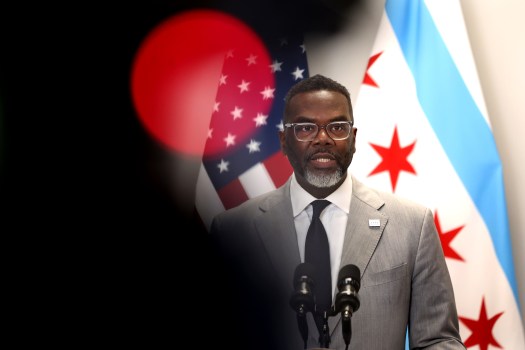
Over the course of Mayor Brandon Johnson’s term, CPS has lurched from budget crisis to budget crisis, able only to muddle through due to record-breaking mayoral declarations of tax-increment-financing surpluses. These budget maneuvers are one-year solutions and do nothing to solve CPS’ structurally imbalanced budget.
Even if Johnson wins re-election next year — and he has been somewhat coy about whether he intends to run — he no longer will be able to appoint any of the board members. Under state law, the mayor currently appoints 11 of the 21, including the president of the board.
CTU, which managed to vault its former organizer, Johnson, into the mayor’s office in 2023, likely will pump millions into this year’s school board races after spending $2.1 million in 2024 on just nine contested races. Business interests and wealthy donors, after also spending heavily in 2024, will be deeply invested.
In other words, the 2026 school board races will rival the mayoral election in 2027 in importance to the future of Chicago. Shouldn’t we be encouraging the broadest possible field of candidates?
In the first two years under this sprawling school board made up of a combination of elected and appointed members, the job has proven to be involved and intense. Budgets now are annual slogs. Additionally, in the past year, board members have spent countless hours searching for a permanent CPS superintendent only to watch the process melt down as applicants withdrew their names and CTU and the mayor meddled.
We hope there will be no further attempts to hire a long-term CPS leader until the fully elected school board is in place — a position shared now by most of the elected board members. If that’s the case, board members’ jobs will be equally as time consuming next year.
This isn’t your father’s school board anymore, when mayoral appointees essentially rubber-stamped what the Fifth Floor desired. In that setup, maintaining the role as voluntary made sense. In addition, the majority of the nation’s 10 largest school districts pay their board members.
Still, even in this brave new world, we’re not in favor of paying Chicago school board members like they’re aldermen or state legislators, who get salaries starting at $98,000 and pensions to boot. Stipends of $25,000 or $50,000 seem about right. And, in other parts of the state, keeping school boards unpaid in many cases will be justified.
But, in that rarest of instances where we agree with CTU, the Chicago school board shouldn’t be strictly a volunteer position going forward. The demands on Chicago’s future elected school board members will be significant, and we want the strongest possible group of candidates to run.
Submit a letter, of no more than 400 words, to the editor here or email letters@chicagotribune.com.