
White mushy larvae known as grubs are taking over Lincoln Square neighborhood parks just as warmer weather sets in — again.
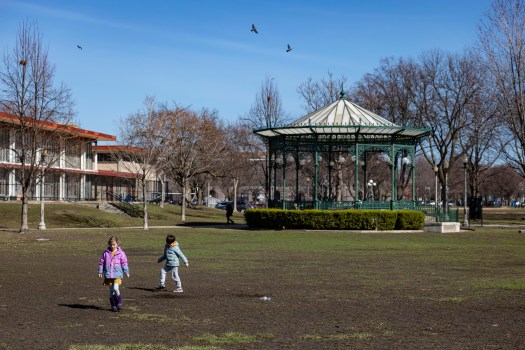
The Chicago Park District discovered a grub infestation in Winnemac and Welles parks while evaluating fields for the season, Chicago Park District said in a March 9 letter to stakeholders.
Around mid-April, a landscape contractor will treat the park grubs and reseed the grounds, with fields closing for eight to 10 weeks after that as the grass grows again, the Park District said in the letter.
Officials aim to reopen the fields and baseball diamonds on June 1 in Winnemac and July 1 in Welles, and are looking for alternative sites for the youth baseball leagues and CPS high school sports, the district said.
But sports games are likely to be moved elsewhere for much of the spring season, frustrating the parents of over 2,000 kids registered in baseball and softball leagues at Welles Park Parent Association, a volunteer organization for youth baseball and softball.
“There’s probably just some disappointment — ‘Hey, this is what I thought it would be and now it’s not,’” said Joseph Negussi, WPPA president, who said the Chicago Park District has been a “great” partner to work with.
Some people are upset because the notice came just as the league was about to start its spring season mid-April. Now they may have to travel farther to drop their kids off for games at nearby replacement parks, which haven’t been determined yet.
“No one’s happy about it, of course, but we’re gonna make the best of it,” Negussi said.
Grub infestations aren’t new to the 15-acre Welles Park. They were most recently a problem in 2023, recalled Negussi, who had hoped they wouldn’t return after the treatment that time.
“It’s happening again, three years later,” he said. “We just want to make sure that it doesn’t happen again.”
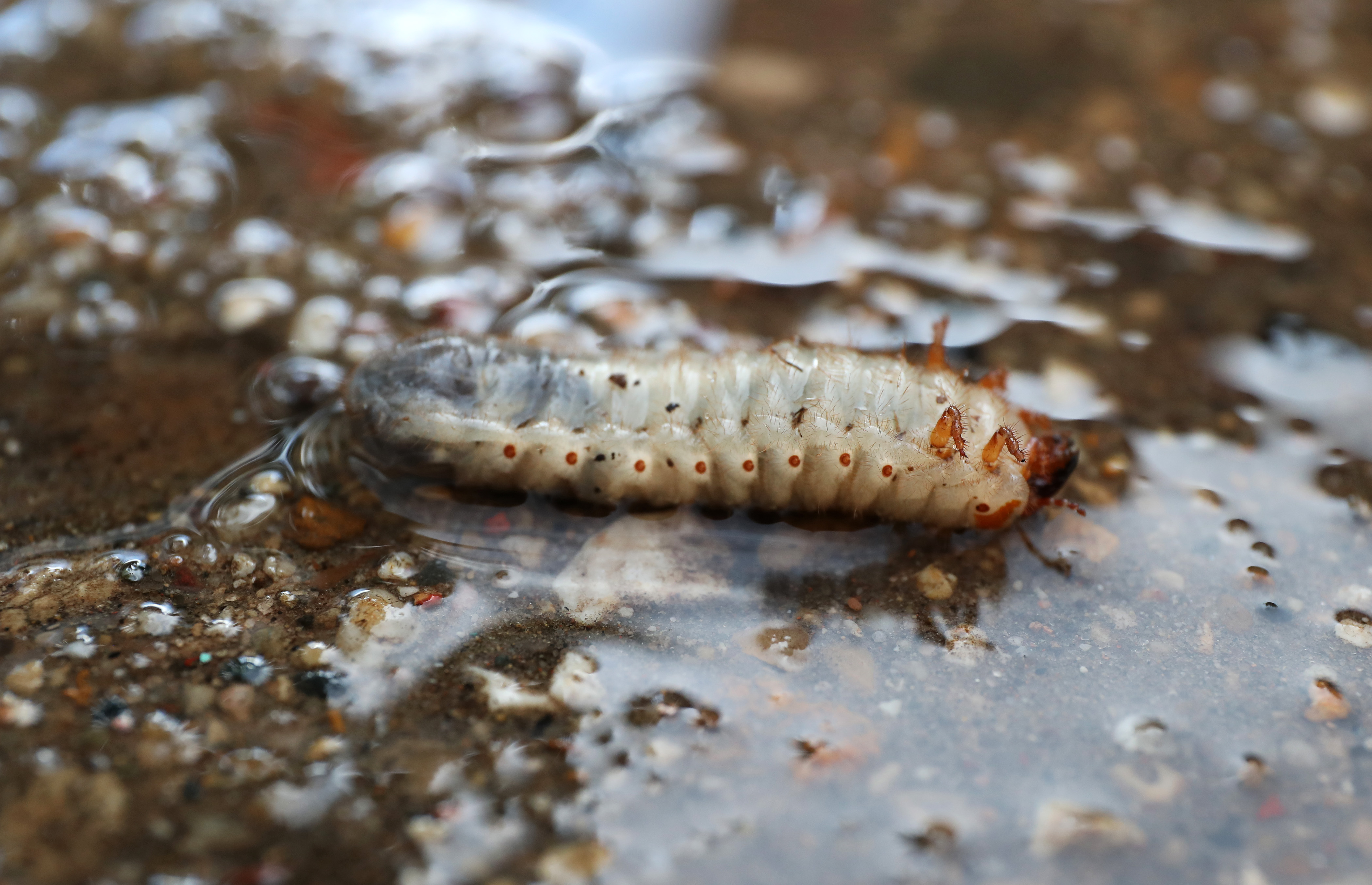
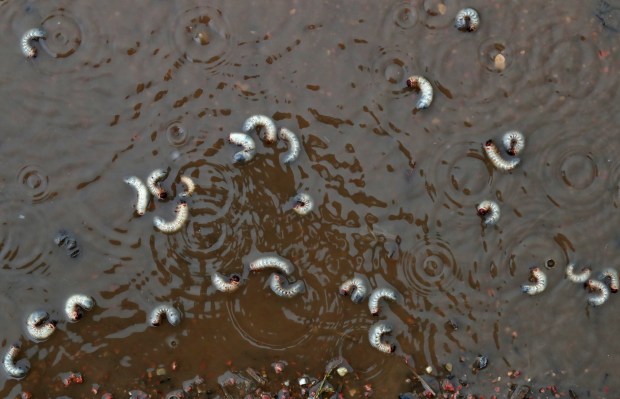
Grubs were also confirmed in some areas of Humboldt Park and Williams Park, the Chicago Park District told the Tribune.
Located at the northwest corner of Lincoln and Montrose avenues, Welles Park offers fields for baseball, football, softball and other sports. Winnemac, located at 5100 N. Leavitt St., is part of a school-park campus program and offers youth programs like basketball and summer day camp, according to the park website.
Grubs are C-shaped, white beetle larvae that grow underground during the winter and, like an unwelcome flower, sprout during spring and summer seasons. The most common species in Chicago are Japanese beetles and green June beetles, said Christopher Dietrich, an entomologist at the Illinois Natural History Survey.

Grubs themselves are usually not an issue for homeowners with grassy lawns, but skunks and raccoons dig holes to eat the larvae, which can turn lawns into “minefields,” said Rebecca Fyffe, director of research at Landmark Pest Management.
“Raccoons and skunks are digging holes next to each other until it’s just little holes and there’s no lawn left,” said Fyffe about the grub feasts of small mammals that “can turn a beautiful lawn into a big mud patch.”
Fyffe said she gets about three to five calls each day from June to October from people in the Chicago area concerned about the holes in their lawns, especially green and well-irrigated lawns. In parks, the 5-inch-deep holes and mud can interfere with sports activities.

But grubs are also important for the ecosystem, helping sustain the area’s bats — crucial to controlling insect populations — which feed off the mature larvae, also known as June bugs, Fyffe said.
“I can’t stress how important these grubs are as part of a healthy ecosystem,” Fyffe said.
Since grubs are not considered a structural pest, owners who want them gone can spray an insecticide such as Trichlorfon or hire a landscape contractor to assess the situation.
Experts say there’s no research to suggest grubs are becoming more common, but Dietrich believes recent heavy rain might make them more visible to parkgoers, who may see them emerge. Similarly, recent droughts may cause the insects to lay more eggs in healthy-looking lawns instead of in natural vegetation.
Warmer temperatures due to climate change might be affecting grubs, said Fyffe, who is seeing more uncommon arthropods like black widow spiders in Chicago than in past years. But so far, grub calls remain consistent with prior years.