As part of a larger plan still in the very early stages of development, Aurora is considering turning the old Post Office and former SciTech museum building downtown into a cultural arts center.
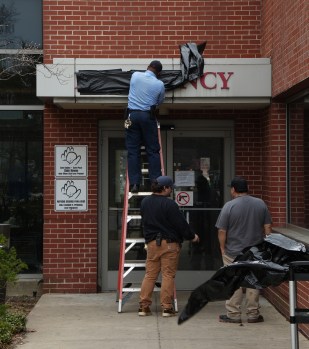
The city-owned building at 18 W. Benton St. has sat empty since SciTech, which had been in the building for over 30 years, moved out in 2022. Aurora asked SciTech to leave so that it could privately develop the building, and at the time, city officials said one interested developer was proposing turning it into a brewery.
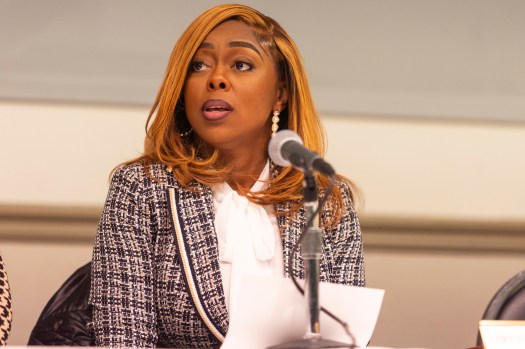
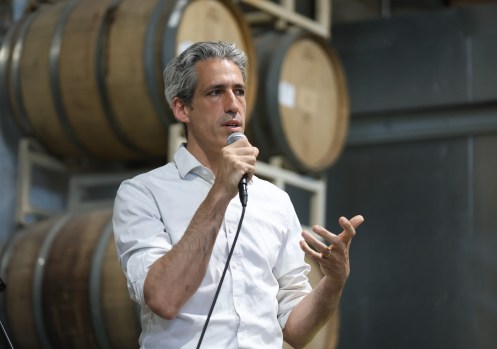
But during Mayor John Laesch’s campaign last year, he spoke about turning the building into a cultural arts center. Nicole Mullins, who Laesch picked to lead the city’s Community Services Department, said that she shares the mayor’s vision for the building.
“I was happy to see that the mayor was on the same page with what I personally felt as a community member and what I heard from a lot of other community members,” she said.
Before coming up with more firm plans for the building, the city is looking to hear from the community about what their needs are, Mullins said. She doesn’t want to duplicate anything that’s already being done, she said, but she does want the building to be a “really cool space” for the community.
The city has heard that the SciTech museum closing left a gap of family activities in downtown, and that people want non-monetized spaces, she said. Now, she wants to collect as much feedback as possible to make that space have the biggest impact.
Input about what the community wants to see in the building will be gathered during the development of a city-wide cultural plan, according to Mullins. She said that the formal public input process will hopefully begin next month, with surveys and listening sessions, but that her department has been doing some research and collecting informal feedback through one-on-one conversations with those who attend various events.
When asked about the building, Laesch said that it was “very premature,” but that there had been some early internal talks about possibly creating a streaming entertainment tax to fund the building’s conversion into a cultural arts center.
However, he stressed that his first priority will be to look at city revenue this summer to try and restore some of the staffing positions that were cut in this year’s budget. Both he and Mullins said there were no funds set aside in this year’s budget for any major changes to the building.
Aurora could look to Water Street Studios in Batavia as a model for the building, according to Laesch. He mentioned the Studios’ main gallery space, the workrooms that artists can rent and its youth programming.
Funding is the question, since even though the building is in relatively good condition, it still needs a lot of work, Laesch said. In 2022, city officials estimated that it would take millions of dollars to fix up the building.
The cultural plan Aurora is looking at developing will account for more than just the old Post Office building. Mullins said she is looking to get direction or consensus through the plan around the city’s needs from a programming, event and visual perspective.
Unlike the city’s past listening sessions under Laesch, Mullins wants those contributing the cultural plan to be targeted towards specific groups within the city, such as visual artists, performing artists, downtown businesses, different cultural groups and creative organizations. These smaller meetings will hopefully lead to more in-depth conversations about a variety of topics, she said.
The Paramount Theatre, the Fox Valley Park District and even local dance studios will be invited to engage, according to Mullins.
A big step in the process towards developing the plan, she said, has been getting more people appointed to the Aurora Public Art Commission. Members will be helping to develop the plan and may be leading some of the upcoming listening or brainstorming sessions, she said.
Cities with strong identities often have their identity emphasized by sculptures and murals, so these could be a focus on the plan, Mullins said. While she appreciates that murals have come to downtown in recent years, she wants them in other places throughout the city, too, and to see more that reflect the city, its history and its cultures, she said.
Another consideration of the plan could be around cultural events and festivals, according to Mullins. She said that the city is working to fill the gap left behind by the previous administration’s flag raisings, which the city has stopped doing under Laesch, with events that are more accessible.
Currently, Aurora has a neighborhood festival grant program, and her department will be allocating some of those funds to community groups that want to do cultural events, especially in downtown, Mullins said. Downtown businesses have been concerned that there isn’t as much foot traffic after the Paramount cut its programming, she said, so the city wants to encourage people to come and stay downtown outside of the Paramount’s show schedule.
When asked about a tentative timeline for the creation of the cultural plan, Mullins said it took other cities as long as a year to do listening tours for their plans, and they often had outside help. While she doesn’t want to rush anything, she said, she also doesn’t want to take forever to roll the plan out.
Still, the Community Services Department will be doing things related to arts and culture in the meantime, she said. For example, youth art is something she is looking to tap more into.
The city is also considering reviving the poet laureate initiative, and staff have talked about doing a youth poetry slam, Mullins said.
But as for the potential cultural arts center in the old Post Office building, she said that will have to wait until after the plan is finalized.
The building can still be used for some things until then, especially the back patio, Mullins said. And, this year’s Greenfest is taking place there on May 2.
rsmith@chicagotribune.com