
From 81 degrees to 4 inches of snow: Here’s a look at the warmest, coldest, wettest and snowiest weather on St. Patrick’s Day — March 17 — in Chicago going back to 1871.
Data is from the National Weather Service’s Chicago office and measured at the city’s official recording site, which has been O’Hare International Airport since Jan. 17, 1980. For almost a century prior to that, sites around downtown Chicago, the University of Chicago and Midway Airport were used to gather the city’s official weather data.
Warmest
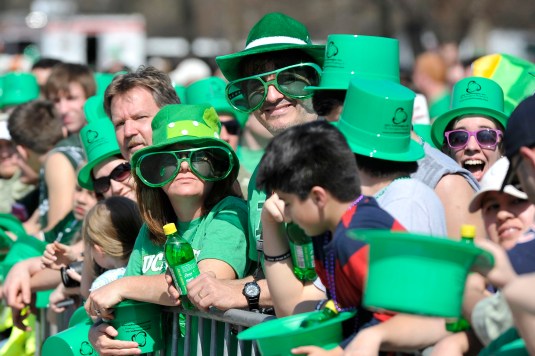
Chicago experienced its warmest St. Patrick’s Day on record in 2012, when the high temperature hit 81 degrees at O’Hare — seven degrees warmer than the previous record of 74 degrees, which was set in 2009. It was the fourth consecutive day of record-setting temperatures for the area.
Chicago had recorded just 10 days in the 80s in March in the previous 142 years at the time, according to WGN-TV chief meteorologist Tom Skilling.
The normal high for March 17 in Chicago is 47 degrees, according to the National Weather Service, which also happens to be in the most frequent high temperature range for the day — the 40s.
The coldest high temperature on St. Patrick’s Day was in 1941, when the high reached 11 degrees.
The high was 24 degrees in 2026.
Coldest
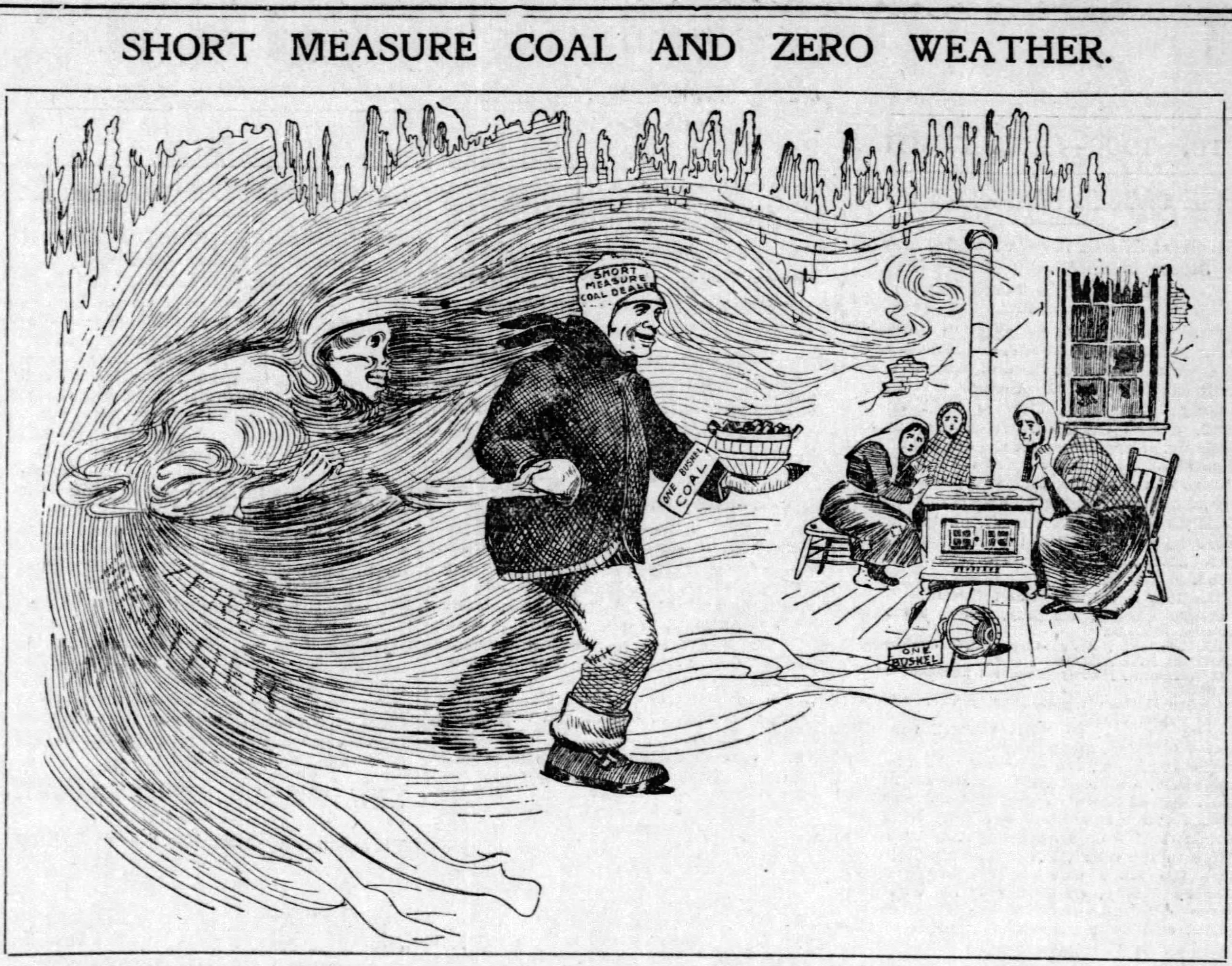
Chicago experienced its lowest temperature for March 17 in 1900, when the mercury dropped to negative 1 degree. Still, an estimated 3,000 people walked in or watched the city’s St. Patrick’s Day parade as “whirlwinds of snow” swept over roofs and swirled upward in gusts.
Even a goat with its horns dyed green and ribbons tied in its shaggy coat — a representative of the West Side Irish-American club — braved the weather, though the “punches, jibes, and flauntings of the crowds along the route” were probably worse.
That morning’s Tribune reported the previous day’s zero-degree temperature was only the fifth recorded “since the establishment of the local Weather bureau, thirty years ago.”
The normal low temperature on St. Patrick’s Day in Chicago is 30 degrees, according to the National Weather Service.
The low was 14 degrees in 2026.
Wettest
St. Patrick’s Day has been mostly dry or resulted in a small amount of rain for all but four of the past 156 years.
Rain accumulating in half an inch or more has occurred just four times since 1871, according to the National Weather Service.
The most rain ever recorded on March 17 in Chicago was 1.42 inches in 1965. Wind gusts of up to 52 miles per hour were recorded. Despite “snow, sleet, and freezing rain,” however, thousands turned out for the annual St. Patrick’s Day parade on State Street. Crews worked all morning to clear snow and “make sure there wasn’t a single puddle left on the parade route,” the Tribune reported.
A trace of rain fell in 2026.
Snowiest
In snowfall
Since 1871, snowfall of an inch or more has been recorded just five times on March 17.
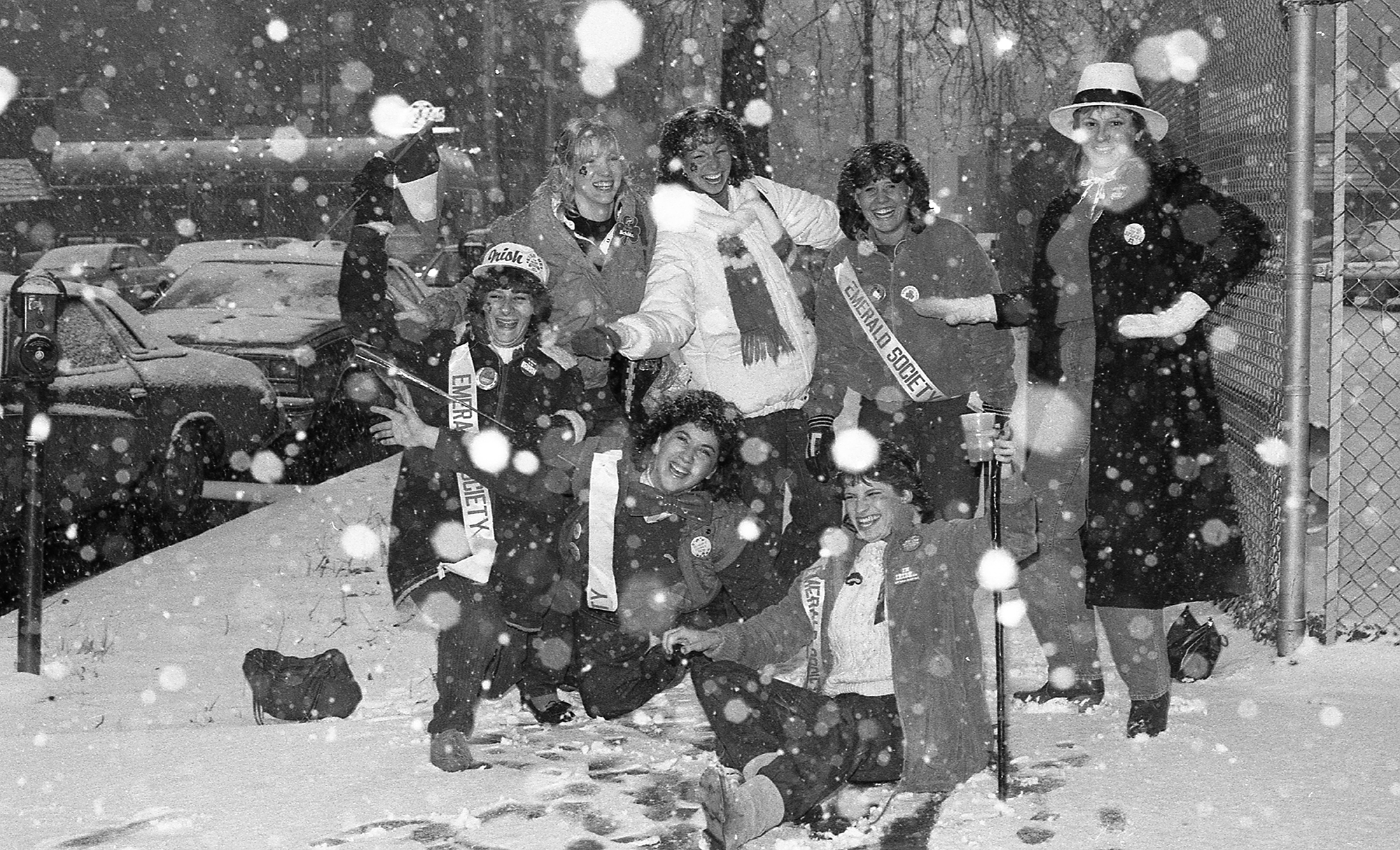
The largest St. Patrick’s Day snowfall happened in 1984 when 4.1 inches blanketed O’Hare airport. Two inches of snow — the winter season’s heaviest hourly accumulation — fell between 5 and 6 p.m. at the airport.
By depth of snow on the ground
Snow has been recorded on the ground on March 17 for just 11 of the past 156 years. Two of those years had snow depth of 5 inches or more.
Chicago had a snow depth of 7 inches — the deepest ever for the day — on March 17, 1960. The day was also memorable for two teenagers who used St. Patrick’s Day as their excuse for skipping school. Both wandered almost 1 mile out onto an ice-covered Lake Michigan. Onlookers at 79th Street tipped off police, who escorted the boys off the ice and to the Grand Crossing police station where they “received a scolding from juvenile officers,” according to the Tribune.
Chicago’s new police superintendent, however, faced scrutiny for not skipping work on St. Patrick’s Day 1960. Former dean of the school of criminology at the University of California at Berkeley, O.W. Wilson was occupied with cleaning up the disgraced department following the Summerdale scandal. (“Babbling burglar” Richard Morrison told authorities that he committed burglaries with the help of eight Chicago police officers working in the Summerdale district on the North Side. The officers not only covered for him during the break-ins, but also helped haul away the loot in their squad cars. All eight were arrested and convicted of participating in the burglary ring.)
Upon the announcement of Wilson’s retirement in 1967, however, Mayor Richard J. Daley told reporters: “When any history of Chicago is written, his great contribution to our city’s progress will constitute one of its most inspiring chapters.”
Sources: National Weather Service Chicago; Tribune archives and reporting
Want more vintage Chicago?
Subscribe to the free Vintage Chicago Tribune newsletter, join our Chicagoland history Facebook group, stay current with Today in Chicago History and follow us on Instagram for more from Chicago’s past.
Have an idea for Vintage Chicago Tribune? Share it with Kori Rumore and Marianne Mather at krumore@chicagotribune.com and mmather@chicagotribune.com