
The relationship between art and justice is human dignity. In moments of societal upheaval, we instinctively seek the basics: food, water, safety and shelter. But we also require something equally vital but less tangible — art. Art serves as the essential “second responder,” offering us our humanity, a place to reflect and experiences of beauty, joy, challenge and risk, and sustaining us as we build and imagine our futures when we are weakened, broken and under siege.
The administration of President Donald Trump is systematically defunding the very spaces where excluded communities have found voice and agency. It is gutting the vehicles that engage communities across the country in examining contemporary upheavals. The goal is to isolate populations and splinter power. Federal mandates targeting diversity or racial and gender equality have led to bans of or attempts to ban words, ideas, books and people. Recently, the Kennedy Center’s head of jazz programming and the last member of its social impact team were fired.
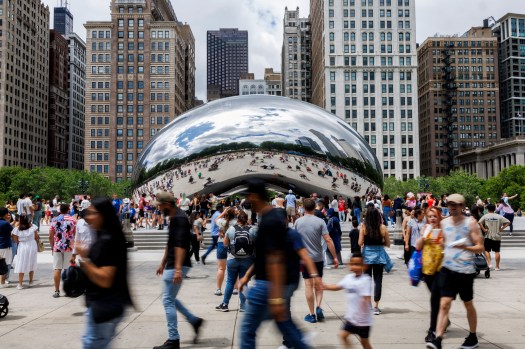
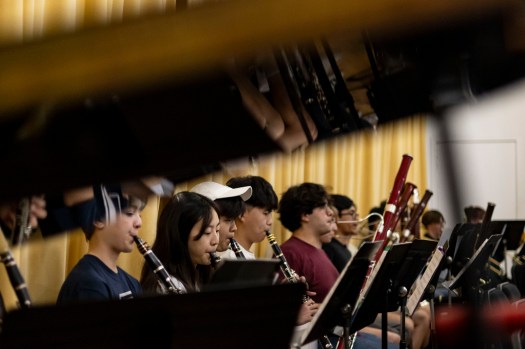
Chicago is a national example of the deleterious impact of this agenda on the national cultural landscape. Recently, a diverse array of groups lost funding, from 18th Street Casa de Cultura to The Chicago Youth Symphony Orchestras to Black Girls Dance and the Center for Native Futures. Illinois Humanities lost approximately $2 million.
Authoritarian regimes understand art’s power, which is why they attack cultural expression. From banned protest songs to today’s censored Iranian films, authoritarian systems recognize that when art dares to provoke, it mobilizes dissent, creates space for marginalized voices, and inspires commitment to democracy’s survival and evolution when formal politics falter. During the 2014 Hong Kong Umbrella Movement, the yellow umbrella became a potent symbol of protest, representing protection from tear gas and a message of democracy and resistance.
These draconian cuts sabotage future generations. Trump’s move to eliminate the National Endowment for the Arts, museums, libraries and other cultural institutions is a drastic limitation on our future. This will render research, innovation and societal advances as dim, undetectable versions of themselves, restricting the country’s ability to lead globally in addressing the most pressing issues of our times. The participatory function of art and culture faces direct assaults from this administration’s new federal restrictions that cut support for programs that promote diversity, equity and inclusion, including creative work related to LGBTQ+ issues; Black, brown and Indigenous communities; climate change; health care; and social justice. Art makes dissent visible and transforms abstract grievances into visceral experiences that formal opposition often cannot. Around the world, oppressive governments and leaders recognize this power.
Political theater, dating to ancient Greek drama and Roman satire, used performance to address, criticize and influence social and political issues. This form evolved in the 20th century to address Marxism, fascism and class struggle, challenging traditional narratives through activism and experimental techniques. Poetry has been a constant, courageous form of confronting raw truths. The great South African anti-apartheid freedom fighter Albie Sachs said that it was Pablo Neruda’s poetry that brought him into the struggle.
The Trump administration recognizes the power of art that creates narratives that formal political discourse cannot accommodate. When authoritarian impulses emerge — silencing, burning and banning the written word — it becomes a priority. Trump’s culture wars are spreading fear, intimidation and self-censorship, but American artists, along with artists around the world, have long been the ones to speak out when others are too frightened.
Art has the unique ability to deliver on the democratic promise. Artistic expression offers alternative pathways to agency. Art can take over public spaces, transforming them into a public square that intersects all dimensions of society. Community murals become voting campaigns. Spoken word events become town halls. The South African Market Theatre brought together Black and white performers and audiences when apartheid laws made integrated participation illegal — an act of democratic engagement and participation when formal systems legally denied their existence. AIDS crisis activists created billboards targeting government inaction: “Kissing Doesn’t Kill, Ignorance Does.” Art teaches how to navigate institutional breakdown.
When historians examine how societies navigated compounding crises, they look not just at legislation or reformed systems, but also at art’s overarching impact: the paintings, poetry, performances, music, literature and stories that help us reimagine possibilities when existing structures fail.
What makes art especially effective in times of chaos is its embrace of ambiguity. While systems’ responses to crises typically seek to impose order and certainty, art creates spaces where uncertainty and ambiguity are embraced rather than denied. It is exactly the creative process that investigates and models new visions and possibilities. Art goes toward the tensions, not away from them. It acknowledges the challenges and the contradictory nature of human experiences.
Most crucially, art sustains democratic possibilities when institutions fail to deliver it, such as miles and miles of street art of the Black Lives Matter movement replete with imagery related to Black people killed by the police, and vibrant symbols of freedom, hope and joy. Art models democratic futures before institutions and policymakers.
Art that truly supports the democratic experiment doesn’t just celebrate existing narratives — it urges their expansion. When governments create agenda-driven narratives or threaten the creation of new stories about the future, they constrain the imagination essential for democracy and navigating social challenges.
Cultural sabotage goes beyond government priorities; it reflects its deeply held values and agenda for the future. Art, free expression, the creative process and cultural production drive society forward through creative imagination, authentic participation, collective action and shared democratic aspirations. Art embraces our solitudes and our interdependencies. It reminds us all of the subtle and often hidden ways our shared humanity articulates itself.
Art doesn’t merely reflect — it generates aspirations. Embracing and fearlessly supporting the essential second responders is vital to democracy’s evolution. We cannot survive or thrive without them. We never have.
Jane M. Saks is a writer, producer, educator, arts advocate and creative collaborator who lives in Chicago with her two daughters, Esmé and Elodie.
Submit a letter, of no more than 400 words, to the editor here or email letters@chicagotribune.com.