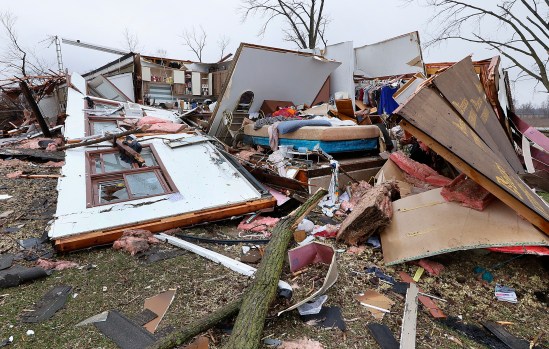

In the wake of the deadly March 10 tornadoes in Indiana and Illinois, officials are emphasizing the importance of protecting important documents and securing valuables.
Use the checklist below to help safeguard your valuables and reduce the risk of loss:
1. Document Your Valuables: Create a record of important items in your home. Take photos or videos of valuable items such as jewelry, electronics, firearms, collectibles, and appliances. Record serial numbers and model numbers. Save copies of receipts, appraisals, or purchase records. Store digital copies in secure cloud storage or external drives. Tip: A simple phone video walking through your home can be very helpful for an insurance claim
2. Protect Important Documents: Secure critical documents that prove identity, ownership, and financial records, such as birth certificates, Social Security cards, passports, property deeds and titles, insurance policies, medical records, and emergency contact information. Store these documents in a waterproof and fire-resistant container or safe.
3. Use a Fireproof and Waterproof Safe: Protect items that must remain in your home. Recommended items to store in a safe: Cash reserves, jewelry, backup hard drives or USB drives, important family heirlooms, and legal and financial documents. Choose a UL-rated fire safe that is fire-resistant and waterproof.
4. Store Copies Off-Site: Consider keeping copies of your most important items in another location. Options include: a bank safe deposit box, a trusted family member’s home, a secure storage facility, and an encrypted digital cloud storage, which protects your records even if your home is damaged or destroyed.
5. Prepare a “Grab-and-Go” Valuables Kit: During evacuations, you may only have minutes to leave. Prepare a small portable kit containing: Copies of important documents, emergency cash, medications, backup phone charger, flash drive with digital records, and small irreplaceable items. Store the kit where it can be quickly accessed during an emergency.
6. Review Your Insurance Coverage: Understand what your policy covers before disaster strikes. Call your agent to confirm coverage for valuables such as jewelry or collectibles, consider additional riders for high-value items, review flood insurance if you live in a flood-prone area, and keep copies of policies with your emergency documents.
7. Follow the 3-2-1 Protection Rule: Emergency management professionals recommend that you should keep three copies of important information, with at least two different storage methods and one copy stored off-site
8. Create a disaster kit: It should include important information on family members including a pet information list for all pets in the household as well. Visit IN.gov for more information on pet preparedness tips.
SOURCE: Lake County Homeland Security and Emergency Management