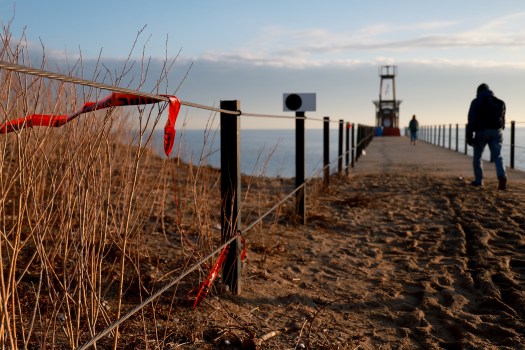

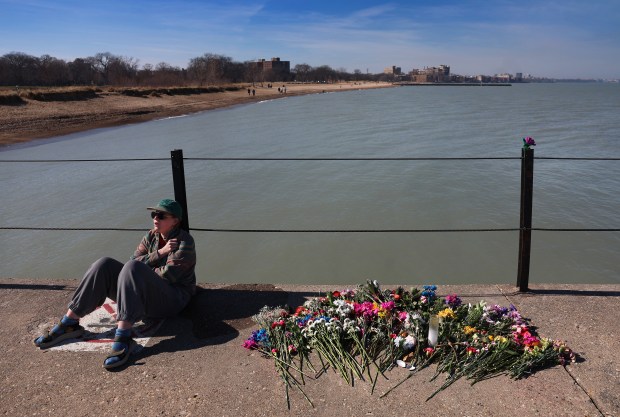
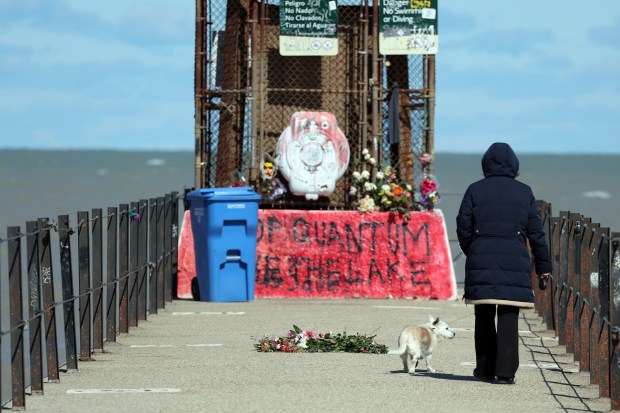

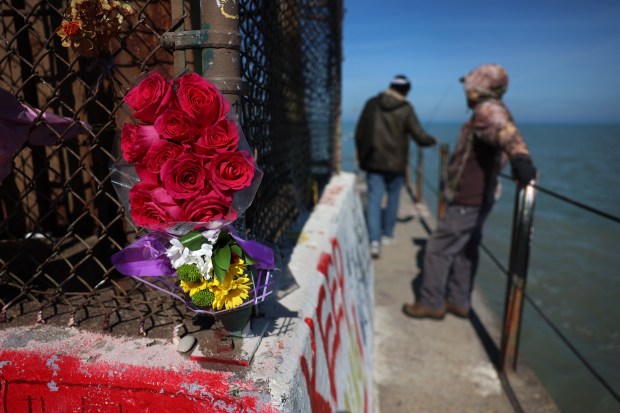
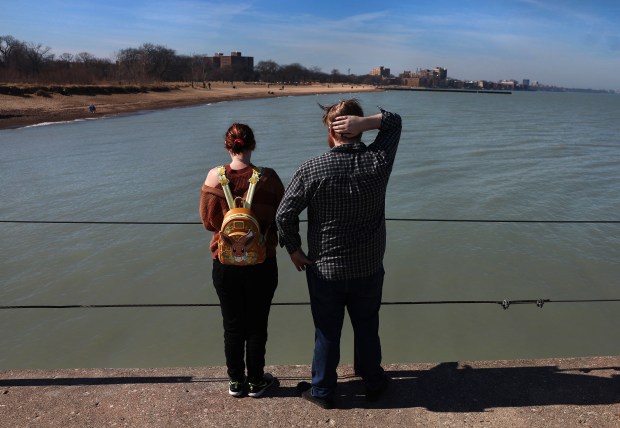
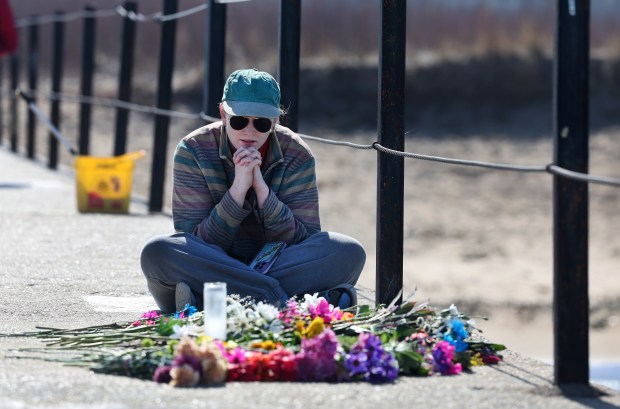
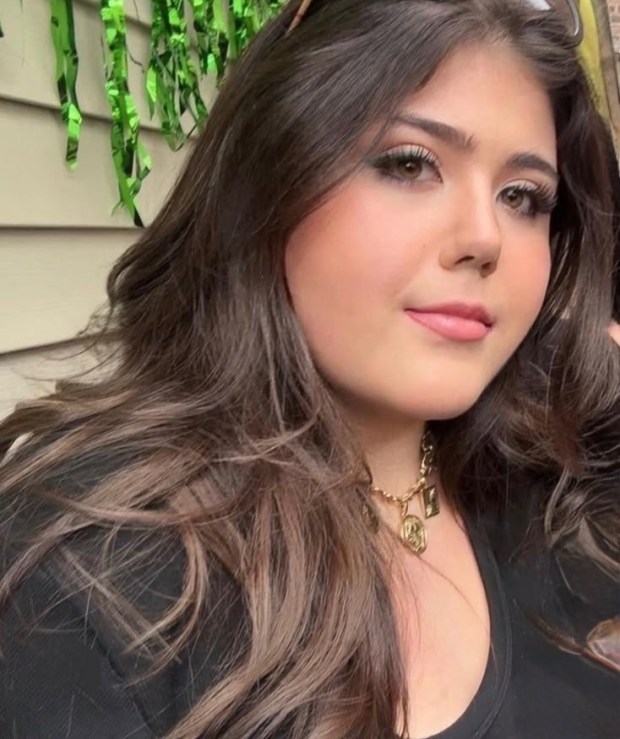
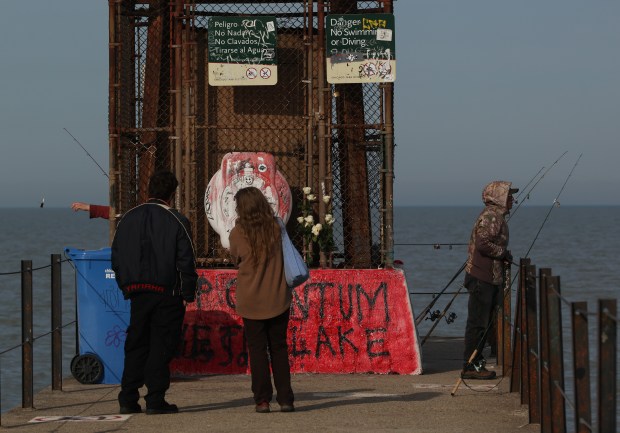


The killing of Loyola University Chicago student Sheridan Gorman is a tragedy that should force a sober look at the policy choices made by our city and state. According to publicly reported facts, the man charged in her death entered the country without authorization, had a pending criminal case in Chicago, missed a court date and remained here. Illinois and Chicago have chosen a sanctuary framework that limits cooperation with federal authorities. Whether one supports or opposes that approach, it is impossible to deny that it shapes how individuals with open cases remain in the city.
That is not scapegoating. It is acknowledging the real‑world consequences of policies enacted by elected leaders.
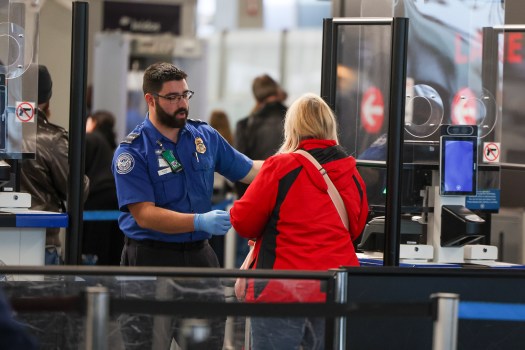
At the same time, Americans across the country are experiencing severe airport delays because Congress failed to fund the Department of Homeland Security. Transportation Security Administration officers have been working without pay, staffing shortages are growing and airports have warned of possible closures. Democratic leadership declined to move the DHS funding bill forward, and the effects are already visible. I saw it this week when even TSA PreCheck lines were backed up beyond normal levels.
This is not an abstract budget dispute. It is a breakdown in basic governance.
These two events are not identical, but they share a common thread. When government deprioritizes enforcement and treats public safety as negotiable, the results eventually reach ordinary people in devastating ways. In one case, an 18‑year‑old lost her life. In the other, a national security department responsible for border protection and aviation safety is unfunded, with predictable consequences for millions of travelers.
Some have tried to shift the conversation to unrelated national political grievances or to accuse anyone raising these issues of bad motives. That avoids the central point. Illinois and Chicago chose the policies under which the charged individual remained in the city. Democratic leadership chose not to advance the DHS funding bill. These decisions have consequences, and the public has every right to demand accountability for them.
We can debate ideology endlessly, but governance is ultimately judged by outcomes. Right now, those outcomes should concern anyone who believes that public safety and functional institutions are the most basic responsibilities of government.
— Josh M. Kantrow, Chicago
CPD’s execution of warrants
In the excellent editorial “Sheridan Gorman was not in the wrong place at the wrong time” (March 24), the Tribune Editorial Board correctly notes the abject failure of the Chicago Police Department to execute an arrest warrant issued more than two years earlier. A warrant is supposed to be executed within 96 hours, per Illinois law.
This raises the question of whether this failure to execute the arrest warrant within the specified time period is an exception or the rule. Shouldn’t an investigative reporter for the Tribune examine this critical question and then report the findings?
— Robert Eme, Evanston
The proliferation of guns
In the aftermath of the sad and tragic shooting of Sheridan Gorman, the Loyola University freshman killed just north of campus while on a walk with friends, why are we not seeing the most obvious cause?
It’s the guns.
Yes, we have both citizens and non-U.S. citizens who commit crimes in our city, but access to guns and the sheer number of guns on our streets are the problem. Instead of blaming former President Joe Biden, can we turn the focus on Republican legislators who support lax gun laws in our country?
— Beth Shannon, Oak Park
Ald. Hadden’s judgment
Ald. Maria Hadden’s response to the tragic killing of Sheridan Gorman is deeply disappointing and disturbing.
In the wake of a young college student’s death, our elected officials should offer clarity, accountability and a commitment to public safety. Instead, Hadden suggested that this was a matter of being in the “wrong place at the wrong time” and that the victim and her friends may have “startled” her attacker. These words are not just tone-deaf; they are inexcusable.
No one “startles” their way into being murdered. No family should hear their child’s death framed in a way that even hints at shared responsibility. Such rhetoric shifts focus away from the perpetrator and the broader failures that allow violent crime to persist.
Hadden holds a unique responsibility. She represents a ward that includes a major university, where parents from across the country entrust the city of Chicago with the safety of their children. That trust is sacred. When a student is killed, the response from leadership should reflect urgency, empathy and a firm commitment to preventing such tragedies, not language that minimizes them.
It is also telling that the video containing these remarks was only removed after significant public pushback. That raises serious concerns about judgment.
Her comments underscore a larger issue: the ongoing inaction by her and her colleagues to adequately address public safety. Chicagoans are not asking for excuses. We are asking for results and for policies that protect our neighborhoods, campuses and children.
Words matter, especially from those in positions of authority. When those words fail, they reveal a deeper failure to lead.
Chicago deserves better.
— Jeremy O’Connor, Chicago
Pritzker ignores his failures
In addressing the fatal shooting of Loyola University student Sheridan Gorman and the “real failures” in the nation’s immigration system, Gov. JB Pritzker failed to mention his own failure — declaring Illinois a sanctuary state (“Pritzker: ‘Real failures’ in immigration led to killing,” March 25).
Pritzker also failed to mention that the Joe Biden-Kamala Harris administration failed to secure the southern border and allowed unvetted immigrants to enter America.
— Bruce R. Hovanec, Chicago
Turn tide against violence
Thank you for the well-written and excellent explanation on why parents and their college-bound children may choose colleges outside the city of Chicago (“Loyola student’s killing shows how much is at stake for Chicago universities in reducing crime,” March 20).
My family story is a good example of the editorial. My granddaughter was accepted and excited about going to Loyola University. During her freshman orientation, she loved the school’s vibe. She was also looking forward to being a part of Chicago’s cosmopolitan culture. She is from the Houston area, so Chicago had the real possibility of attracting a bright, intelligent and kind college student who might have decided to start her career, and maybe eventually her family, in the Chicago area.
However, she ultimately went to school elsewhere. Primarily, the reason was my fear for her physical safety.
Something is terribly wrong in Chicago. We have too many young people who commit senseless violence upon innocent victims. It happens in downtown Chicago, on CTA trains and now near Loyola.
We need local political leaders who can turn the tide against this violence, so that parents (and grandparents) feel they can safely send their children (and grandchildren) to Chicago-based colleges and universities.
— Vincent Alspach, Chicago
Submit a letter, of no more than 400 words, to the editor here or email letters@chicagotribune.com.