
Illinois residents have been walloped by surging health insurance costs this year. According to one estimate, premiums for an Illinois family of four earning $64,000 annually were set to rise nearly $2,500 this year — an increase of more than 200%. Premium hikes for a 60-year-old couple earning $82,000 a year were projected to approach $17,000.
These eye-popping price hikes have many Americans looking to Washington for relief. But one question deserves just as much scrutiny: Why aren’t health insurance companies doing more to prevent this catastrophe?
It’s not because they lack the resources. Health Care Service Corp. — the parent company of Blue Cross Blue Shield of Illinois — reported reserves of nearly $25 billion as of 2024. That same year, HCSC paid its CEO $34.4 million. Its 10 highest-compensated employees collected a combined $104 million — a 17% increase from the year before.
That an insurer can award eight-figure paydays and stockpile vast reserves while households absorb devastating premium hikes is indefensible. Yet Illinois’ dominant insurer, along with many of its peers, continues to behave as though steep increases are unavoidable.
Illinois is not alone. Nationally, premiums for exchange coverage are projected to have risen by an average of 26% this year. Illinois residents have been hit particularly hard, with marketplace enrollees paying on average 78% more per month.
These increases have been blamed largely on the expiration of COVID-19-era premium tax credits. But those subsidies have masked a deeper affordability crisis — one in which insurers themselves play a central role.
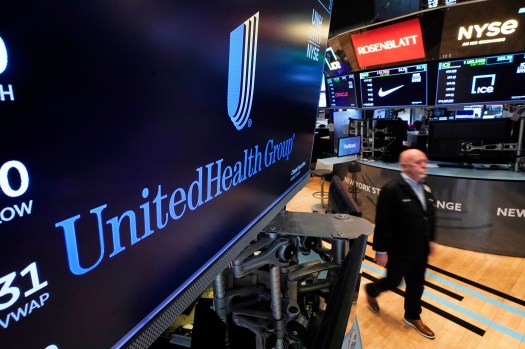
After all, how can premium hikes be deemed inevitable when insurers’ profits are soaring? UnitedHealth Group alone booked record adjusted profits of $25.7 billion in 2024. Across the six largest insurers in the country, CEO compensation totaled nearly $160 million that same year.
The case of HCSC is particularly egregious. Between 2018 and 2021, the company paid no federal income tax and claimed some $3.6 billion in tax refunds. Even so, it reported net earnings exceeding $1.4 billion in 2023. Its chief executive has outearned the CEOs of every major publicly traded insurer for two consecutive years, receiving a 23% pay bump in 2024 alone.
Rather than using their enormous earnings to ease the burden on patients and employers, insurers such as HCSC have chosen to enrich themselves.
This is not a new phenomenon. A study published in JAMA Network Open in December found that total premiums for employer-sponsored plans surged 342% between 1999 and 2024 — more than five times the rate of inflation and nearly three times the growth in worker earnings.
Even as they hike premiums, insurers have adopted increasingly aggressive tactics to limit what they pay for care. One such tactic is “automated downcoding,” wherein insurers unilaterally reduce the complexity level of a physician’s claim without reviewing the medical record.
The result is lower payments for care already delivered, with physicians forced into a costly and time-consuming appeals process if they wish to contest the decision.
Insurance companies have the capacity to relieve patients and employers from crushing premium increases. Instead of shifting ever-more costs onto families, they ought to address the affordability crisis their own practices have helped create.
Barbara Hoare is a licensed practical nurse and resident of Wheaton.
Submit a letter, of no more than 400 words, to the editor here or email letters@chicagotribune.com.