
Ever since the United States and Iran signed a ceasefire to suspend hostilities and explore a diplomatic way out of the conflict, the Middle East has been on tenterhooks.
The mystery and suspended animation have only been compounded by President Donald Trump’s tendency to blurt out to the media whatever he’s thinking. On some days, Trump insists a deal to end the war is only a matter of days or even hours. On other days, he’s angry about the state of talks and threatening to resume the bombing if the Iranians don’t blink on sending their stockpile of enriched uranium out of the country. One hour, Iran’s leaders are “nuts”; the next, they’re “rational.”
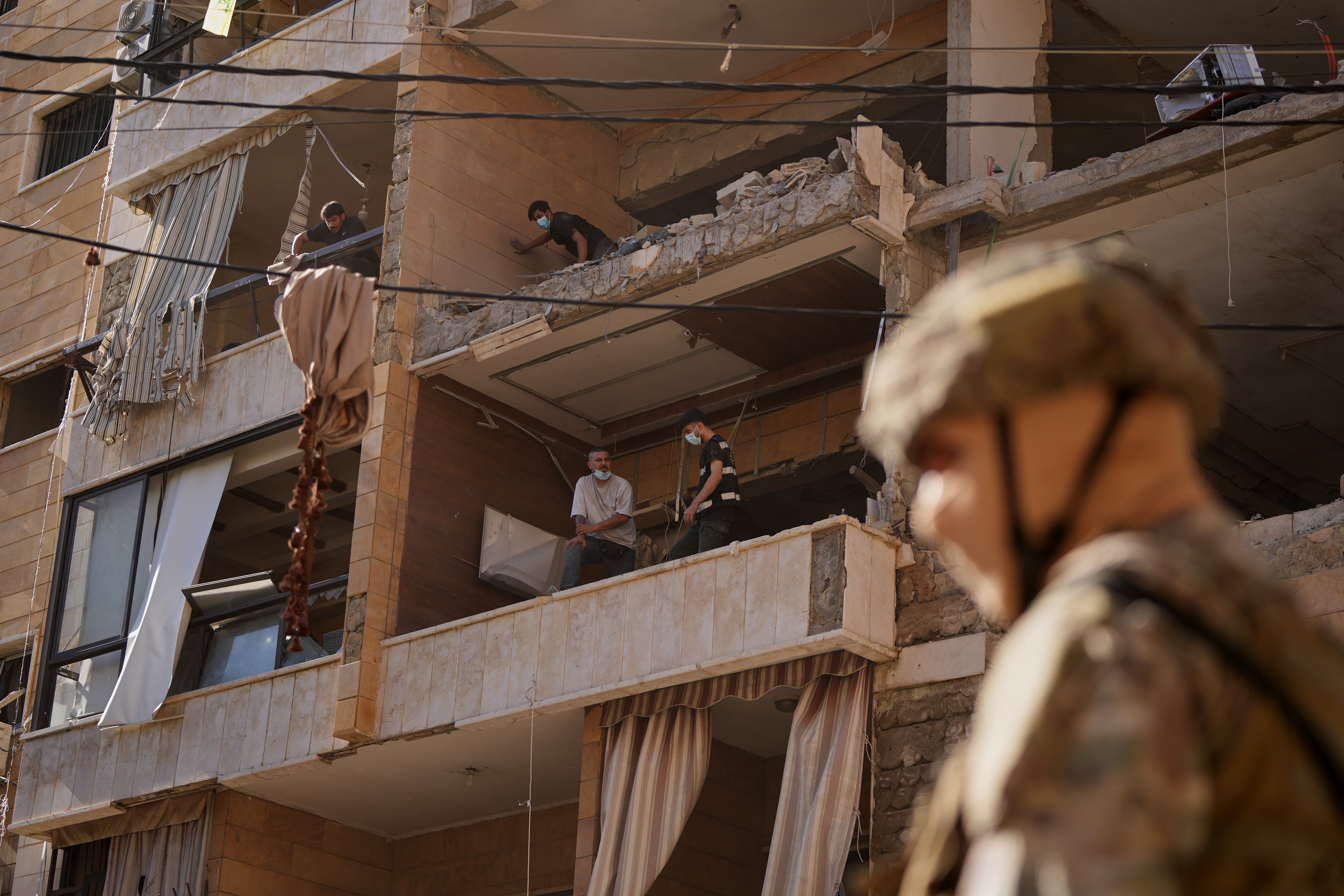
The 24 hours between Sunday and Monday made an already puzzling situation even more head spinning. Iran and Israel, which stopped attacking each other in early April, resumed their volleys of fire, putting the entire diplomatic process at risk. After Israel bombarded Hezbollah infrastructure in southern Beirut in retaliation for the Lebanese terrorist group’s rocket fire into northern Israel, the Iranian military responded by launching dozens of ballistic missiles into Israel. The missiles did little damage, but the Iranian attack nevertheless put extreme pressure on Israeli Prime Minister Benjamin Netanyahu to hit Tehran militarily. One man who didn’t want Israel to pull the trigger again was Trump, who called Netanyahu and urged him to hold his fire. It didn’t work; the Israeli air force bombed Iranian petrochemical facilities and air defenses. For a moment, Trump looked like he was merely a spectator to his own war of choice.
By Monday morning, after several rounds back and forth, Israel and Iran relented. The Iranian military stressed that it wouldn’t launch any more missiles if Israel stopped striking Lebanon. The Israelis, too, suspended further military plans.
Trump, meanwhile, has called on Iran to continue negotiations to clinch a deal that he insists, for the umpteenth time, is close to being finalized. The deal on offer is less a comprehensive agreement and more of a framework that begins to dig the United States out of a hole of its own making: Iran would reopen the Strait of Hormuz to maritime traffic, the U.S. Navy would drop its blockade of Iranian ports, and both sides would buy time to get into the finite details on how to dispense with Tehran’s nuclear program.
To say we’re out of the woods, though, would be taking optimism to new heights. Events are moving frenetically, and not even the most well-respected foreign affairs analyst could say how all of this is going to pan out. The possibility that Washington and Tehran will put signatures on an agreement is still very much there — Trump himself wants a deal, even if he sometimes has difficultly articulating what he expects Iran to sign on to.
Yet given the events of the past week — Iranian drones loitering over civilian shipping in the Strait of Hormuz; Iranian missiles screeching into Kuwait and Bahrain; the U.S. hitting Iranian radar sites along the Iranian coast; Israel and Iran chucking missiles at each other — a return to war is also very possible.
There are other scenarios as well, from an indefinite extension of the April 8 ceasefire to a U.S.-Iran peace deal that eventually breaks down over the nuclear issue.
However, there are some things we can say with some clarity.
First, the war has made Iran more emboldened, not less. This is the exact opposite of what Trump envisioned when he decided on Feb. 28 to plunge the United States into another war in the Middle East. Fresh off a military success in Venezuela months before, Trump thought the conflict with Iran would be over in a matter of weeks. He also believed the outcome was preordained: Iran, its military capacity eliminated and its economy in the gutter, would sue for peace on U.S. terms and give up its entire nuclear apparatus.
This scenario, which some would describe as fantastical, simply hasn’t been realized. Despite the significant damage inflicted on Iran’s military infrastructure in the first five weeks of the U.S. air campaign, there’s little evidence that Tehran’s strategic calculus has changed.
Indeed, that Iran mastered the strategy of asymmetrical warfare, using cheap attack drones and missiles to effectively shut down one of the world’s most crucial chokepoints for energy supplies, means that a country whose armed forces are no match for the U.S. military in conventional terms still has leverage of its own. The high energy prices and subsequent fall in the polls back home are further incentivizing Trump to find a face-saving way out of this conflict, a reality he likely didn’t anticipate when he embarked on the war.
Second, Iran’s ambitions have grown as well. The latest exchange between Israel and Iran has demonstrated that Tehran’s Revolutionary Guard and its new supreme leader, Mojtaba Khamenei, are more aggressive as it pertains to protecting what’s left of the nation’s regional proxy network. The Hezbollah of 2026 might not be as strong as the Hezbollah of 2020, but the Lebanese militia movement remains Iran’s most important nonstate asset in the region. The Iranians have no intention of sitting on the sidelines as this asset gets pummeled by a superior foe. The Revolutionary Guard warned Israel to cease its attacks on southern Lebanon, and when Netanyahu refused, it responded with a coordinated attack that aims to deter further Israeli operations there.
Fortunately, the Trump administration’s negotiations with Iran haven’t collapsed after all this. Still, a breakdown becomes much likelier the longer an agreement remains elusive.
Daniel DePetris is a fellow at Defense Priorities and a foreign affairs columnist for the Tribune.
Submit a letter, of no more than 400 words, to the editor here or email letters@chicagotribune.com.