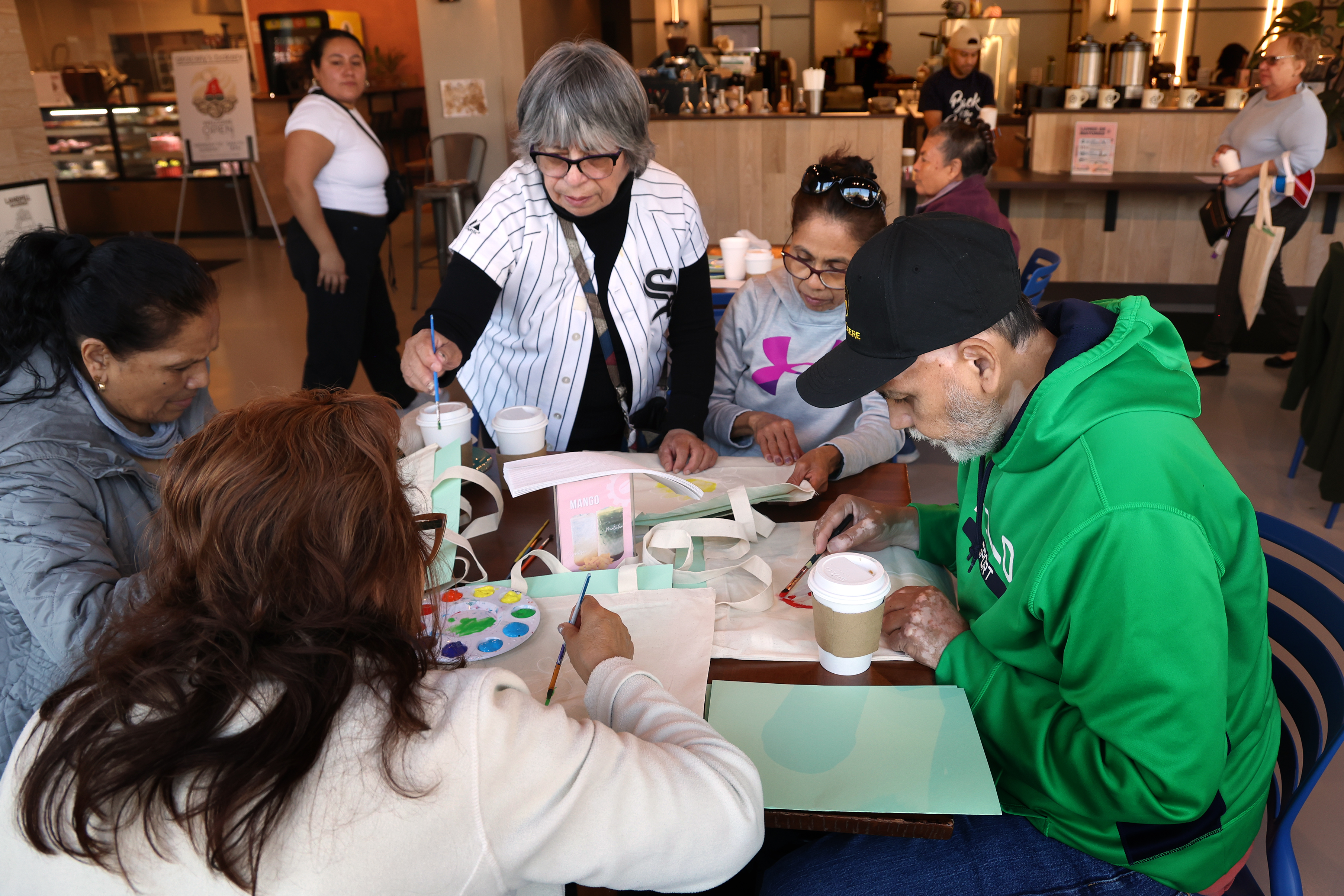

On a recent Monday morning, a group of 30 or so seniors gathered for chair yoga. The instructors provided directions in English and Spanish. “Listo?” said one. “Ready?” said another. Deep breathing kicked off the class, followed by modified poses. Rather than at a senior center, this class was held at Back of the Yards Coffeehouse.
A few days later, at Logan Square’s Bungalow by Middle Brow, more than 40 people gathered for its third monthly neighborhood meetup. Speakers from Friends of the Bloomingdale Trail were featured and gratis pizzas were brought out afterward. “Turn around and meet your neighbor,” encouraged Middle Brow owner Pete Ternes.
These events are part of a steadily growing trend of Chicago restaurants, bars and coffee shops thoughtfully embracing the meaning of hospitality and creating unique ways to connect to their communities beyond the food and drinks they serve. While boosting revenue at a time when margins are razor-thin is naturally part of the draw, there’s more to these than simply improving the bottom line.
Since it opened in February 2024, the West Loop’s Drip Collective has been doing things differently from other coffee shops.
“I describe Drip Collective as a place where anything and everything can happen,” says Ty Banks, a coffee industry vet. “Our whole thing is connecting with people in our community and seeing what they want to showcase and how we can play a part in it.”
Banks founded Drip Collective with Francis Almeda, who’s also behind Side Practice Coffee, Kanin and Novel Pizza Cafe. Almeda has become well known in the industry for spotlighting the talents of others, especially Filipino food creators, at Ravenswood’s Side Practice via pop-ups.
It’s no surprise that Banks, who worked at Side Practice, follows a similar mindset at Drip Collective, which has become a haven for local artists, DJs, immigrant rights activists and even politicians. A recent event celebrated Black film and music with immersive art experiences. Regular latte art throwdowns have provided a central place for Black and brown baristas to connect and share resources.
“The beautiful part about Drip Collective is that it’s super versatile and set up so anybody can roll up and do something,” Banks says of its open design and stadium-style seating. “If you’re confident enough to showcase, the least we can do is be the host.”
Listening to the needs of its community also inspires the events at Back of the Yards Coffeehouse, which, in addition to Senior Monday events, features poetry slams, storytelling, after-school programs, youth game nights and discussions around ICE raids. Events are typically conducted in Spanish and English.
For owner Jesse Iñiguez, a lifelong Back of the Yards resident, creating this type of space is also personal.
“The first time I walked into a coffee shop was my freshman year of college in 1999, and my first thought was, why don’t we have something like this in my neighborhood?” he says.

In 2016, he opened his first coffee bar, which, while small, still created tiny desk-type events. When he had the opportunity to move to a larger space in March 2025, that more-than-coffee mentality came with it.
“We wanted to make sure we had enough room for this to be a community space,” says Iñiguez. “In a neighborhood like Back of the Yards, while we’re a very tight-knit community, there are not a lot of safe spaces to gather.”
The variety of events, work-space environment and inclusion of Aracely’s, a longtime favorite neighborhood bakery, naturally attracts a diverse clientele.
“We have attorneys and local celebrities, but then we have the señora from down the block and college students,” he says. “Hopefully, those connections made last a lifetime as there’s real value in that.”
Le Bouchon knows a thing or two about creating connections. Since it opened in 1993, the Bucktown restaurant has earned a loyal following for its French bistro food. But for the last year-and-a-half, it’s become known for something else: comedy. Once a month on Sundays, longtime Le Bouchon server Claire Parlette hosts Comedy & Caviar, a stand-up comedy show. All 20 shows have sold out.
For the early evening hourlong show, guests receive a glass of sparkling wine and three bougie bites, one of which is always caviar. “Comedy sometimes needs that help,” says Parlette of the treats. The show features four comedians who Parlette and co-producer Kelly McGuigan feel are “crushing the scene.”
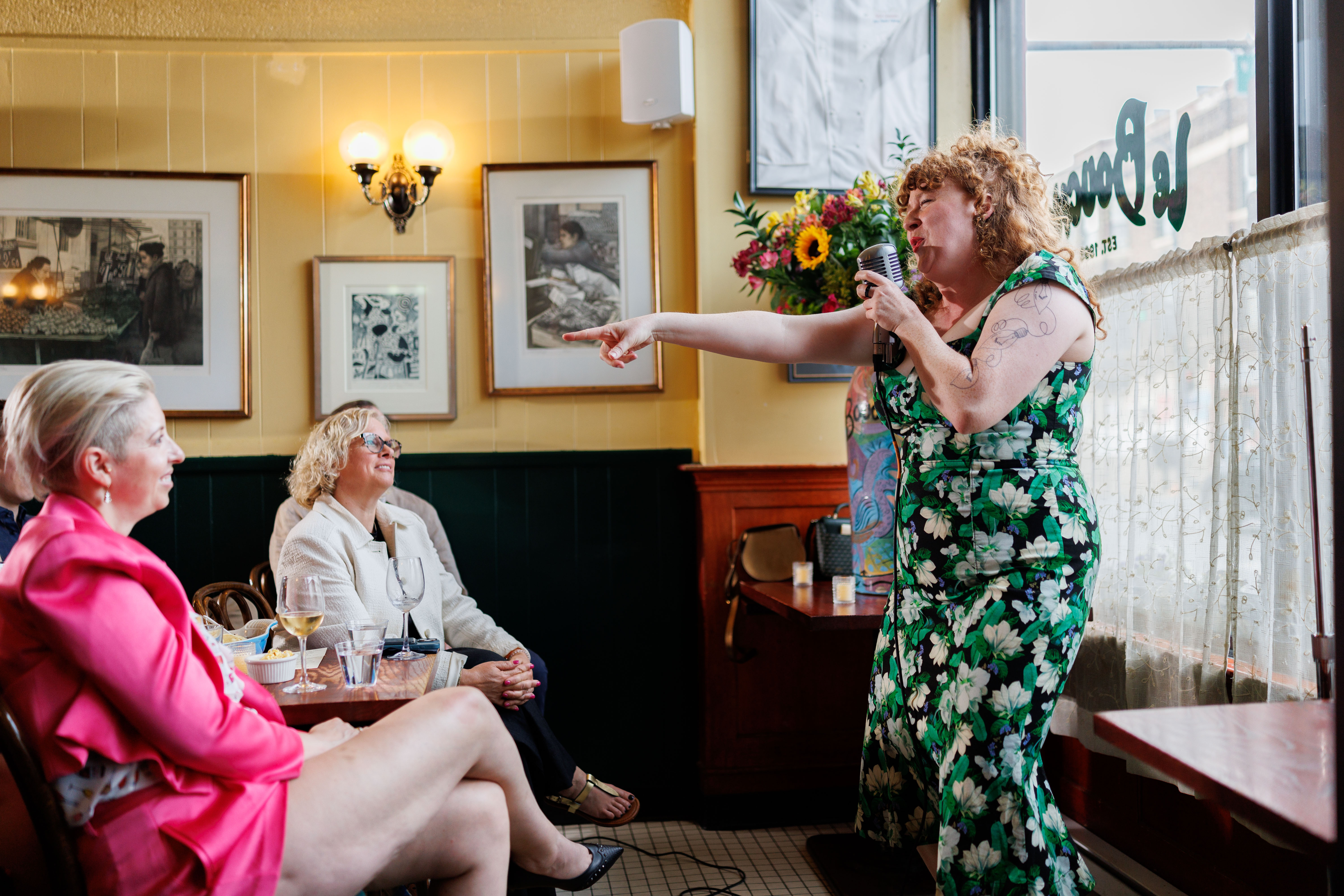
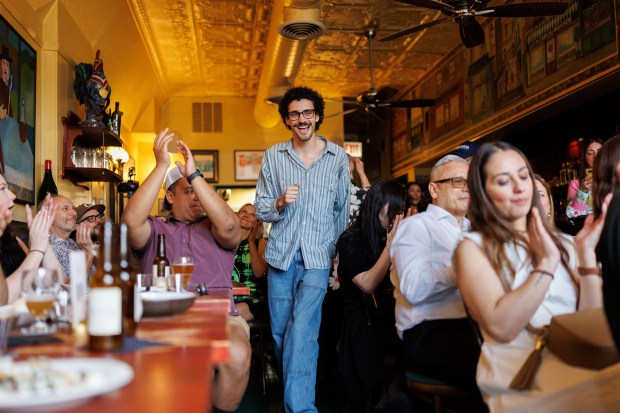
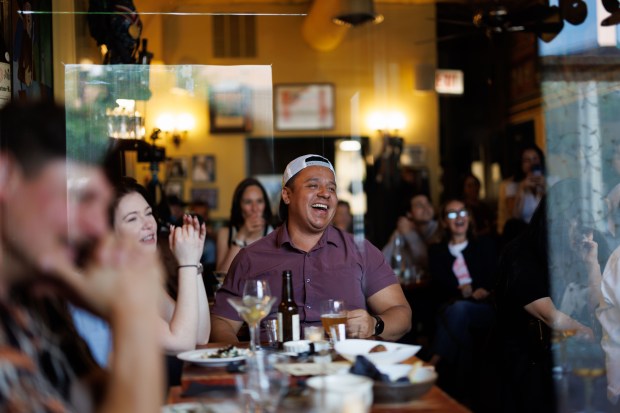
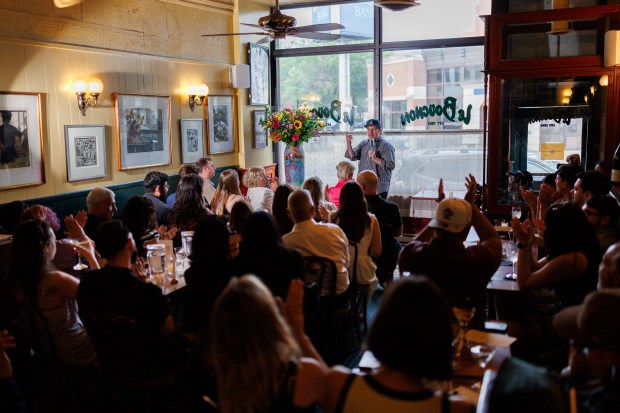
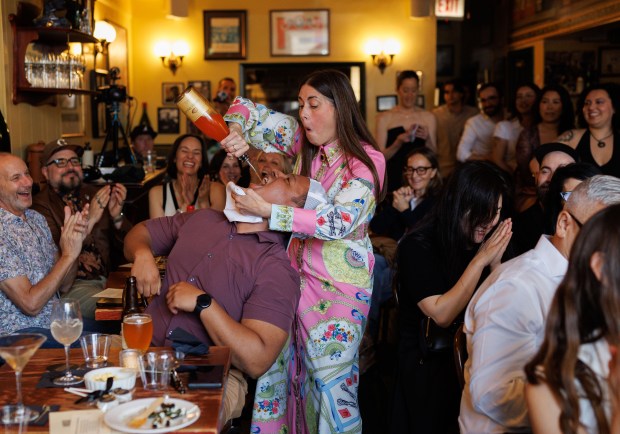
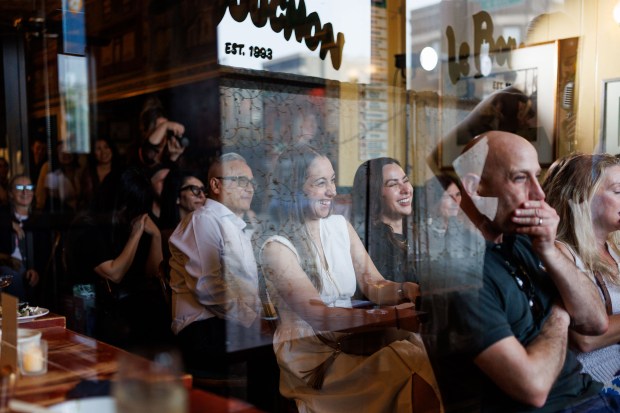
Guests are encouraged to dress to impress. The shows have attracted devoted fans, many of them women who own businesses in the area. Dubbed “The She-EOs,” the group has their own table and have come to almost every performance, says Parlette. Often, the party continues after the show ends at nearby bars like Truce or the Charleston.
“This is an extension of the spirit of Le Bouchon,” says Parlette. “I have learned from them their vision of hospitality and about love, passion and going for it.” Adds co-owner Nicolas Poilevey, “We love that our people have things going on outside of work.”
A grassroots approach has been at the forefront of West Town’s subterranean lesbian cocktail lounge Dorothy.
“I tell people we built a cocktail bar without knowing it was an events haven,” says Whitney LaMora, who owns the bar with her wife, Zoe Schor. “We have no official sound system, and we don’t even have a stage, but that creates an intimate and community-oriented experience.”
The popularity of Dorothy’s unique burlesque show launched its full-blown events calendar, which has since included a silent book club, talks with local politicians, and trans and nonbinary makers markets. One event featured folks on hand to help those who wanted to change their legal name to a chosen one. Dorothy has also hosted numerous fundraisers and provides free access to sexual health supplies.
“We are really intentional with everything we do,” says LaMora.
Like at Le Bouchon, Dorothy welcomes its staff to get involved with programming. “It’s an all-hands effort,” she says. “We want to be known for more than serving people alcohol and be a community space by creating opportunities outside of being a bar.”
Back before Middle Brow opened in Logan Square, it was a nomadic brewery that donated half its profits to supporting local social justice organizations. When it opened as a bricks-and-mortar business, that became impossible beyond small things here and there.
But when Middle Brow was nominated two years in a row for Jean Banchet’s best neighborhood restaurant award, owner Ternes experienced a bit of imposter syndrome and felt the need to step up. He also found inspiration in how Minnesotans responded to its ICE raids and what they called “neighborism.”
“It’s about getting back to your neighborhood, no matter your race, religion or political affiliation,” Ternes says. “We need to get to know each other a bit more and get off our phones and screens.”
That laid the groundwork for Middle Brow’s casual monthly meetups. The second meeting featured Ald. Daniel La Spata on the topic of how folks could be better prepared for emergencies and be closer to people who live nearby.
Before taking over Maria’s Packaged Goods & Community Bar in Bridgeport in 2010 from their mother, brothers Ed and Mike Marszewski already had decades-long experience in operating art spaces that acted as community centers.
“We believe it’s important to have these semipublic spaces for people to gather at,” says Ed Marszewski. “Most of the work I’ve ever done has been formed or hatched at a bar or coffee shop where you meet with friends or potential partners to initiate a new project.”
Maria’s neighboring sister restaurant Kimski and Marz Community Brewing Co. in McKinley Park have hosted all kinds of community-focused activities, including exhibits from local artists and activities that skew more political. A language exchange event is in the works at Maria’s. Over at Bucktown’s Life on Marz Community Club, Community Night School, a monthly evening event featuring discussions with leading authors, educators and researchers, recently launched.
“The whole point is we all need ways of reconnecting and knowing each other better,” says Ed. “What’s constantly on my mind is how do we get people together and make sure we become better neighbors, especially in these dark times.”
Like Maria’s, Logan Square’s Lula Cafe has had a mission of being a supportive place for creatives and the doers of the world from the get-go. Many a community event has been held there on Tuesday evenings. But the owners, husband and wife Jason Hammel and Amalea Tshilds, wanted the opportunity to offer more. When a nearby space became available, they created LouLou by Lula, a creative studio and private events space featuring food by Lula.

Since opening a year ago, LouLou has hosted gatherings ranging from an anti-ICE dinner with Roads & Kingdoms and events with local authors to a series featuring discussions with Chicago chefs. The L. Soirée series, curated by Tshilds, brings together two artists to compare their work.
“It’s about being curious about what it means to be a living, breathing, caring human being in the world,” says Hammel. “As the world gets tougher, those expressions of connectiveness and beauty have become more important. That’s why you’re seeing so many restaurants connecting in that way because there’s a lack of that in the rest of our lives.”
Lisa Shames is a freelance writer.