

A full-day kindergarten program in Downers Grove could cost $850,000 per year, officials say.
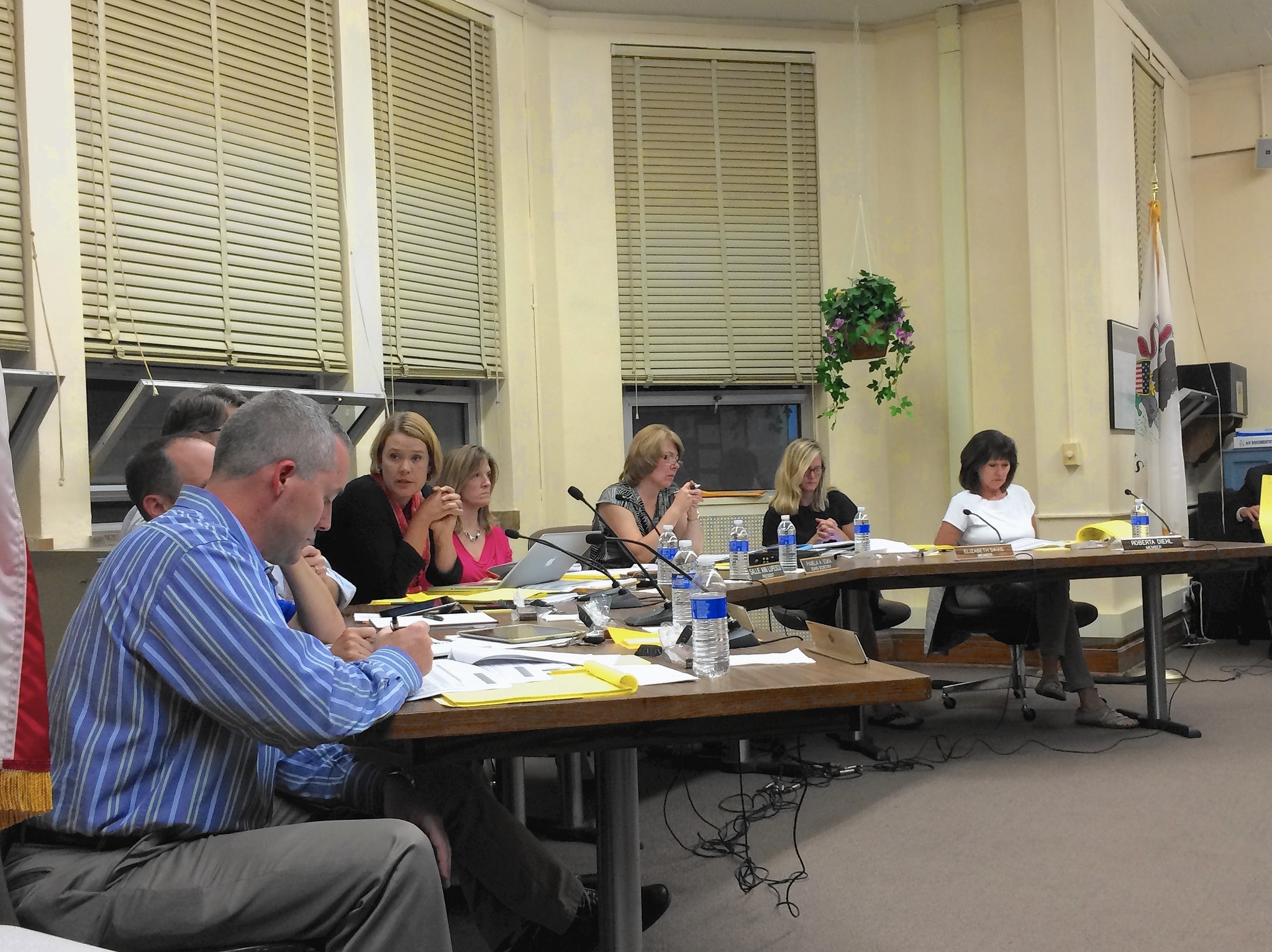
Grade School District 58 officials revealed the price tag at a recent board meeting where administrators shared updates on research into expanding the district’s current kindergarten program.
The expenses largely include salaries for the new teachers and staff members that would be needed to have a full-day option at all 11 schools, according to Jayne Yudzentis, assistant superintendent for personnel and staff development. A large chunk of the money also covers the extra training and curriculum development.
“That training piece is very important,” Yudzentis told board members Dec. 8. “We want to make sure our teachers have the proper training to make it an effective program.”
District 58 administrators have been exploring full-day kindergarten throughout the year, saying that most surrounding districts already have such programs under way. The district’s elementary schools currently offer two-and-half hours of school for five-year-olds, but teachers told the board earlier this year that the schedule is too crunched to help the children learn effectively.
“What kind of opportunities do we want to cultivate and how are we going to meet them in a world that’s changed around them?” said Matt Rich, assistant superintendent for curriculum and instruction. ‘The expectations of kindergarten have changed dramatically.”
Yudzentis called the $850,000 “a conservatively high estimate” since it projects the cost of having full-day kindergarten at all of the schools, which is unlikely to happen all at once. Administrators say that six schools have enough space to accommodate an additional permanent classroom, three schools could fit another classroom with some reorganization, and two schools have no extra space to spare.
One-time costs include furniture, instructional materials and preparing the rooms for new classes.
Administrators are considering a $3,000 tuition fee and using some Title I federal funds to pay for the expanded classes. Supt. Kari Cremascoli said that five District 58 school receive Title I dollars, which are intended to help disadvantaged students. But how much money that would be derived from either source depends on how many families would participate in the full-day option, something that has not yet been determined.
“All low-income students need to be funded somehow,” Rich said.
Yudzentis said they plan to return to the board with another update in January and soon will lay out a timeline for rolling out the program either in the 2015 or 2016 school years.


