

We know we urged members of the Illinois General Assembly to get back to work in Springfield, but that doesn’t mean we won’t flinch — and protest — after they arrive. Prepare yourselves, taxpayers, because it will be your hard-earned money on the line, as always.
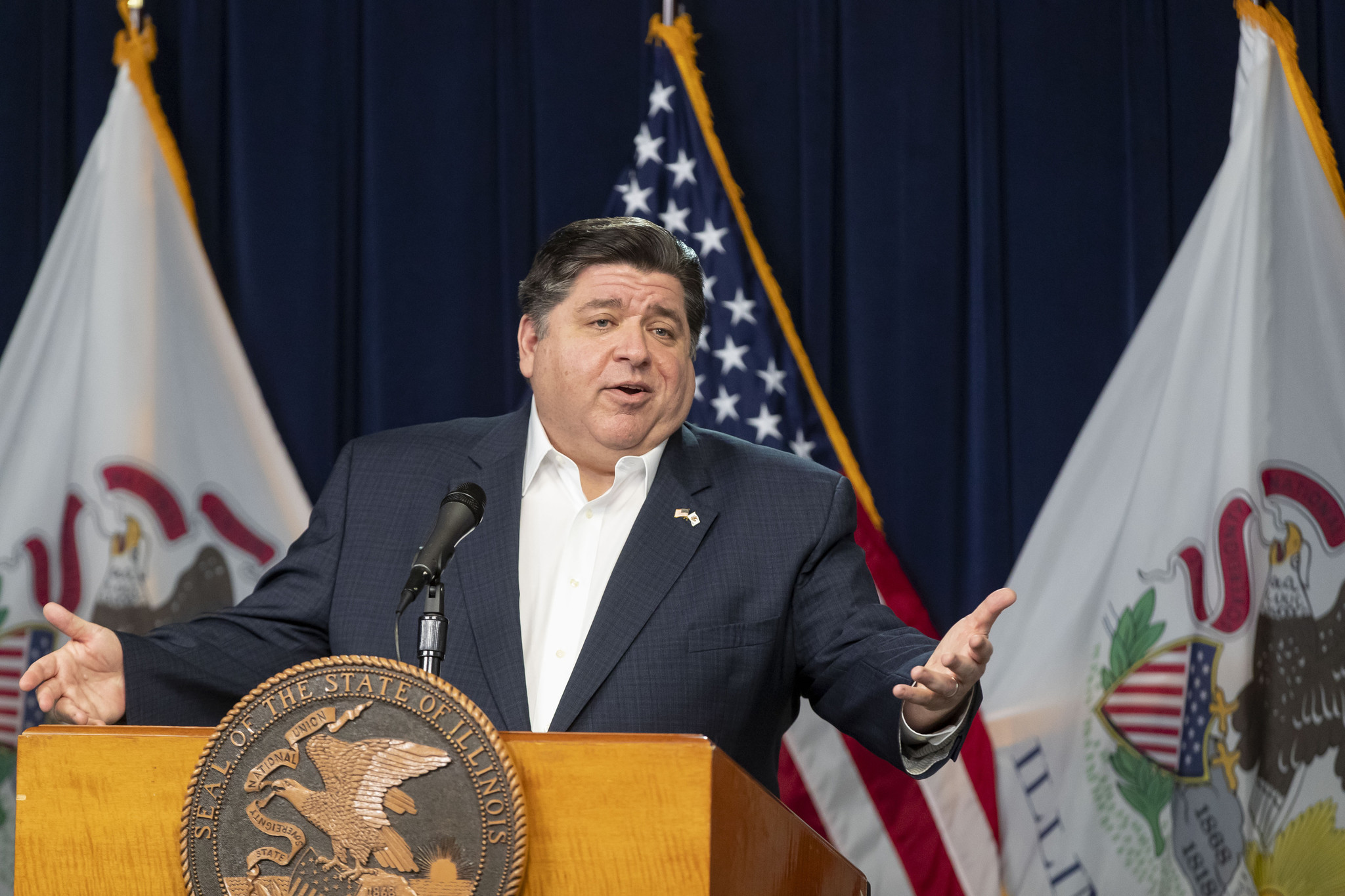
On Tuesday, Gov. J.B. Pritzker turned up the volume on his request that lawmakers meet to pass legislation that would include broad relief and compensation measures for Illinoisans hurt by the coronavirus pandemic. “The legislature must convene so that we can begin to put our financial and economic house back in order,” Pritzker said. By Wednesday morning, House Speaker Michael Madigan and Senate President Don Harmon were announcing plans to restart their spring session next week.
Coincidentally or not, the push by Illinois Democratic leaders to get cracking came in tandem with U.S. House Speaker Nancy Pelosi introducing the Democratic version of yet another coronavirus aid package. Pelosi’s bill comes with an extraordinary $3 trillion price tag, including as much as $1 trillion for states and cities.
Possibly billions to the states? No wonder Springfield is roaring back to life.
COVID-19 prompted a broad shutdown of the economy that has delivered a financial blow to workers, business owners and families. Federal Reserve Chairman Jerome Powell said almost 40% of U.S. households making less than $40,000 a year lost a job in March. Many Americans need help.
Assistance, however, isn’t the same as government largesse. Targeted help is what should be considered, if a follow to March’s $2.2 trillion package is deemed crucial. Congress so far has approved four emergency aid measures totaling trillions. Senate Majority Leader Mitch McConnell is not rushing to match Pelosi’s latest bill. Good.
Pritzker’s list of Illinois “asks” includes rental assistance for families and small businesses, and grants, loans and tax credits for businesses. General Assembly members will have their own ideas. The state’s desires are linked to Pelosi’s $3 trillion vision because Illinois Democrats are counting on those federal dollars to add to Springfield’s piggy bank. Unchecked, the dynamic could become unaffordable for everyone: More money flowing from Washington would give Illinois pols permission to spend more, and think less about responsible governance.
Hey, why not amp up spending because it’s all in the name of defeating the dreaded virus, right? As Pelosi said, “We must think big, for the people now.” Yet decades of thinking “big” without discipline is what got Illinois into its mess.
There are other reasons to proceed with caution. Harmon’s April fantasy of hitching a ride for Illinois’ government pension crisis onto Washington’s next aid package. Harmon saw nothing wrong with suggesting that D.C. throw $10 billion in coronavirus spending Springfield’s way to help make up for the state’s decades of irresponsible pension management. It was an illuminating misjudgment by Harmon that plays into every concern about Illinois’ profligate ways imparted by bond investors, employers and politicians in other states.
They’re smirking in Wisconsin, and not just about the Bears’ playoff chances. A group of Republican state lawmakers asked Wisconsin’s congressional delegation to oppose the use of federal coronavirus money to help bail out “irresponsible” states like Illinois. “No one knows how long and how deep this economic crisis due to COVID-19 will be, and Wisconsin is not immune to these fiscal challenges,” the letter said, according to the Milwaukee Journal Sentinel. “However, we do know our neighbors to the south have spent decades spending and borrowing recklessly.” The letter’s stated point: “Wisconsinites can’t afford to bailout reckless budgeting from other states.”
We’ve supported government intervention to protect people and the economy from the pandemic. There have to be limits, though, because taxpayers cannot afford to pay whatever it takes to alleviate every bit of pain. Each decision to spend more should be a hard one, accompanied by equally strenuous budgetary efforts to cut.
Even Democratic Gov. Tony Evers’ administration last month told agencies to cut spending by 5%, including holding back on merit raises, freezing hiring and limiting travel, due to a drop in tax revenue. That’s exactly the sort of action Illinois lawmakers should be pursuing as they reconvene. Will they? Not without strong leadership at the top.
Pritzker’s plan to deal with revenue shortfalls, so far, has been to wait for federal help.
That is, actually, no plan at all.
Editorials reflect the opinion of the Chicago Tribune Editorial Board, as determined by the members of the board, the editorial page editor and the publisher.
Get our latest editorials, commentaries and columns delivered twice a week in our Fighting Words newsletter. Sign up here.
Join the discussion on Twitter @chitribopinions and on Facebook.
Submit a letter, of no more than 400 words, to the editor here or email letters@chicagotribune.com.


