
Fresh off a big legislative win, South Suburban Airport supporters are punching big holes in tired arguments being made by airport opponents.
In case you missed it, last week the Illinois Senate passed a bill that would require the state to establish a process to seek a private development partner to build the airport near Peotone on state-owned land. The Illinois House previously approved the bill, which heads to Gov. J.B. Pritzker to sign or veto.
Pritzker has said he looks forward to reviewing the legislation.
A transformative project of this size is bound to have critics. But the latest wave of objections fails to hold up to scrutiny. Some arguments have holes big enough to fly a 747 through.
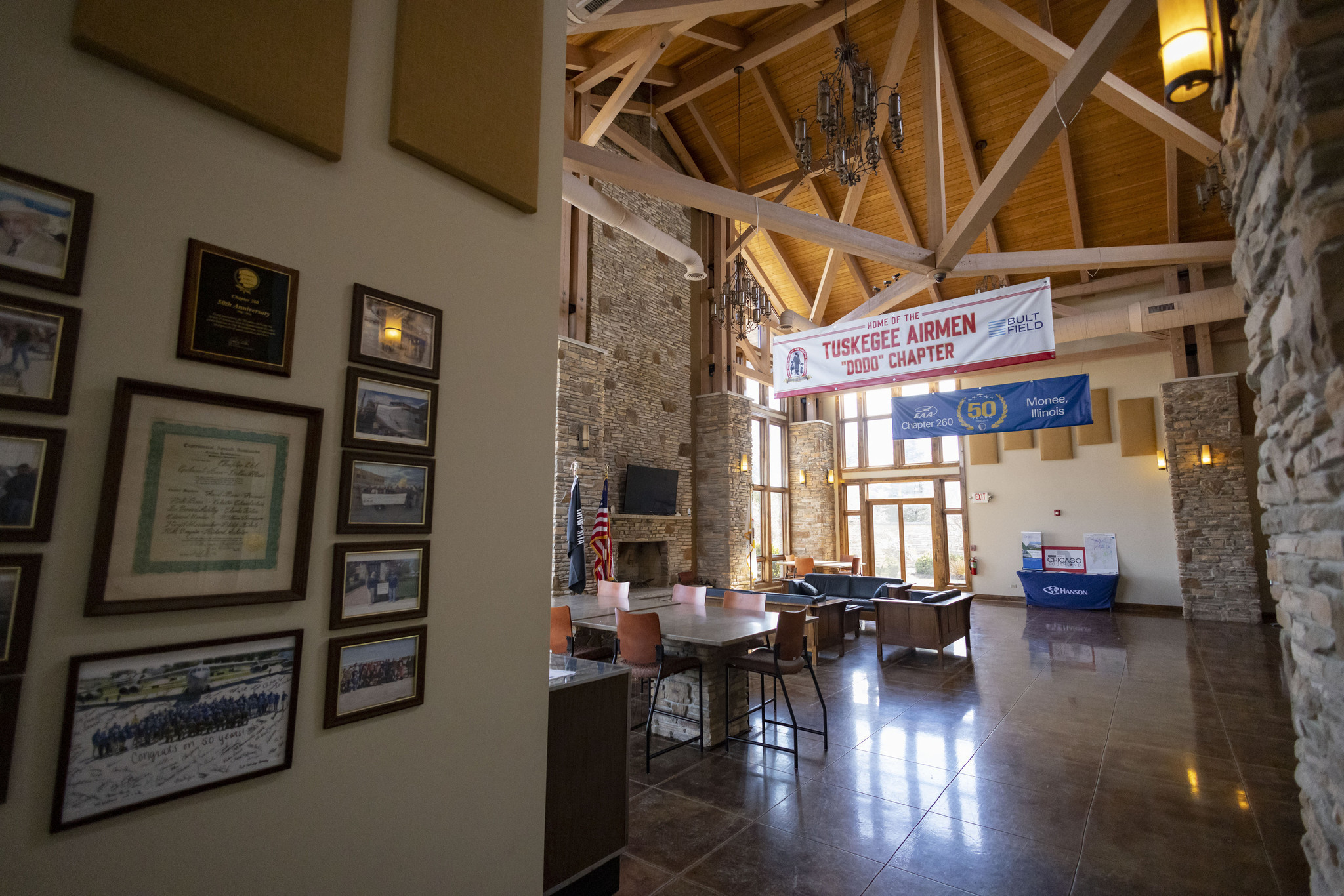
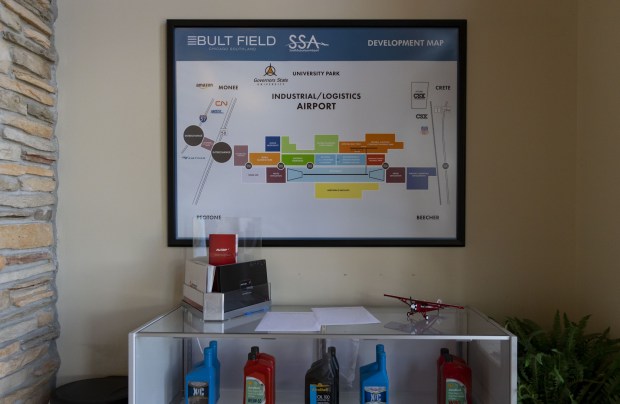
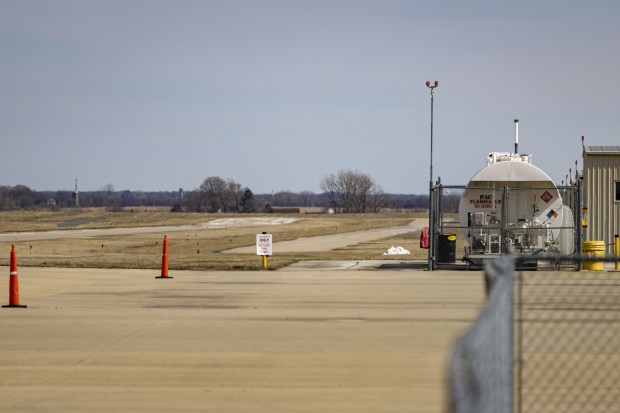
One point would be laughable if the subject of the airport wasn’t such a serious issue for the region’s economic future. Critics claim the airport, proposed for Bult Field, 28261 S. Kedzie Ave., Monee, would negatively affect Midewin National Tallgrass Prairie in Wilmington.
“Environmentalists say the airport and new roads would lead to paving over wetlands, destroying flood plains, damaging the quality of streams and harming the remarkable Midewin National Tallgrass Prairie,” the Chicago Sun-Times wrote in an editorial.
The prairie is a gem. But claiming a project more than 20 miles away will harm bison grazing in Midewin fields is like saying shadows from Willis Tower would interfere with White Sox players at Guaranteed Rate Field.
Airport supporters pushed back against the ridiculous claim.
“As for ‘concerns’ about the Midewin Tallgrass Prairie, dozens of flights from O’Hare and Midway fly over it every day with no effect to the buffalo,” Reggie Greenwood, executive director of the Chicago Southland Economic Development Commission, wrote in a recent email to airport supporters.
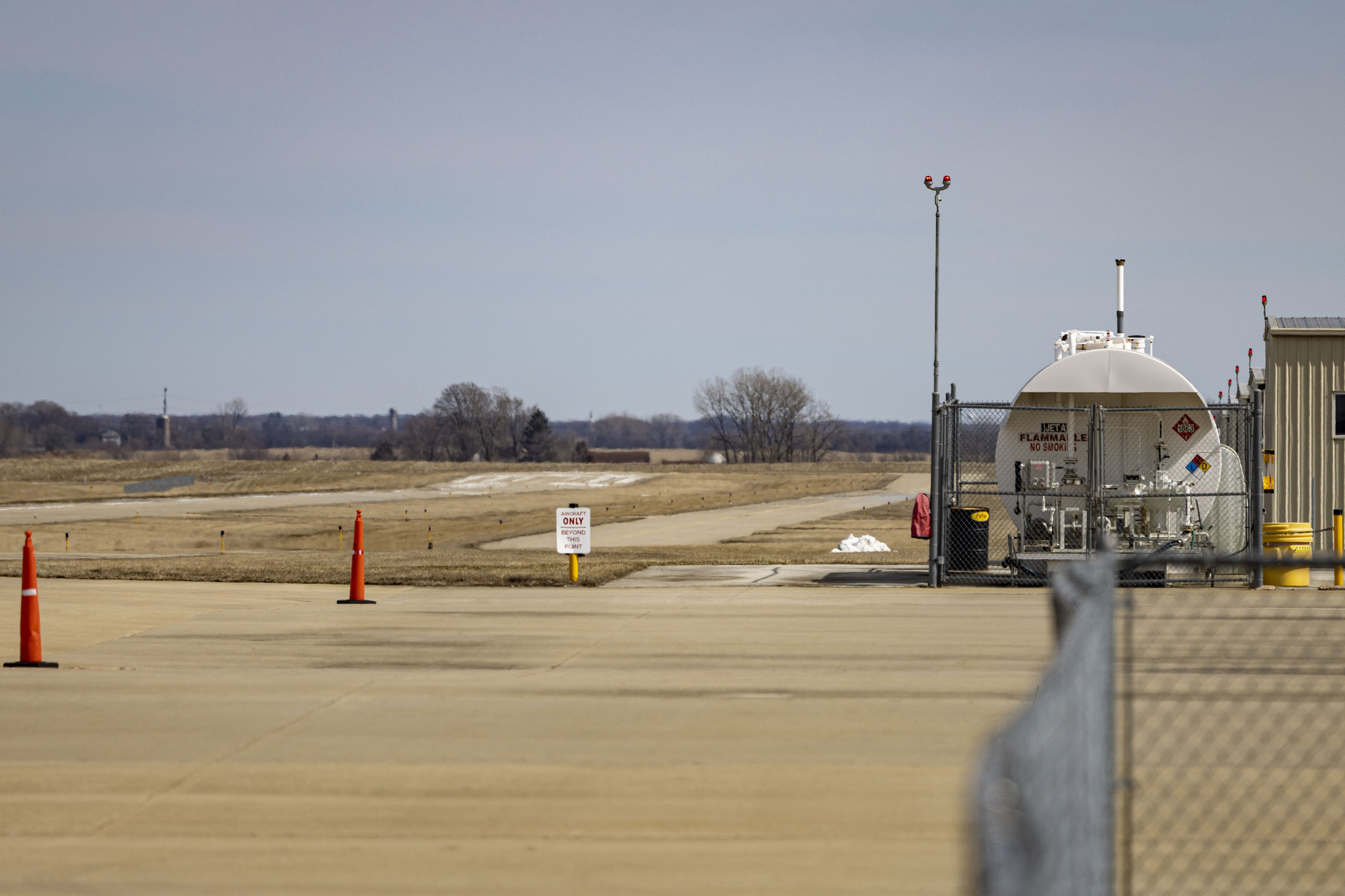
Airport critics like to argue building the South Suburban Airport would plow under precious farmland. Those 5,000 or so acres of corn and soybeans help feed hungry people around the world, they argue.
The truth is, we’re getting more bushels of corn and soybeans out of every acre of farmland than ever before.
“Did you know that total farm production nearly tripled between 1948 and 2017?” according to the U.S. Department of Agriculture. “Even as land and labor used in farming declined, innovations in animal and crop genetics, chemicals, equipment and farm organization have enabled continuing growth in farm output.”
Imagine how much farm productivity will continue to increase in the future. With advancements in hydroponics and the growing popularity of urban agriculture, indoor farms are sprouting up in vacant former retail spaces. Wilder Farms, for example, grows produce inside a former Target store at River Oaks in Calumet City.
The Environmental Law and Policy Center is a longtime foe of the project. Kevin Brubaker, the group’s deputy director, recently raised the Midewin and farmland arguments during an interview with WTTW.
He also claimed there was no need for a cargo airport near Peotone because existing facilities at O’Hare and Rockford were sufficient to handle need. I reached out Wednesday to ask why the group was concerned about South Suburban Airport’s impact on the environment but seemingly unconcerned about similar projects.
A group representative said Brubaker would be best able to answer my questions, but we were unable to connect before my deadline. My questions sought to understand why environmentalists seem to raise such a fuss about Peotone while remaining mum about other developments.
Why was the Environmental Law and Policy Center apparently silent while others sued in an unsuccessful attempt to block the Rockford airport’s expansion into the environmentally sensitive Bell Bowl Prairie? A court ultimately cleared the way for the airport to expand, a move that conservationists said threatened virgin prairie and an endangered bumblebee.
Given the group’s concerns about Midewin, why could I find no record of the group raising similar concerns about O’Hare’s impact on such environmental preserves as Morton Arboretum, which is just as far from O’Hare as Midewin is from South Suburban Airport?
Some critics seem to cherry pick reasons to oppose a project that is destined to become an economy dynamo for the south and southwest suburbs. State Sen. Rachel Ventura, D-Joliet, last week voted against House Bill 2531 and outlined her reasons in a statement, WJOL reported.
“If this airport is built, the residents of Will County are going to face increased truck traffic on our roadways and interstate highways,” according to Ventura.
Residents of Will and southern Cook counties are already dealing with increased truck traffic. If more cargo bound for the Chicago area is flown into the Rockford airport, won’t that lead to increased truck traffic on other roads?
“Overall, the airport is a bad deal for Will County residents who are likely to see more congestion, more accidents, more pollution, and higher property taxes to pay for road repairs,” according to Ventura.
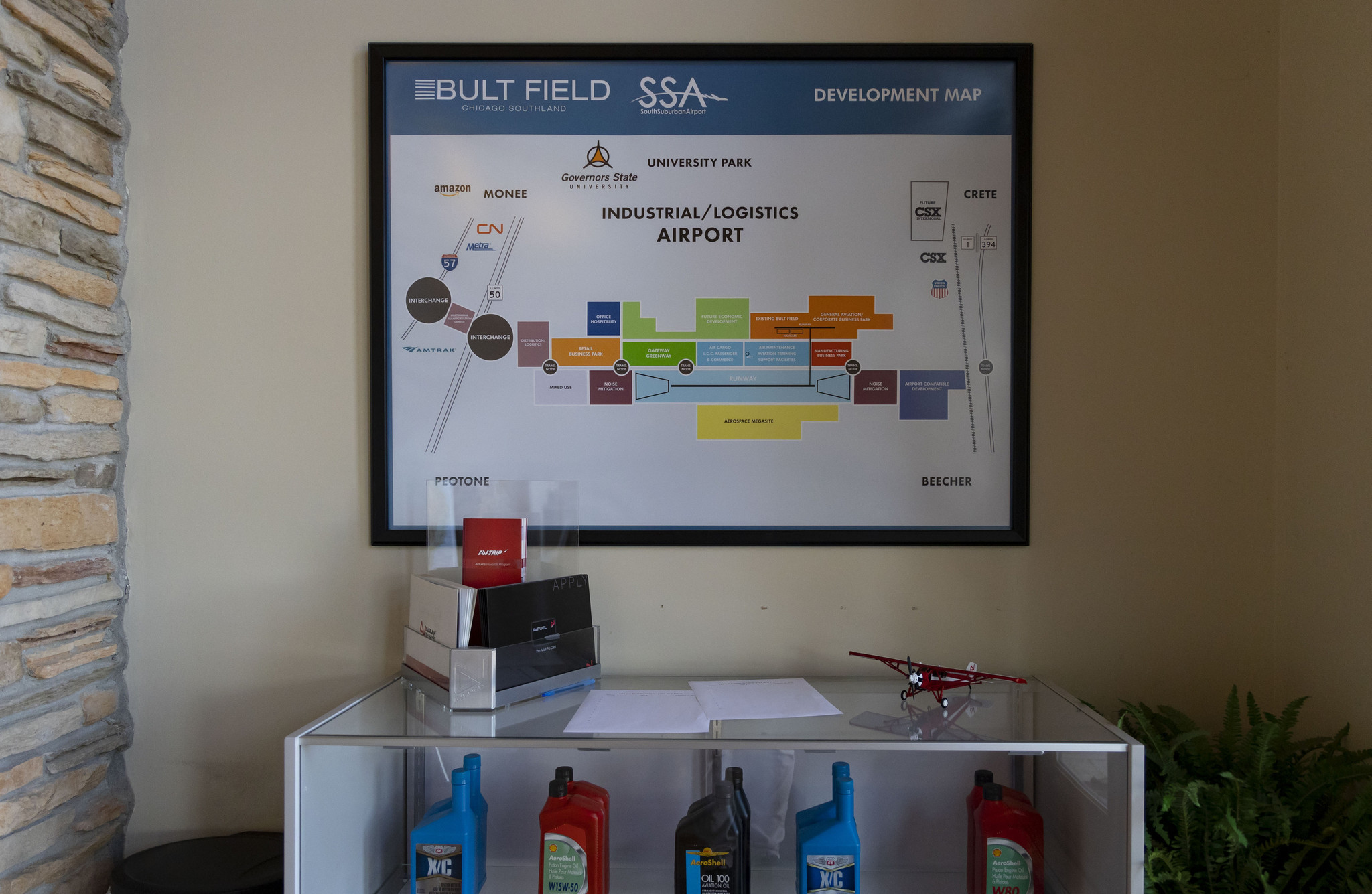
A state senator should know property taxes do not fund road repairs. Property taxes primarily fund local education and such municipal services as police and fire protection. Federal and state governments typically distribute motor fuel tax revenues to finance improvements to regional and local roads.
Ventura’s arguments seem disingenuous, or deliberately misleading. A state senator should also know that commercial developments tend to ease the property tax burden on homeowners. There are downsides to logistics and warehouse developments, but increased property taxes to pay for road improvements are not among them.
Finally, critics claim no airlines or cargo carriers are interested in using the South Suburban Airport. Incredibly, they simultaneously point out that air cargo business is booming at Rockford, O’Hare, Gary and Milwaukee.
For a company like Amazon, time and distance mean money. Every mile an item has to travel to Tinley Park from Rockford instead of Peotone means less profitability. Multiply that by millions of items traveling millions of miles every year and you begin to understand the value of proximity to a metropolitan area.
“Airlines never build airports, they use airports built by developers in partnership with public bodies,” Greenwood wrote to supporters.
The only legitimate argument against the South Suburban Airport comes from a small number of rural residents who are understandably upset about how the project will change their lives.
Residents near O’Hare expressed similar concerns in 1942, when the government acquired the bucolic land known as Orchard Place, which inspired what to this day remains the FAA designation for O’Hare: ORD.
Documentary filmmakers have chronicled South Suburban Airport opposition over the past 30 years. It’s lazy to argue the state should not invest public funds in a project that will reap dividends in economic growth and increased tax revenue for generations to come.
Yes, it costs taxpayer dollars to build an interchange. But that infrastructure investment always attracts new business investment that creates jobs and grows the tax base.
Changing trends in commerce show the need for additional air cargo capacity to serve the Chicago area. That’s progress. The South Suburban Airport is for the greater good. To oppose the project at this point is to deny an inevitable reality.
Ted Slowik is a columnist for the Daily Southtown.