
Orland Park will commit up to $33 million in order to see a long-held vision of a commercial, walkable downtown created near the village’s 143rd Street Metra station, according to a tentative redevelopment agreement.
Sometimes called the Main Street Triangle because of the property’s shape, the village-owned land northwest of La Grange Road and 143rd Street would be developed with the help of a new tax increment district and a series of bond sales by the village, according to the term sheet discussed by trustees Monday.
The Village Board is scheduled to vote on the proposal Nov. 6.
Orland Park has been in talks with Edwards Realty Co. of Orland Park to develop the property, and Edwards would have the responsibility to see the multimillion-dollar project through, according to the preliminary agreement.
It anticipates a total project cost of $80.5 million, with nearly 150,000 square feet of office, retail, restaurant and entertainment space. No residential uses are planned.

“I think finally we have a very workable plan,” Mayor Keith Pekau said Monday. “It meets the goals of the village and will enhance this area once and for all.”
Ramzi Hassan, Edwards’ president, said “there is nobody who wants to see this developed more than me and my company,” noting the company’s office is in Orland Park, he’s a village resident and he has “driven past the site multiple times a day for many, many years.”
“This has taken a lot of time to get here,” he said.
Because of the village’s regional drawing power, Hassan said he expects the downtown development will include a pedestrian-only entertainment district with bars, restaurants and other entertainment options.
“The one thing we’ve continued to lack is a downtown,” he said. “That central location is what we have all been craving.”
Hassan’s company owns the Orland Park Crossing shopping center northeast of La Grange and 143rd, but said he doesn’t see that center and the planned downtown competing for the same type of tenants.
“I think we will be complementary on this side,” Hassan said of the downtown project.
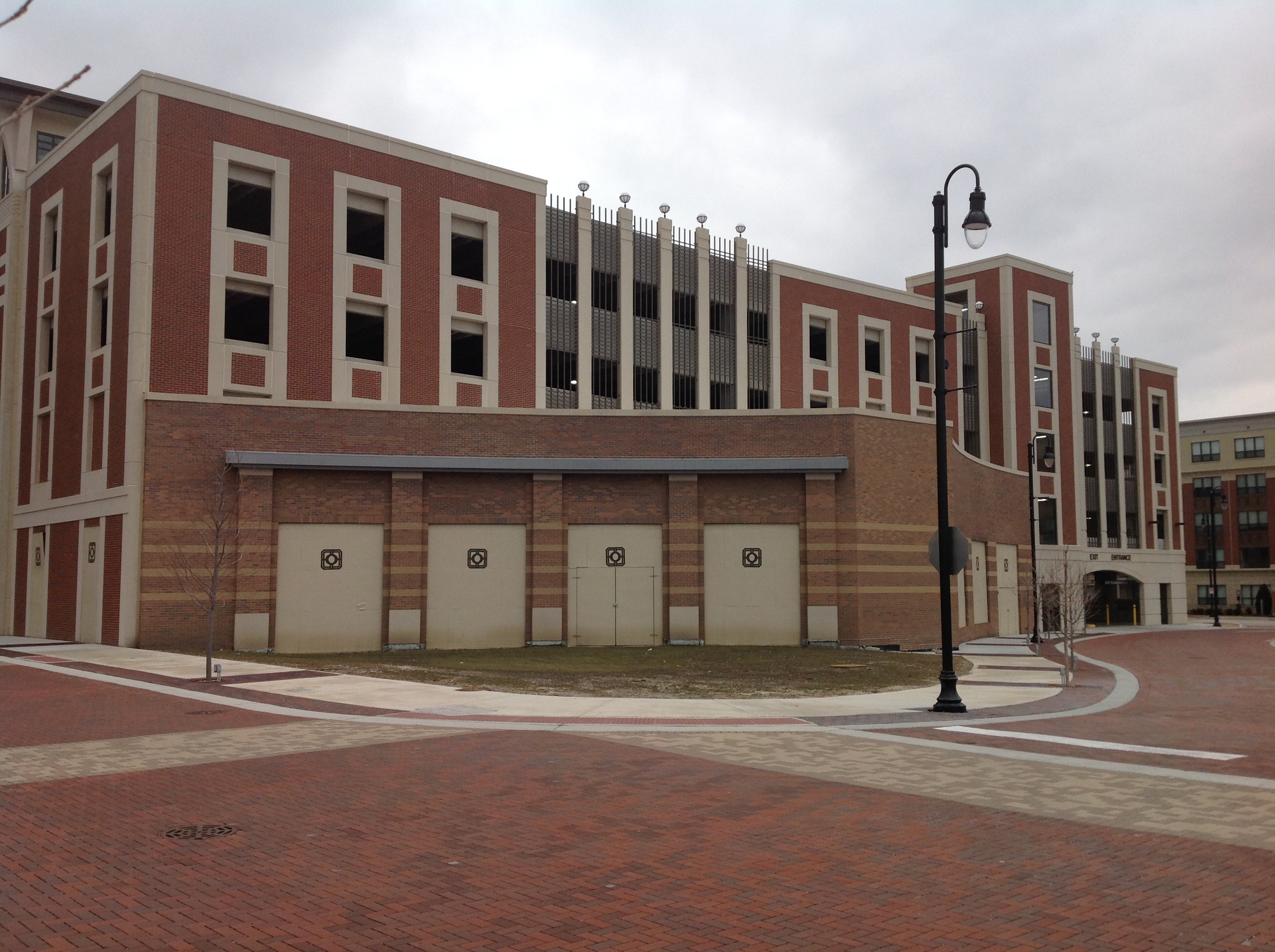
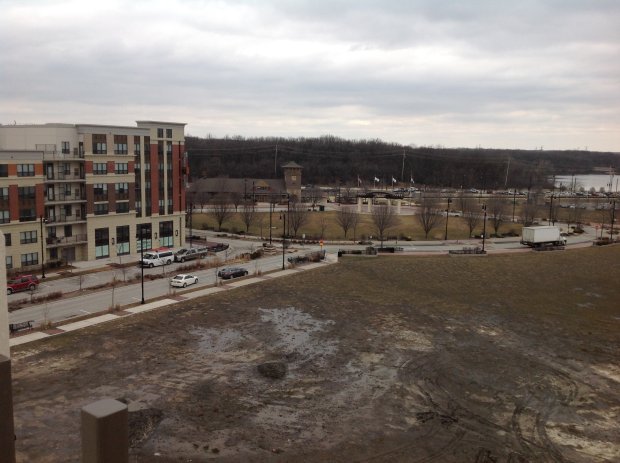
The triangle includes the Ninety7Fifty on the Park apartments, University of Chicago Medicine Center for Advanced Care and a multilevel parking garage between the apartments and medicine center.
The term triangle comes from the site’s northern border of the Metra SouthWest Service line and Southwest Highway, eastern border of La Grange Road and southern border of 143rd Street.
Within the larger 27-acre triangle there are a bit more than 9 acres spread among five sites that are open for development and owned by Orland Park. The village hired Edwards in March 2021 to consult on potential uses for the village-owned land, with an aim of negotiating a master development agreement with the company.
Some of the money to repay the bonds would come from a 1% increase on the sales and hotel tax imposed on businesses within the district, with the tax in place for up to 23 years, according to the agreement.
That would be on top of the village’s home-rule sales tax, which is now 0.75% but will go up to 1.25% on Jan. 1.
Increases in property tax revenue generated within the district would also be tapped to reimburse the developer for certain costs and pay off the village debt, according to the agreement.
Pekau noted the village’s financial assistance “will be generated by the project itself,” and that not all of the bonds would be sold at once but issued as the development progresses.
The timetable calls for the village’s Plan Commission to hold meetings, including public hearings, in January and February on the overall development plan, with the Village Board voting on a redevelopment agreement with Edwards by next June.
Village-owned land would be sold in pieces to Edwards, and reimbursement for its costs would be spread over at least two decades.
The development agreement proposes at least 37,000 square feet of office space, at least 84,000 square feet of a mix of retail, restaurant and other commercial tenants, and a minimum of 26,000 square feet of entertainment uses.
The developer would also work to bring a microbrewery to the 12,000 square feet of village-owned space at the base of a parking garage next to the medicine center. It would also “use commercially reasonable efforts” to secure a retail use for the 143rd Street Metra station, according to the proposed agreement.
Hassan said a “high-end day care center” is interested in locating in the development, on a small site in the southwest corner, immediately west of Ninety7Fifty.
Of the village’s total financial commitment, $10 million would be earmarked for relocating utilities on the site and building what has been described as Heroes Memorial Park, which would honor first responders.
It would replace the existing Crescent Park, just south of the Metra station, and be moved a bit to the southeast, to the north of the parking garage, and include an ice-skating rink.
The proposed agreement states the value of all the land that could be sold to the developer is $4.1 million, and that prices range from $75,000 to $1 million.
A special service area would be created within the development and use property tax money to pay for things such as road maintenance, stormwater infrastructure, maintenance of common space and park areas and seasonal decorations for common areas.
A five-person committee comprised of the assistant village manager, village finance director, one trustee and two members of the development team would oversee the service area, meeting at least twice a year, and evaluating maintenance costs and how much money needs to be levied.
The village anticipates that until the special service area generates enough revenue to take on those expenses, it will be up to the village to assume costs of the maintenance work.
The redevelopment agreement calls for Orland Park to create a new tax increment financing district covering the property by early next year.
Orland Park can, through the TIF district, use generated funds to reimburse the developer, but village officials have said they will need to either extend the life of the existing TIF district or create a new one.
In a TIF district, property taxes for all government bodies are frozen at levels at the time the TIF is created and any increase due to higher property values, the increment, is used to pay for improvements or incentives.
TIF districts typically expire after 23 years but can be extended to up to 35 years.
The triangle’s TIF first tax year was 2003, and the thinking by village officials is by the time much of the development is completed, the TIF will have expired or have just a few years of life left. That would shorten the amount of time development costs could be recouped.
mnolan@tribpub.com