

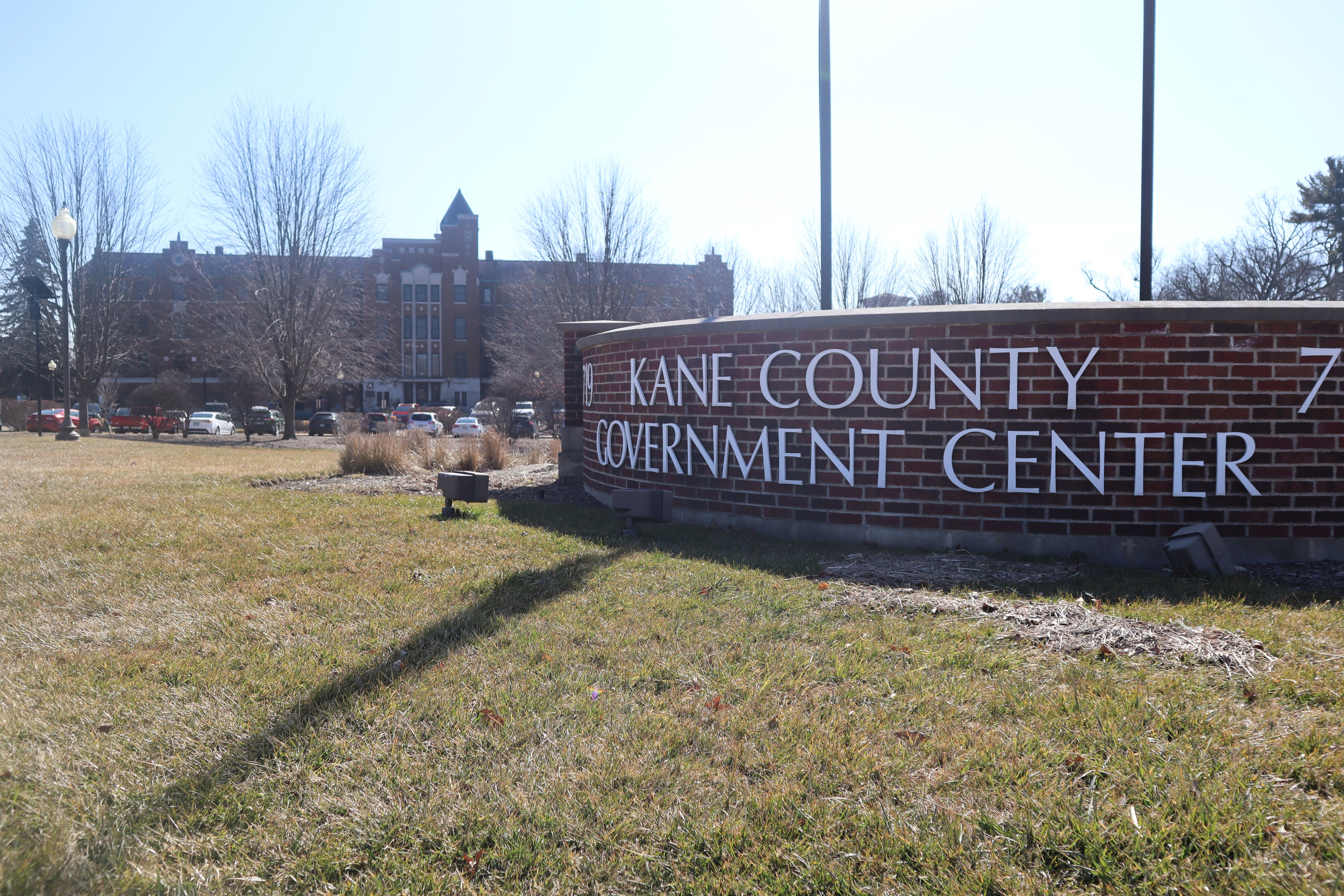

As a multimillion-dollar shortfall for the county’s 2026 budget looms, the Kane County Board’s Finance Committee has begun to consider how to cut spending — and where it can find some additional revenue.
Most recently, the Finance Committee is recommending cuts across the county’s elected offices — like the sheriff’s and state’s attorney’s offices — and departments, based on what each of those entities spent in 2024. This is meant to help the county close its budget deficit for the new fiscal year, which begins on Dec. 1.
The county is also set to consider revenue-related measures in the coming months, among them a property tax levy increase and the reallocation of certain funds, to help balance the budget.
The Kane County Board has long been facing an impending county budget shortfall. Last year, the county used roughly $27 million in general fund reserves to balance the budget, according to past reporting, a practice that has been going on since 2023.
Now, the county is on pace to dip below the required 90-day reserves by 2027 if revenue and spending remains level, county officials have said.
Given the impending shortfall, the county has been grappling with how to close the gap without relying on reserves. One solution was an additional revenue stream, most notably a proposed 0.75% sales tax that voters overwhelmingly shot down in the April 1 election.
Since the failure of the referendum question, the county board has been discussing how to cut costs — and potentially bring in some more revenue to the county’s general fund.
To handle its budget woes, the county put together a working group, which included board members Bill Lenert and Vern Tepe, Finance Director Kathleen Hopkinson, Executive Director of Information Technologies and Buildings Management Roger Fahnestock and Executive Director of Human Resources Jamie Lobrillo. The group presented its cost-cutting and revenue-finding suggestions at a Kane County Board Finance Committee meeting on July 23.
Finance Director Kathleen Hopkinson said that the county’s 90-day reserves, assuming a $140 million budget, amount to $35 million. If the county puts together a budget for 2026 using a similar amount in fund balances as it did last year, she said, the county would be below its 90-day reserves and will have started digging into its general fund special reserves balance.
The working group’s findings suggest that — without some potential reallocation of revenue the county board is considering — the county is anticipating revenue of about $112 million. And, according to its presentation, the preliminary budgets submitted by the county’s elected offices and departments sit at roughly $140 million, far outpacing expected revenue.
Cutting costs
To begin to close the gap, the working group’s proposal is to recommend that all of the county’s offices and departments reduce their budgets to what was spent in 2024.
The Finance Committee made a similar ask of the offices and departments last year, requesting they cut $5 million collectively from their proposed budgets, according to past reporting. This year, they’re asking the offices and departments to shave off nearly $16 million in total.
Using 2024 expenses as a guide would put the budgets of the county offices and departments at about $124 million. In comparison, the 2025 general fund budget totaled $138.9 million, according to past reporting.
This could entail cuts of more than $4 million to the Sheriff’s Office and more than $3 million from the State’s Attorney’s Office, for example, according to the working group’s figures. The majority of the reductions — a little under $14 million — would be coming from the elected offices, putting their collective budget at around $85 million for the year.
The county departments would be getting around $17 million in total, with cuts of a little under $300,000 from the budgets they submitted for the year, per the working group’s numbers. The other major portion of the general fund — which Hopkinson has said includes employer health and dental contributions, countywide technology and debt service payments — would see a little less than $1.7 million in cuts, for a total budget of about $21.8 million.
At a special meeting of the Finance Committee on Wednesday, board member Vern Tepe noted that in 2024 pay inequities in the county had been remedied and the SAFE-T Act was already in place. The SAFE-T Act ended cash bail and has since drawn some concern from county officials about increased expenses in their offices.
Tepe said all of the individual budgets will still be presented to the individual committees, which will likely bring some changes, and then the Finance Committee will approve them again.
As for the timing, board member Jon Gripe expressed some concern.
“We’re going to back ourselves into a very difficult, ‘Oh my gosh, we’re out of time. We’ve got to do this’ (situation),” he said on Wednesday.
Board member Clifford Surges pointed out that smaller departments will most likely have less to cut and will likely struggle to reach the budget goals the working group is setting, to which Tepe said the county’s internal departments are working together as one group to cut their expenses collectively.
There was some discussion among the committee about whether the proposed cuts needed to be made for each elected office and department individually, or if the cuts could come from their collective budgets in the amount of the total needed to be cut across the departments or offices.
As a result, Kane County Assistant State’s Attorney John Frank revised the wording to allow the offices and departments to decide amongst themselves whether they were each responsible to cut their budgets to their 2024 numbers, or if the cuts could come from the departments and offices as a whole, a change that was approved by the Finance Committee.
The resolution recommending the cuts was passed by the Finance Committee, meaning it will go on to the Kane County Board Executive Committee, and then to the full County Board for final approval at its Aug. 12 meeting if approved by the Executive Committee.
Individual budget presentations at the county’s various committees will be happening following the Aug. 12 County Board meeting.
Finding more revenue
This measure only accounts for the expense portion of the budget, however. The board is also considering various revenue-related proposals.
For example, the Finance Committee is also considering a possible hike in the property tax levy for the upcoming year.
Finance Committee Vice-chair Bill Lenert said that a 2.9% levy increase based on the Consumer Price Index would generate around $2 million for the county. The maximum percentage the levy can be increased is either the CPI or 5%, whichever is lower.
Last year was the first year since 2013 that the county board increased the general fund property tax levy except to account for new construction, according to past reporting.
The measure discussed by the committee Wednesday is not the approval of the CPI increase for the tax levy itself, however, Kane County Board Chair Corinne Pierog noted. It’s just approval to use that percentage as the proposed increase while making the budget. She said that final approval of the levy will be brought forward at a separate vote, likely in November.
Passing the committee with Lenert and Surges voting against, several board members spoke in support of a property tax levy increase.
Tepe, for example, said he thinks of $2 million in revenue as 20 employees the county can keep on its payroll.
And board member Anita Lewis pointed to a levy increase as an adjustment for inflation.
“There’s many taxes that I don’t support,” Lewis said. “This is one I will because … it’s really an adjustment for inflation. I think we have to take it because, just like every household and every other business, everybody, as electric costs go up and gas costs go up and all those things, we have to keep up with that. This really has nothing to do with employments and cutbacks.”
Another revenue proposal under consideration by the board is a reallocation of money generated by a sales tax levied by the Regional Transportation Authority.
The RTA sales tax is a tax that helps fund public transportation in Cook and the collar counties. The RTA collects a 0.75% tax in Kane and the other collar counties, of which one-third is distributed back to each county to be used for transportation and public safety, according to past reporting.
The reallocation of RTA sales tax money was tabled in July, but is also set to go for board approval in August.
Also suggested by the working group was reallocating some funds generated by the Grand Victoria riverboat casino in Elgin to further minimize the budget shortfall.
At the previous Finance Committee meeting on July 23, members of the County Board also discussed a proposal for the county to implement a 1% grocery tax, to replace the revenue previously generated for the county by a statewide grocery tax that is sunsetting at the end of the year.
The committee was uncertain about the exact amount a 1% grocery tax would generate. Hopkinson said the revenue would only come from retailers in unincorporated Kane County, amounting to at least $60,000 a year — but it could be higher. Since it would be replacing the statewide tax that’s ending, it wouldn’t be a source of additional revenue, but essentially would allow the county to retain a source of revenue it has already been getting.
In a 2-3 vote, the proposal ultimately failed to advance out of the Finance Committee, though it could be reintroduced by the board chair at a later date.
Now, these expense and revenue proposals will continue to move through committee and potentially go on for full approval by the Kane County Board in the coming weeks. Last year, the county put its draft budget on display in September. The board must approve a budget by Dec. 1, the first day of its new fiscal year.
But, while the committee noted the short timeline, some board members said they felt it was a necessary first step.
“We haven’t solved any problems yet,” Finance Committee Chair Dale Berman said on Wednesday. “What we’ve done is what we said we wanted to do, and that was to find our beginning point.”
mmorrow@chicagotribune.com


