
As Homer Glen celebrates its 25th anniversary, village leaders find themselves advocating again for local control, the same issue they sought to address with incorporation.
Residents in 2001 approved a referendum to form the village out of an unincorporated area of Will County in a desire for decisions to be made locally, rather than by county officials.
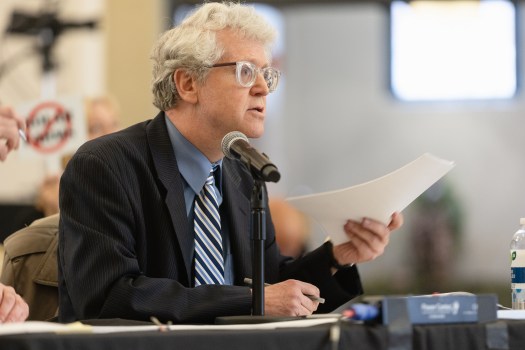
The Village Board on Wednesday said a housing proposal brought forth by Gov. JB Pritzker would take away their local control and voted 4-0 to oppose the state’s plan.
During Pritzker’s State of the State address earlier this year, he offered the Build Initiative proposal to help make renting and owning homes more affordable. Illinois is short about 142,000 housing units and will need to build over 225,000 units in five years to keep up with growing demand, a news release from the governor’s office said, adding the state’s residents are spending more of their income on housing.
The proposal could include statewide zoning standards, minimum lot sizes, mandates for increased residential density allowances, legalization of accessory dwelling units and limitations on minimum parking requirements.
Homer Glen officials called it an overreach that would change the village’s character, if enacted.
“This will be a detriment to our community,” Trustee Rose Reynders said.
Village Manager Joe Baber asked residents to file witness slips in opposition to the plan.
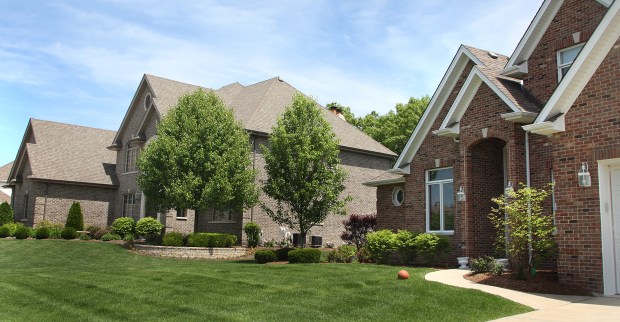
Mayor Christina Neitzke-Troike said residents move to Homer Glen because they desire a quiet lifestyle and enjoy its open spaces, equestrian fields and low density housing.
“The whole reason we incorporated was to control our destiny,” she said. “We have a vision of how we want our community to look. Taking away a community’s right to preserve its vision is ridiculous.”
The village promotes low density housing and slow growth, and many elected officials campaigned against building apartments or multi-family high density housing to maintain the rural feel.
If the state’s housing legislation advances, the village may not be able to keep the town’s quaint look, Neitzke-Troike said.
“We are community and nature in harmony,” Neitzke-Troike said. “People who move here want peace.”
Trustee Curt Mason called the state’s proposal a “one-size-fits-all” solution that would “not actually work.”
“Zoning decisions are best made by local leaders who understand the specific geography, infrastructure and our housing needs,” he said.
Mason said the proposed state legislation will decrease property values, put a strain on schools, police and fire services and create more traffic problems.

A 2023 study by the Lakota Group regarding a potential town center found residents had strong opposition to rental apartments, were concerned about housing density and preferred larger-lot sizes.
The Village Board also approved a Dunkin’ to be built on land north of the Speedway gas station on the northwest corner of 151st Street and Bell Road.
The existing Dunkin’ within the Speedway will relocate to the building when its lease expires in May, village officials said.
The 965-square-foot building will be for drive-through service only and without any indoor customer service. It is expected to be open from 4 a.m. to 8 p.m.
Michelle Mullins is a freelance reporter for the Daily Southtown.