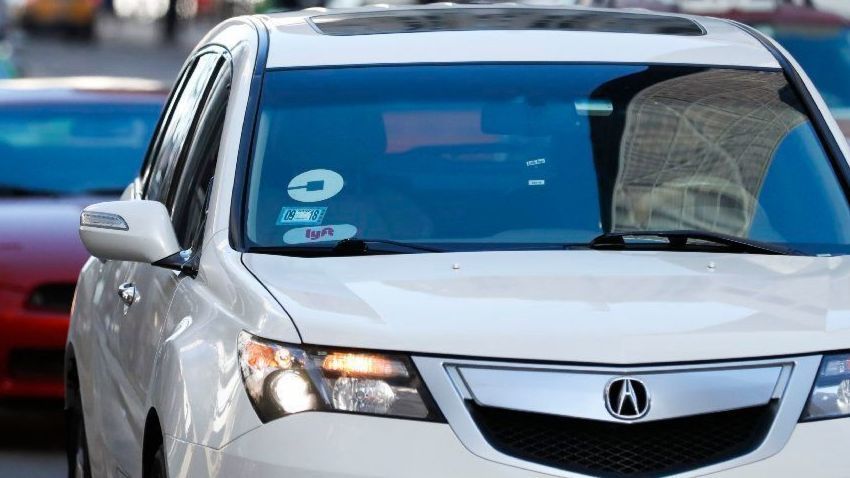

Naperville School District 203 parents will be able to hire rideshare services, such as Uber or Lyft, to pick up their children during school hours under a policy the school board wants in place before school resumes in August.
However, board members Monday delayed voting on the rideshare waiver, designed to protect the district from liability for rides students take to leave the school campus, until legal counsel can provide more clarification on the rules.
The district has seen an increase in students using a rideshare service as a means to get home or to an appointment in the middle of the school day.
Numbers indicate one to two junior high school students typically use such services every month, district officials said. It’s not known how many high school students take rideshares because their campuses are open but it’s rarely used by elementary school students, officials said.
As currently proposed, the district’s waiver makes it clear that parents and guardians will use such services at their own expense and risk. The district is not responsible for screening or assessing the safety of any private service, driver or vehicle nor will it be require an employee to accompany the student to the vehicle or during the ride.
One provision several school board members want added would mandate that the waiver apply only to students 13 or older.
Uber and Lyft currently offer services in which parents can monitor their children when they are in a rideshare vehicle if they are between the ages of 13 and 17.
While these private transportation companies now only offer rides to teens, the companies could lower the age limit in the future, which is why the district should explicitly state a minimum age, board President Charles Cush said.
Cush also wants to ensure protections are in place to prevent “enterprising and creative” students from trying to skip out on school by signing a rideshare waiver on behalf of their parents.
The district initially considered a strict prohibition on students using rideshares during the school day based on safety and liability concerns, Allison Boutet, assistant superintendent of administrative services for junior high schools, said via email.
Ultimately, it was recommended a limited emergency waiver process be allowed to balance student safety with the reality that some families may have transportation issues, she said. A complete ban could create unintended barriers for students who need to leave school for a legitimate reason, such as a medical or dental appointment, an urgent family situation, an illness or a disciplinary situation, she said.
Under the proposed policy, parents would be required to sign a waiver each time they want a private rideshare service to transport their children.
The waiver comes down to student safety, Boutet said. A blanket or year-long waiver would not provide the same level of verification as a waiver giving permission each time a student leaves.
This helps prevent situations where a student could simply say their rideshare has arrived and leave without the school having clear, written permission from the parent or guardian for that particular trip, Boutet said.
Officials do not want to see rideshares being used for routine transportation.
“We would discourage the use of rideshares completely,” said Mark Cohen, deputy superintendent for high schools.
Cush said if the policy were to be implemented, it should be closely monitored during its inaugural year to ensure there are no unintended consequences.
The policy would not apply to students who use rideshares to get to and from sports practice, afterschool programs and extracurricular activities because the district is not liable outside of regular school hours.
Michelle Mullins is a freelance reporter for The Courier-News.