
A man who allegedly shot and killed his wife and daughter in a 2023 attack that shone a spotlight on protections for victims of domestic violence has died, putting an end to a criminal case that led to legislation shoring up requirements for taking guns from alleged abusers.
Jose Alvarez, 70, died after he was hospitalized in May, according to court documents. As Alvarez faced charges of murder and other felonies, a judge previously ordered him released from pretrial detention due to his health, records show.
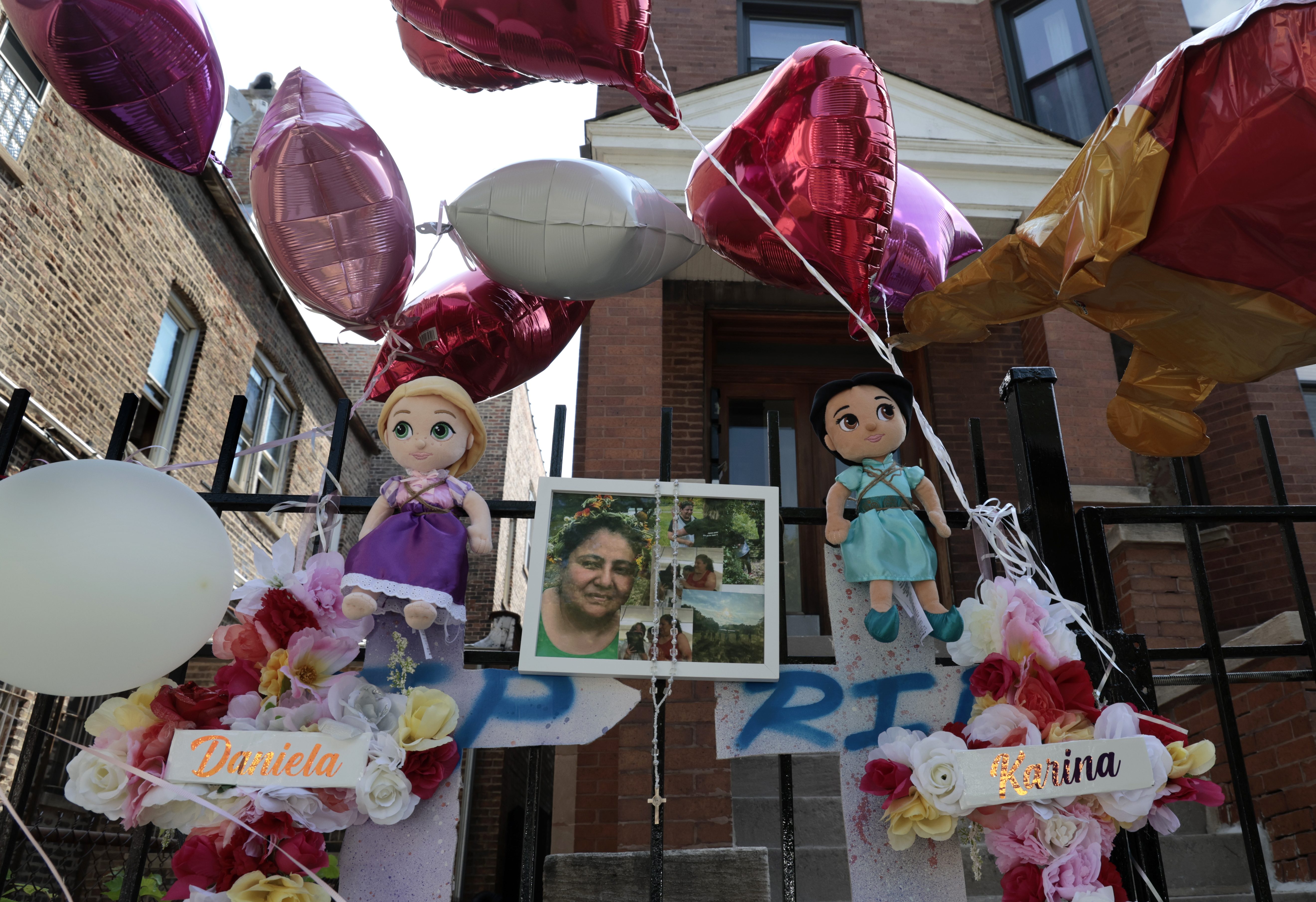
In July of 2023, Alvarez grabbed a handgun from under his pillow and shot and killed his wife, Karina Gonzalez, 48, and his 15-year-old daughter, Daniela Alvarez, while they sat together on a couch in their Little Village home, prosecutors had alleged. He also shot and injured his son while the teen hid under a dining room table.
The shocking domestic attack elicited anger and mourning in the tight-knit community and eventually led to the passing of “Karina’s Law,” which spells out when law enforcement is required to take guns from alleged abusers with orders of protection against them.
The law sought to address gaps in the system that meant that Alvarez had access to a gun in his home with his family, even though Gonzalez obtained an order of protection against her husband about 15 days before she was killed.
Alvarez previously had a valid firearm owner’s identification card for a handgun he owned, according to court records. The Illinois State Police suspended the license due to the order of protection, but the weapon was never removed from him by law enforcement.

Karina’s Law requires law enforcement agencies to remove guns and firearm identification, or FOID, cards from those subject to orders of protection within 96 hours of a search warrant being issued related to the order of protection.
Gov. JB Pritzker signed the bill into law in 2025.
“Karina’s law will protect survivors of domestic violence and give them comfort, the comfort of knowing that their abuser will not have easy access to firearms,” Pritzker said at a news conference at the time. “Taking lethal weapons from those who have already done harm and are an immediate and present danger to do further harm is simply common sense.”
At the time of Alvarez’s death, prosecutors and his attorneys were preparing for trial, arguing motions before a judge. Prosecutors sought to tell a jury information about alleged past abuse that Gonzalez told others about and included in her petition for an order of protection.
Shortly before her death, Gonzalez wrote that her husband held a gun to the back of her head while he thought she was asleep on the couch.
“In the months leading up to her murder, both Karina and (Daniela) made statements to family members and friends regarding their fear of the defendant and evidence of the defendant’s intent to kill them,” prosecutors said in a motion filed last year.
The case, though, was recorded as abated on Monday due to Alvarez’s death.