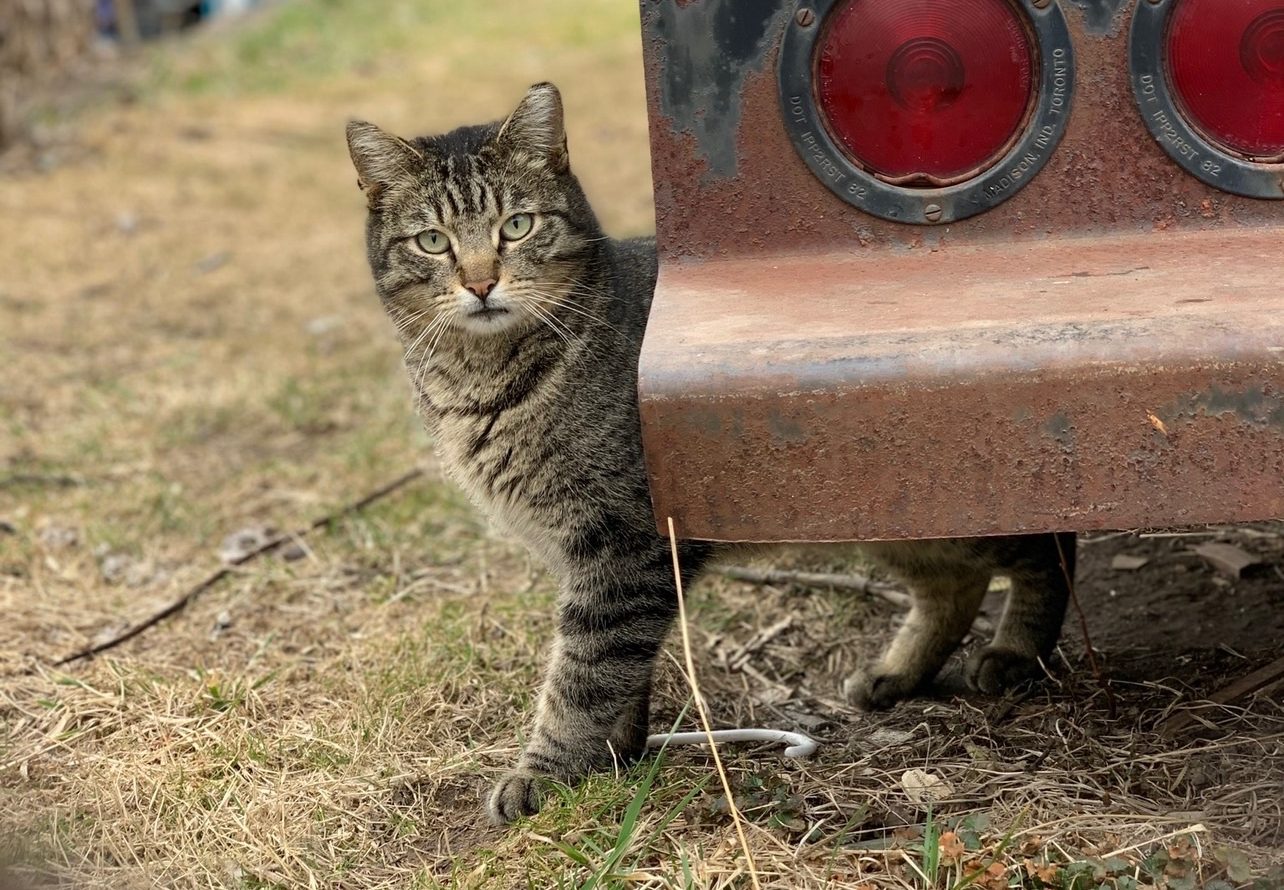

There are currently thousands of unhoused cats in Hartford. As the costs of pet ownership continue to rise, more domesticated cats are ending up on the city’s streets alongside the feral populations.
Historically, many cities have populations of wild or feral cats. Officials now are seeing more house cats abandoned on the streets as the price of pet food and veterinary care has skyrocketed since the pandemic, according to Sarai Rivera, founder of My Bella TNR cat rescue in Hartford.
“I’ve been doing this for many years, and I have never seen so many socialized cats living among unsocialized cats,” Rivera said.
“The majority of the cats we are trapping are social in some way but sick because many of them have been abandoned and not able to survive. I like to say community cats now, because it’s not just wild or feral cats we’re trapping, so I use the term socialized and unsocialized cats.”
Rivera, who was born and raised in Hartford, is a self-proclaimed cat lover. She has made it her mission to help the city’s feral cat population through spaying and neutering them in a process known as trap-neuter-return. TNR allows feral cats to be trapped humanely, spayed or neutered and returned safely to the location where they were caught.
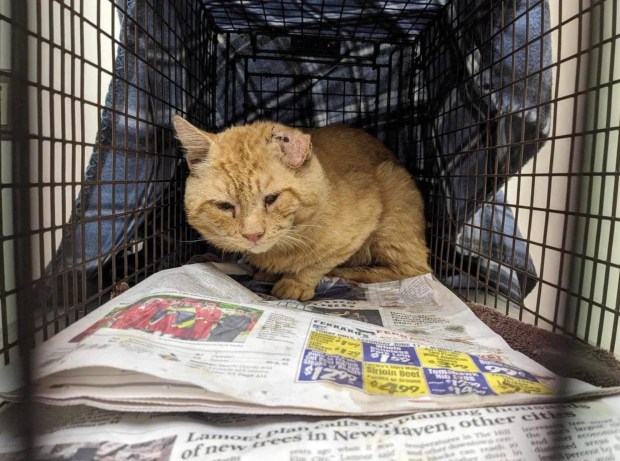
Neutering and spaying unhoused cats is considered a humane way of dealing with the exploding population. In addition, it also provides several benefits for the cats themselves. A neutered cat is often less aggressive and doesn’t fight over territory or female cats.
Spayed cats generally are often healthier because they don’t have to fight off males and need less food than pregnant females. This contributes to an overall healthier colony, according to Rivera.
In Hartford, animal control officers have said they are finding dogs dumped in parks and cemeteries on a nearly daily basis. To make matters worse, officials said that they are not being adopted fast enough.
Dog dumping has become such a problem that the Hartford Animal Shelter in partnership with the Hartford Police Department said it may be forced to start euthanizing healthy dogs as the shelter reaches capacity.
“TNR is a proven, compassionate approach that prevents unwanted litters, reduces shelter intake, decreases nuisance behaviors and improves the overall health of community cats. We also educate about keeping the cats feeding and shelter space clean to avoid troubles with wildlife or neighbors. With warmer weather approaching, the cats are out and multiplying quickly. The urgency of this effort is especially significant,” Rivera said.
“The amount of cats on the streets has gotten way worse the last few years. I would say there are thousands of cats in Hartford on the streets and dozens of colonies throughout the city. I can say that with certainty. When trapping, we don’t run into the same cats often, it’s always new cats. A female cat can have up to three litters per year and three to eight cats per litter. Kittens can also start having babies at just 4 weeks old. So the cycle can repeat very fast,” she said.
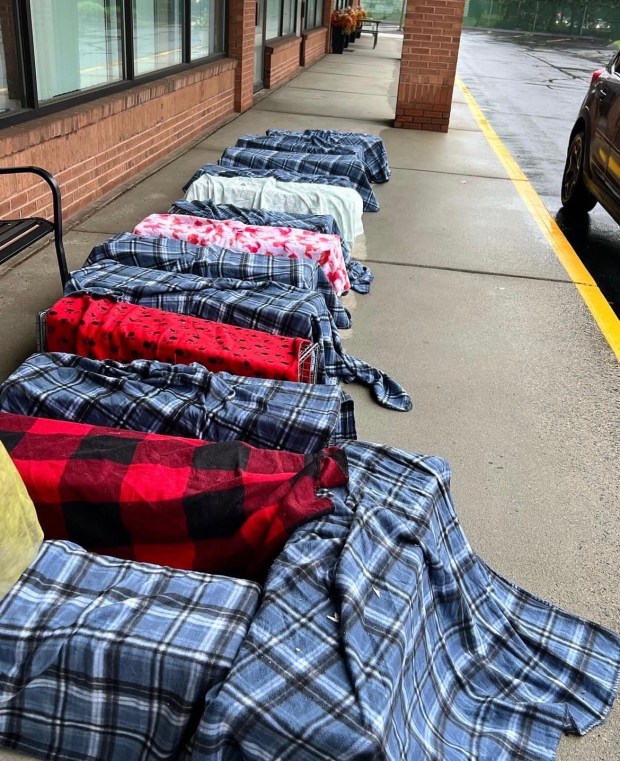
The nonprofit, named after one of the first cats Rivera adopted in 2016, has an active Facebook page that shows many of the cats she has rescued. MyBella TNR teams up with several area clinics to take the cats to get much-needed veterinary services, including neutering and spaying.
Rivera said that over 275 cats have been spayed since she first started her cat rescue organization two years ago. This year, she said that she is looking to make a larger impact and scale up operations to meet the rising demand of cats that need care. Rivera said that an anonymous couple has said they will make a matching contribution up to $5,000 to help support her efforts, but first she needs to raise $5,000 to unlock the matching funds.
“A wonderful couple, who has chosen to remain anonymous, is hoping to match up to $5,000 to support our TNR program. This matching challenge means we can potentially have $10,000 dedicated to humanely reducing the community cat overpopulation. We are a small rescue, and it takes us a longer period to raise for medical and even more for neuters. We also want to encourage people to adopt and support local rescue rather than adopting animals from out of state.”
Rivera said that if she earns enough to meet her $10,000 goal, over 170 cats can be spayed and neutered this year alone. While that may not be close to the thousands estimated in Hartford, she said it means thousands more cats will not be born this year onto the city’s streets, helping to keep the population under control.
“This would really help us, we would be able to help a lot more cats than we are now,” Rivera said. “Spaying and neutering is so important because every litter born is competing for a home already with cats already needing food, water, and shelter. So being able to help more cats will make a huge difference.”
To learn more about My Bella TNR and its mission, or to donate, go to mybellatnr.org/donate.
Stephen Underwood can be reached at sunderwood@courant.com.