

About two months before Alexander Iniguez Mercado was arrested and charged with obstructing an investigation into a planned attack on President Donald Trump’s Ultimate Fighting Championship event on the White House Lawn, federal prosecutors allege that he shared his intentions in a Signal group.
“Mentally preparing,” he wrote, according to federal law enforcement, “never known what it’s truly like to kill a man, but definitely know the aftermath of what damage I can do, I’m (expletive) ready.”
U.S. Magistrate Judge Gabriel Fuentes cited that purported statement and others Tuesday as he ordered Mercado, 20, held pending trial on a charge that he deleted the encrypted messaging app Signal after a brief phone call with FBI agents who were investigating the never-executed attack. Fuentes also referenced Mercado’s alleged statement that he would be up for “targeting DHS and taking them out while they sleep or ambushing them in their hotel rooms,” as well as announcements made within the encrypted messaging groups about plans for a second attack to take place July 4.
Mercado is the first Chicago-area person to be charged in connection with the scheme. Seven others in other states such as Washington, Ohio, Arkansas and California have also been accused in the sprawling investigation, most facing far more serious charges like conspiracy and attempted murder.
According to charges filed in the case, the group began planning violence in March and eventually coalesced around a scheme to fly explosive-laden drones over the arena and deploy snipers to shoot “high-value” targets as they fled.
Assistant U.S. Attorney Elly Moheb alleged that Mercado was an administrator of messaging groups where the attack was planned, helping to “vet” potential members and advertise their activities using TikTok flyers.
“Well, I’ll tell u this much,” Mercado allegedly wrote to another person who wanted to join the Signal group. “Peace ain’t an option.”
Moheb also alleged that Mercado had sent other group members links to “The Anarchist Cookbook,” which provides instructions for producing explosives.
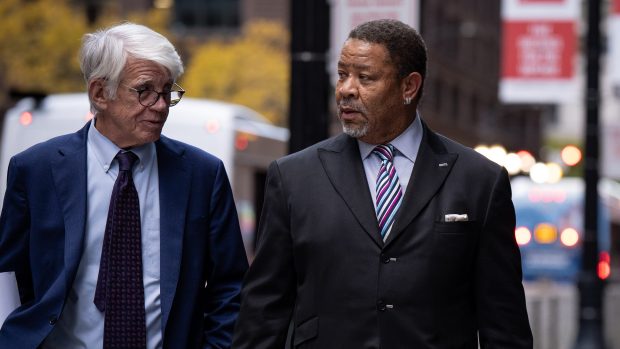
But Mercado’s lawyer, assistant federal public defender Johanathan Brooks, argued that “what the government is doing is basically high-level guesswork.” He also pointed out that while many of the other defendants appear in different complaints, none of the other criminal complaints mentioned Mercado.
“He is not someone who harbors the beliefs of these other men,” he said. Moreover, he added, Mercado become largely inactive about two months before the plans would have been set into motion.
Brooks said his client’s main interest as a member of the chat groups whose contents Moheb presented at the hearing was as a fantasy role player.
“Mr. Mercado is a LARPer,” he said.
Fuentes leaned forward over the bench, clearly unfamiliar with the term Merriam-Webster added to the dictionary in 2022.
“What’s a LARPer?”
“Live action role play,” Brooks replied. “These are toy guns. It’s a gun you can build and play Airsoft (a game similar to paintball) with. He’s not interested in any sort of plot against the White House.”
Brooks further argued that the real version of the gun Mercado was allegedly discussing in the messages goes for about $7,000, which he wouldn’t be able to afford, and said the FBI itself has discredited “The Anarchist Cookbook.” However, he continued, the publication was popular in LARP circles.
Ultimately, Fuentes said he wanted to keep Mercado behind bars out of concern for who would supervise him while he awaited trial and because of inconsistent statements Mercado had made regarding exactly when he allegedly deleted the Signal app.
“I don’t know whether he was a LARPer or not,” the judge said. “Maybe that’s what this case will end up being. But I can only go on what’s before me, and what’s before me is very, very concerning.”