





















ComEd is asking customers to cut back on power immediately amid Wednesday’s afternoon heat climax. The Chicago energy company sent out an alert for an “immediate energy reduction needed” to 78,000 customers across Chicago’s Southwest Side and western suburbs.
“Extreme heat has impacted equipment in your area and is straining the grid. Please conserve energy now,” ComEd said in a Wednesday morning alert.
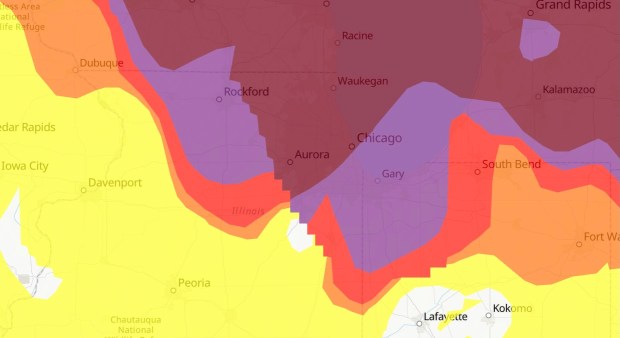
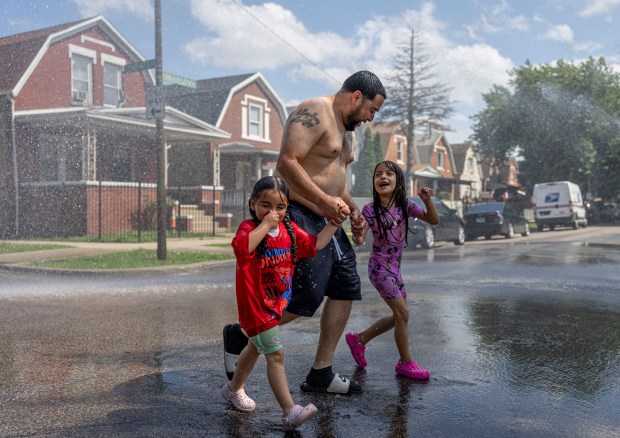
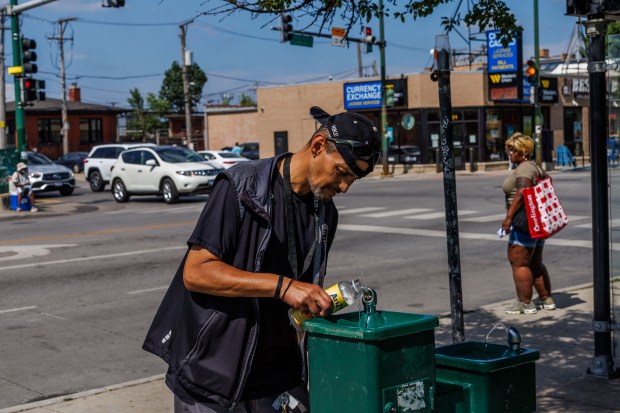
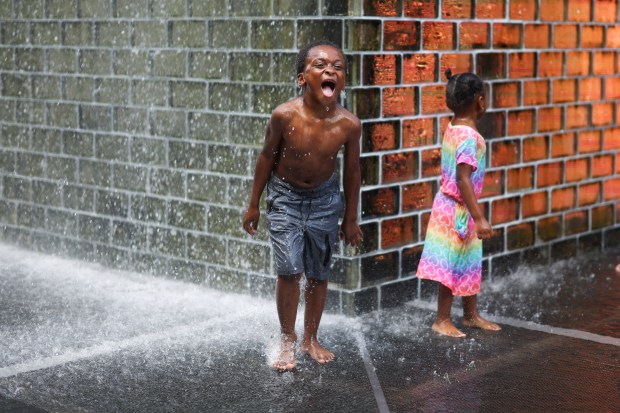
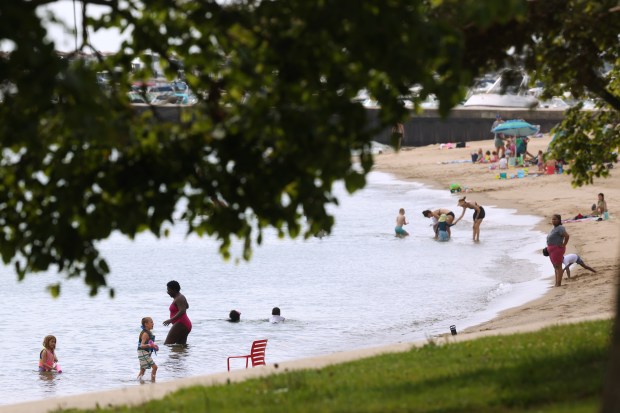
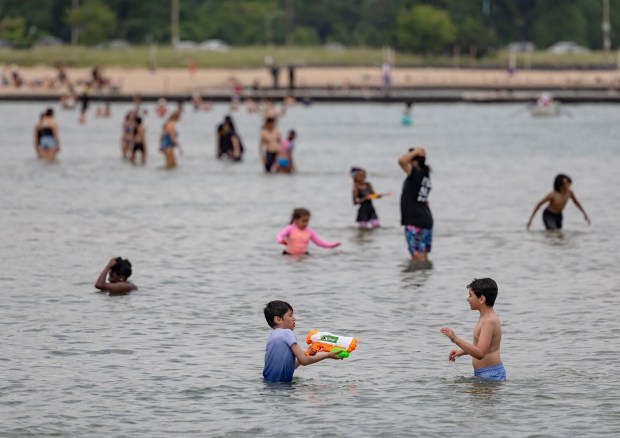
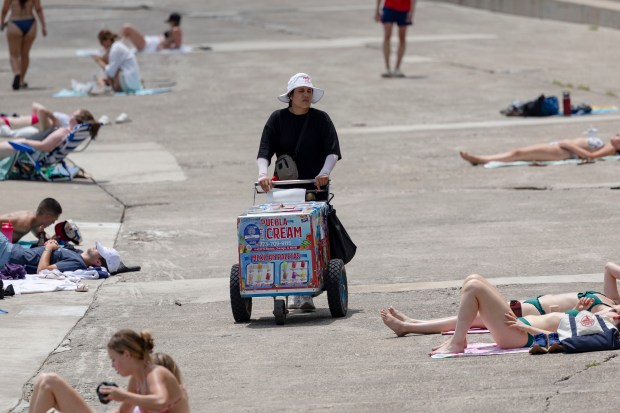
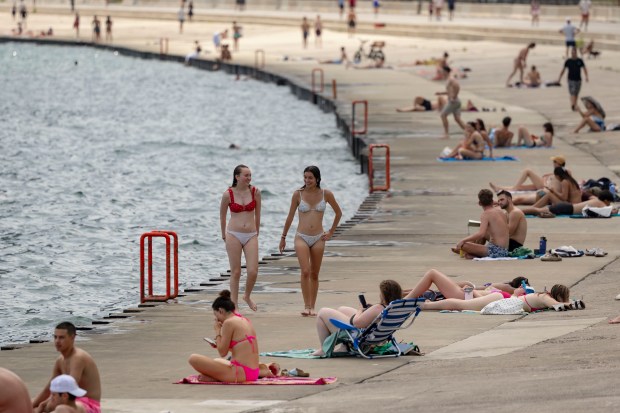
Chicago’s afternoon heat index on July 1 is expected to exceed 100 degrees, according to the National Weather Service. The Chicagoland region has an extreme heat warning in place through midnight on Friday.
Actual temperatures on July 1 climbed as high as 96 degrees, with a “feels like” temperatures as high as 104 degrees, according to the National Weather Service. July 2 is expected to be another scorcher with a high of 95 degrees. Reprieve should come as forecasted rain falls over the weekend.
These hot summer temperatures can put a strain on the energy grid, as Chicagoans crank up the air conditioning to stay cool. The sudden spike in usage, paired with potential grid infrastructure damage, can lead to outages, according to the University of Illinois Extension. A ComEd social media post said that the power grid is under a “critical strain.”
The alert was issued to customers in Berwyn, Cicero, North Riverside, Riverside, Stickney, Forest Park, Maywood, Oak Park, and parts of Chicago including Little Village, North Lawndale, Douglass Park, Garfield Park and Austin.
Despite the alert, electric outages across Chicago remain relatively low. ComEd reported around 730 power outages as of noon, which represents less than a quarter of one percent of the households which rely on ComEd.
The energy provider encouraged Chicagoans to raise their thermostat by 4 degrees, close window shades and blinds, unplug unused electronics, turn off unused lights, delay appliance use and wait until after 8 p.m. to charge electric vehicles.
Chicagoans should also take caution while driving during the heat wave. The Illinois Department of Transportation asks drivers to keep an eye out for buckled roads or “pavement failures” caused by the extreme temperatures.
Pavement failures, buckling and blowouts occur with little warning during periods of prolonged heat and humidity, resulting in uneven driving surfaces, and state transportation officials are asking the public to stay alert for crews making emergency repairs.