
Illinoisans often assume high taxes are simply the unavoidable cost of living in the Land of Lincoln. But just across our borders, states are making some very different choices.
Missouri is asking voters whether to gradually eliminate its income tax and shift more toward taxing consumption. Indiana continues to emphasize fiscal restraint and has approved further tax reductions. Wisconsin used part of a multibillion-dollar surplus to enact income tax cuts and has continued debating additional relief. Iowa phased out its graduated individual income tax in favor of a flat rate of 3.8%.
Maybe you think Missouri is making a mistake or Iowa has gone too far. Maybe Wisconsin will reverse course. That’s not our point here. What stands out for us is that our Midwestern neighbors are at least practicing some creative taxation thinking.
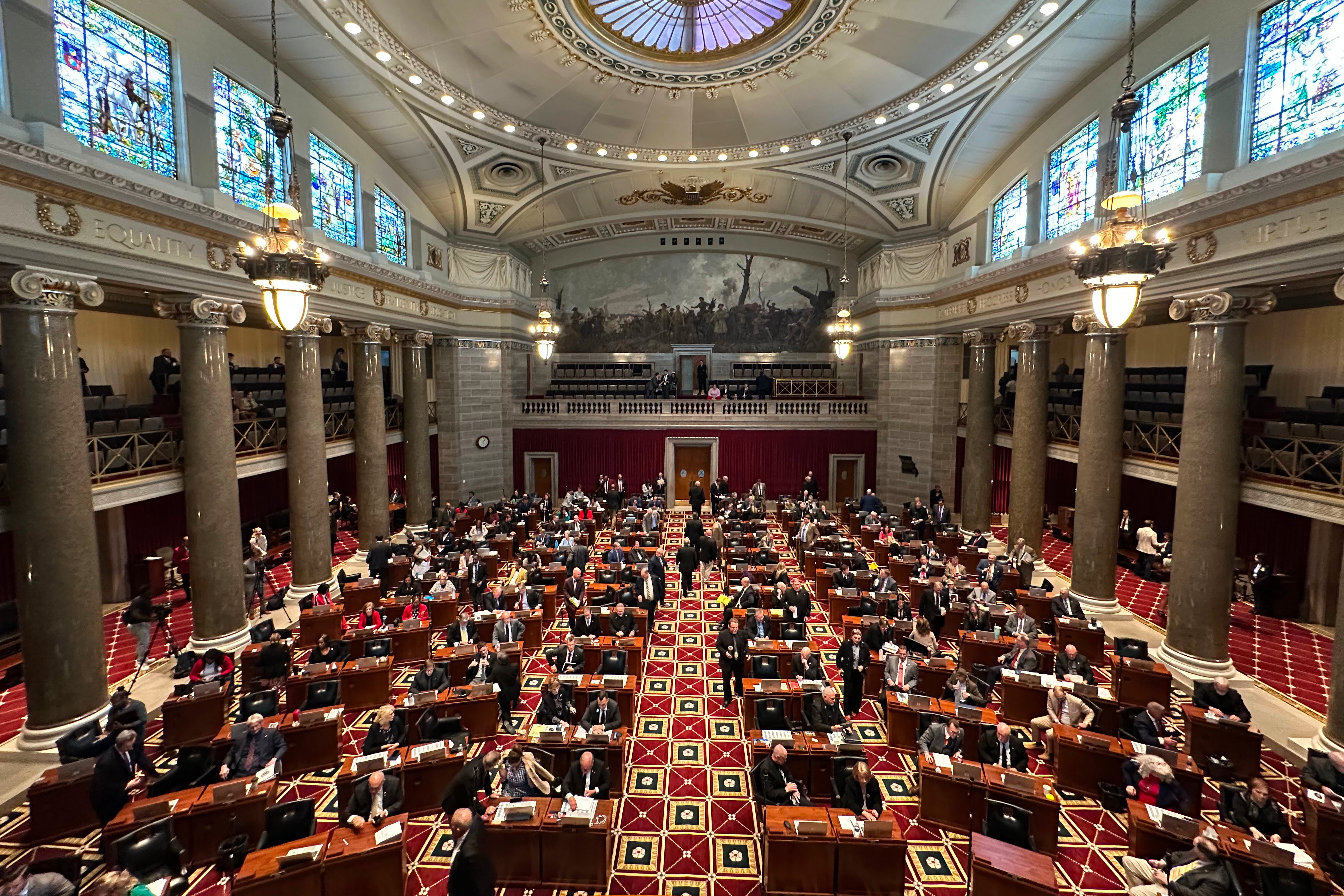
Take what is going on in Missouri. On Aug. 4, voters get the chance to weigh in on whether Missouri should fundamentally rethink how it taxes its citizens; specifically whether the Show-Me State should gradually shift its tax burden away from income and toward consumption.
Ironically, Missouri currently has the very tax structure Illinois progressives have long sought: a graduated income tax. Even so, its top marginal income tax rate (4.7%) is lower than Illinois’ flat rate (4.95%).
Missouri’s average combined state and local sales tax rate also remains far below the rate in Illinois. Approval of the amendment could eventually narrow that gap, depending on how lawmakers implement the shift. Even then, Missouri would have a long way to go to match Chicago’s 10.25%.
Meanwhile, Illinois’ most prominent income tax proposals continue to point in the other direction: a surtax on income above $1 million or another attempt to replace the flat tax with graduated rates. Neither advanced to voters this year, but their supporters have hardly abandoned the ideas.
Additionally, the specter of broadening the sales tax base — to include untaxed services such as haircuts, lawn care and auto repair, for example — remains a favorite among the revenue-seeking set here. We see the logic for that but we also think our policymakers should fundamentally reconsider our overall tax structure. At the very least, such a move should come with ideas to reduce the state income tax or other aspects of Illinoisans’ big tax burden.
Before you tell us not to hold our breath, we’ll dare to dream, and go further than that — we’d encourage folks here to sit up and pay attention to the bold ideas of our tinkering neighbors.
For generations, Illinois could rely on Chicago’s gravitational pull. Companies wanted to be here because this is where commerce happened. That advantage still matters, but we can no longer afford to assume people and businesses will stay regardless of policy choices and political climate. Chicago is still the economic capital of the Midwest, but in an era of fierce interstate competition, prestige alone can’t carry the day.
Taxes are rarely the sole reason a family or business moves, but they form part of a broader competitiveness calculation that also includes housing, employment opportunities, regulation and quality of life.
States compete for people and business, and while Illinois chooses to hang its hat on its historical reputation, other states are marketing themselves as lower-cost alternatives that offer less red tape and less political dysfunction.
We applaud our neighbors’ willingness to experiment and refuse to settle for the way things have always been done. Competition is a good thing, especially if it inspires a little taxation ingenuity here at home. Illinois has its own particular circumstances and it doesn’t need to imitate every neighbor. But it shouldn’t be so certain it has nothing to learn from them.
Submit a letter, of no more than 400 words, to the editor here or email letters@chicagotribune.com.