
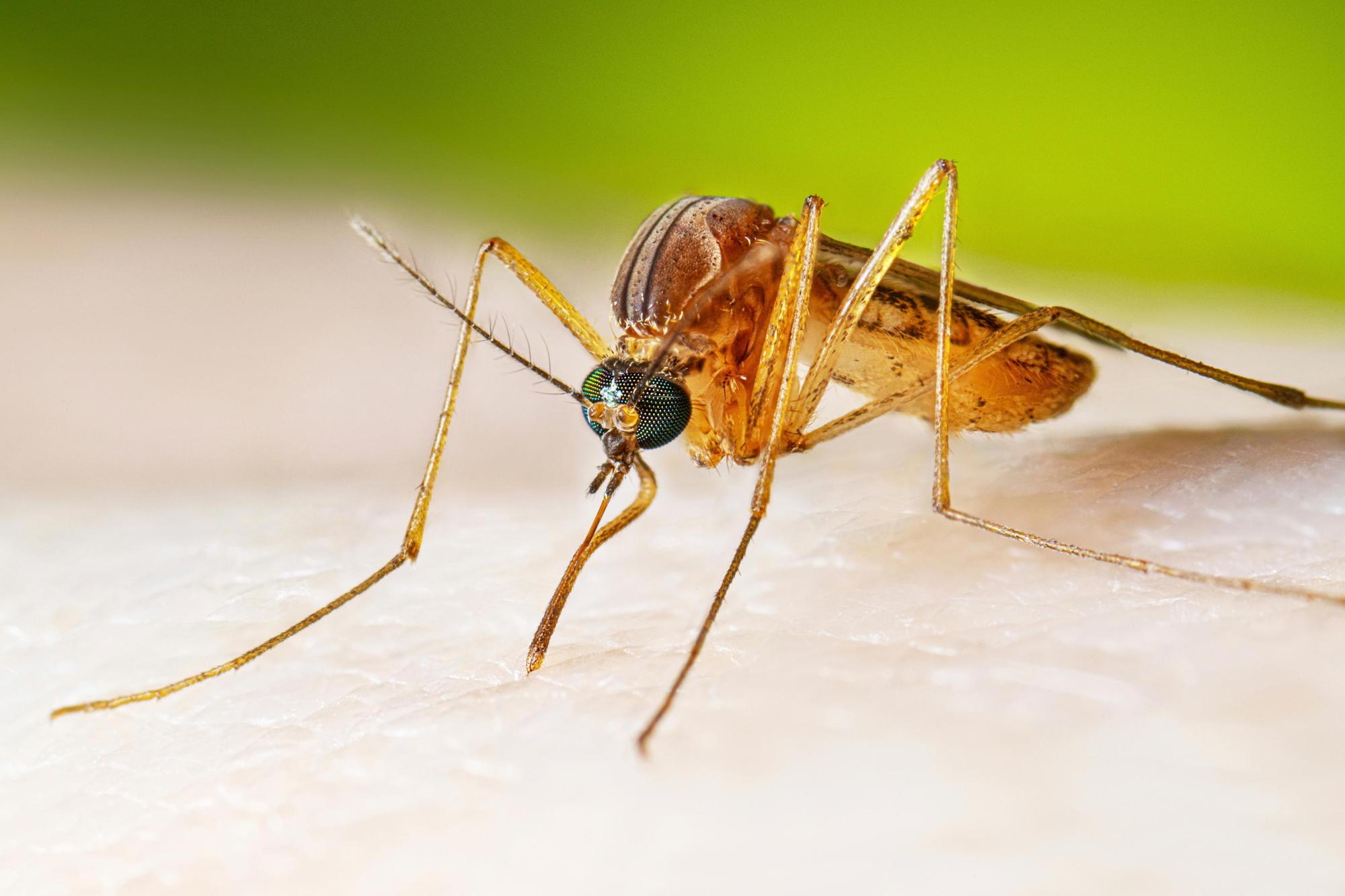

It’s been quite the start to the summer season — weeks of dangerous heat, hazardous air quality due to Canadian forest fires, a parasite causing “explosive diarrhea” sweeping Illinois and, in Lake County, the first detection of the West Nile virus.
But while the mosquito-borne virus can pose serious risks for people, especially those with pre-existing conditions, Michael Adam, director of environmental health at the Lake County Health Department, said some basic precautions can keep residents healthy and safe outdoors this summer.
Lake County’s mosquito surveillance program, a collaboration between the Health Department, the Lake County Forest Preserves and area municipalities, has mosquito traps set around the county that are monitored weekly. Captured mosquitoes are then ground up and tested for West Nile virus, Adam said.
The first detection of the virus this year was on June 16, from a Buffalo Grove trap, and there have been more since, he said. While the virus is serious, the detection “is very normal” for this time of year, Adam said, with the peak season usually in July and August.
The North Shore Mosquito Abatement District also announced it had detected West Nile virus in batches collected from Highland Park, Kenilworth, Morton Grove and Northfield between July 10 and 13.
Batches of mosquitoes from their traps in Deerfield, Evanston, Glenview, Lincolnwood, Niles, Northbrook, Skokie and Wilmette had also tested positive for West Nile this year, the release said.
The West Nile virus first came to Lake County in 2002, and since then, five people have died from the virus. Last year was a “bad year,” Adam said, with high detection rates and ultimately 12 human cases, but thankfully no deaths. He is “hoping that does not repeat itself” this year.
According to Adam, it can take three to 15 days after an infected mosquito bite to exhibit signs of West Nile virus, including fever, nausea, headaches and muscle aches. The health risks are higher for the immunocompromised, Adam said, but even healthy people can get what’s called “West Nile fever.”
He advised the “four D’s” for prevention — Drain, defend, dawn and dusk. Look for any stagnant pools of water around the house — such as bird baths or buckets — and drain them. Wear clothing that covers the skin and use insect repellents. And avoid the peak mosquito times: dawn and dusk.
Adam emphasized that people should still enjoy the outdoors this summer.
“Be prepared, but don’t be scared,” Adam said. “Taking those simple precautions — wearing repellent, avoiding certain areas at dawn and dusk — you can get out and enjoy the wonderful weather, the wonderful areas in Lake County.”
Cyclosporiasis
Dominating news headlines in the last week has been the cyclospora parasite, the culprit behind the diarrhea outbreak sweeping the country. According to the Centers for Disease Control, at least 34 states have reported cases of the illness since May 1, including Illinois.
As of Friday, Illinois had more than 300 reported cases of cyclosporiasis, according to the Illinois Department of Public Health. Of those, 125 reported travelling outside of the U.S., and 152 acquired the illness domestically.
Emily Landon, UChicago Medicine’s executive medical director of infection prevention and control told the Tribune earlier this week that cases of the cyclospora parasite are not uncommon in the summer months. While the current outbreak’s caliber is rare, occasional cases are common.
The illness is spread through the fecal-oral route, which Landon admits sounds terrible. But almost all diarrheal illnesses work the same way.
“Things that grow in fields can get contaminated by poop from other animals, and sometimes produce can get indirectly contaminated if contaminated water is used to wash it off before it’s ready to be sent off. Imagine if you have a few things that are contaminated, and then they all get dunked into water together,” she explained.
For some foods like broccoli, berries, leafy greens and fruit with crevices, it’s especially difficult to fully wash off the fringy cyclospora.
While cyclosporiasis is not fatal, symptoms include bouts of explosive diarrhea that can last from days to several weeks, loss of appetite, bloating, increased gas and stomach cramps, nausea and sometimes vomiting.
A spokesperson for IDPH told the Tribune on Tuesday that if consumers are concerned about getting cyclospora from dining out, they can select fruits and vegetables with peels or outer layers, such as avocados or sweet potatoes, or choose produce cooked to at least 158 degrees.
If cooking at home, the agency recommends following guidelines for safe food handling, including washing all fruits and vegetables under running water before eating, cutting or cooking, and scrubbing firm produce with a clean produce brush.
Bethany Doerfler, senior clinical research dietitian at the Digestive Health Institute of Northwestern Medicine, said high-risk groups should opt for cooked vegetables. Other diners who are worried about catching the illness should ask where restaurants get their ingredients from before ordering.
According to experts, the most commonly contaminated foods are bagged lettuce, boxes and bags of arugula, raspberries, cilantro, parsley and basil.