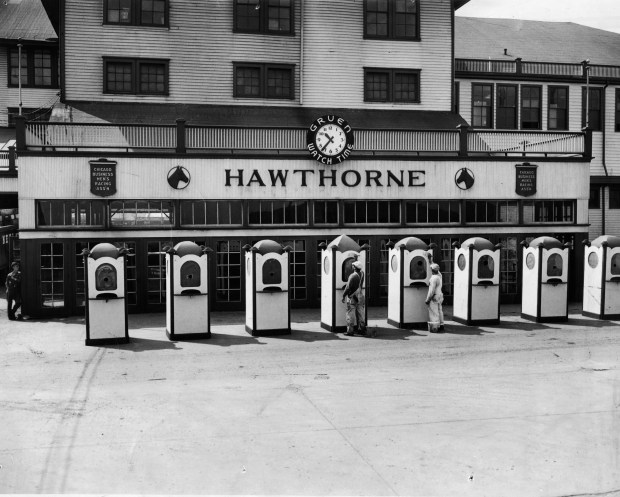
Patti Miller has never known a life without the horses at Hawthorne Race Course.
Her visits to the track in west suburban Stickney began when she was a baby. Her grandfather trained horses there. As a teenager, she worked at Hawthorne as a pony girl, riding alongside high-strung racehorses to guide them to the starting gate in front of thousands of fans.
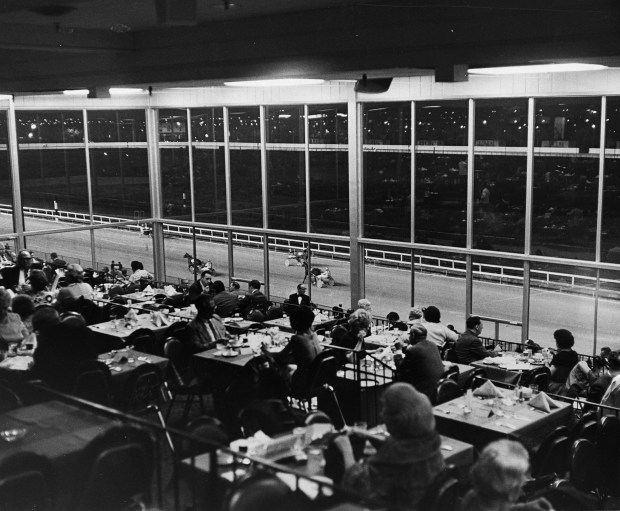
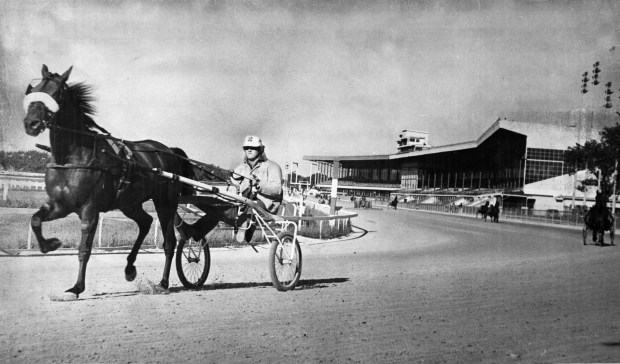
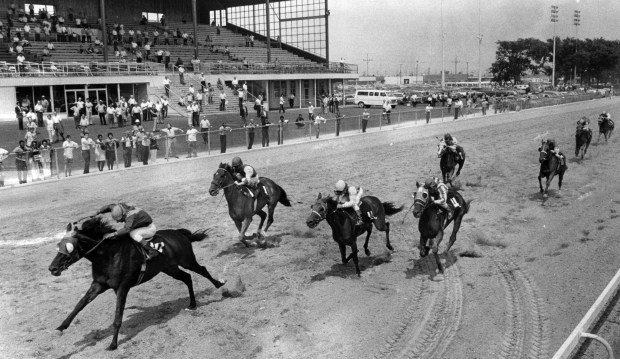
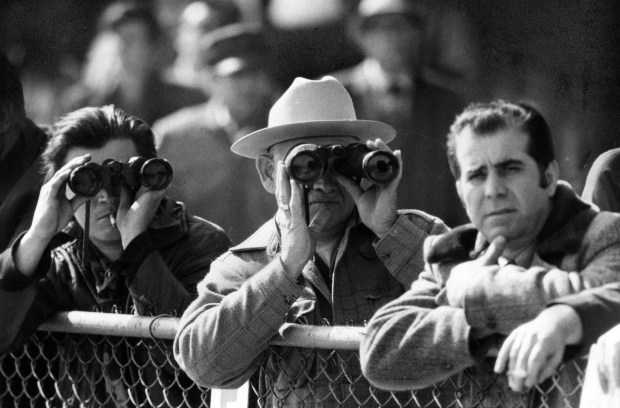
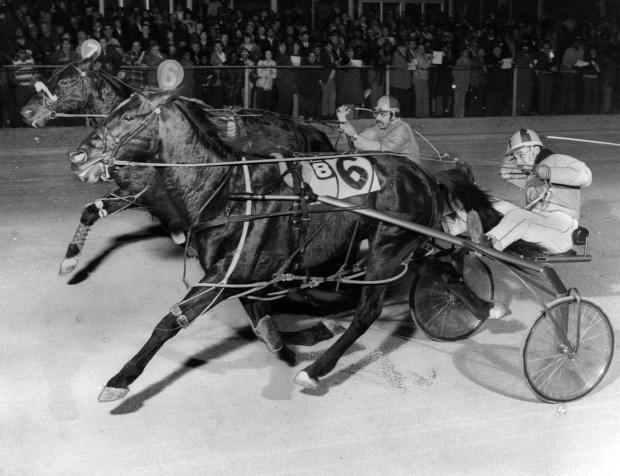
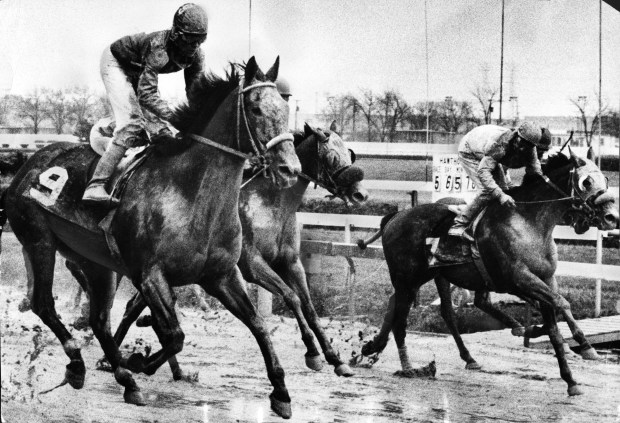
Now 69, and after decades as a trainer herself, she’ll lead her horses out of Hawthorne for good, as the course ran what was likely its last race on July 19 after 135 years in operation. As the last remaining commercial course in the Chicago area, Hawthorne’s closure is the end of an era that once saw five tracks running the most popular spectator sport in the country.
The Carey family has owned the track for more than a century. Despite years of assurances from owner Tim Carey that he would get financing to open a casino to save the track, that never happened. The facility went bankrupt and is being sold to a company that will end racing there.
“It’s crushing,” Miller said. “We hung tough, and it never happened. How did they screw this up so bad?”
The answer to that question lies in years of missteps by lawmakers and track owners, competition from an explosion of gambling, and people turning away from a sport that once dominated American culture.

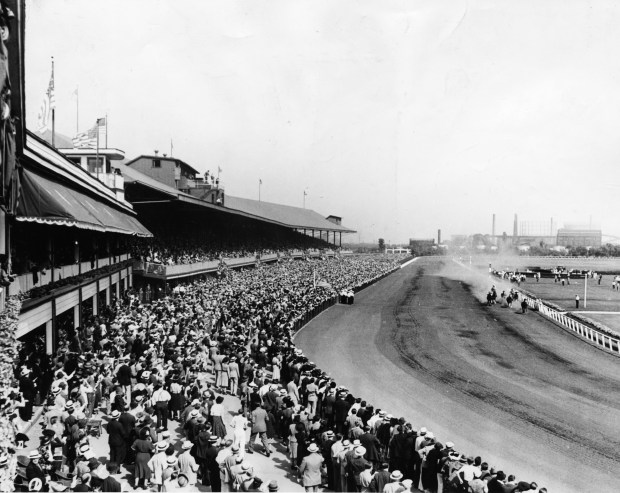
In the mid-20th century, horse racing drew more spectators than even the national pastime of baseball. Throngs turned out to see legendary horses like Seabiscuit, Man o’ War and Secretariat, who were well-known even to non-racing fans.
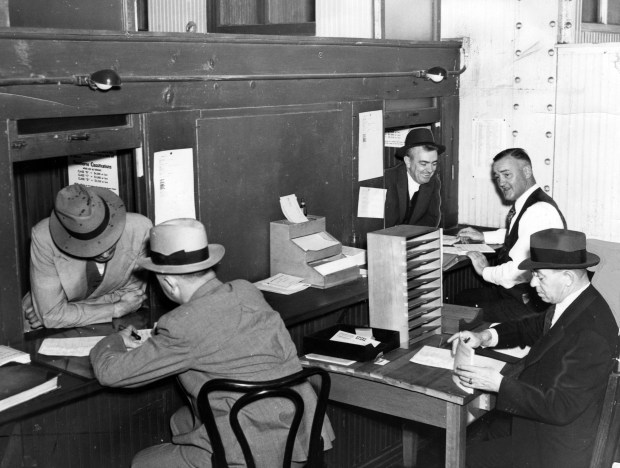
But as sports like football and basketball grew, horse racing began to tail off in popularity, seen as a holdover from the past. While casinos, state lotteries and online sports betting flourished, polls showed young people weren’t interested in horse racing. Attendance dwindled, and betting became insufficient to pay for the expense of housing hundreds of horses and workers.
To save itself, the industry turned to combining racetracks and casinos into racinos, to generate more revenue. But Illinois was more than a decade behind the adoption of racinos compared with other states, leaving the industry to wither from its peak handle of $1.2 billion in 1990, to less than $139 million in 2025.
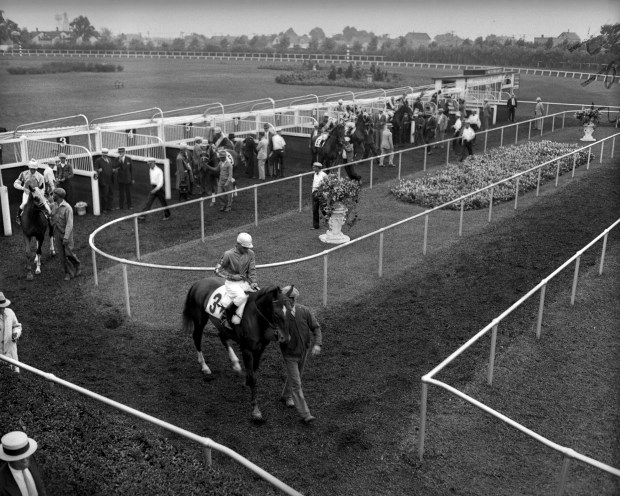
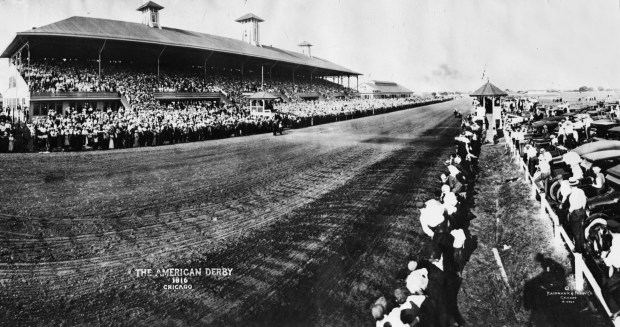
Once, five tracks — Arlington Park, Balmoral, Maywood, Sportsman’s and Hawthorne — ran races year-round, sometimes even running doubleheaders of 11 races, twice a day.
But facing increased competition from casinos, along with other pressures, Sportsman’s Park closed in 2002. By 2015, after a bribery scandal, Maywood and Balmoral parks also shut down, with one horseman describing the mood of the last race at Balmoral as “a wake or a funeral.”
In the fall of 2021, an estimated 10,000 fans, many of whom wore their Sunday best, attended the final day of racing at Arlington International Racecourse in Arlington Heights, considered for many years to be one of the most beautiful racetracks in the country. Its closure was the “sad passing of a tradition,” as one spectator described it.
In the end, only Hawthorne was left to keep racing alive in a half-demolished ghost of a grandstand.

Over its history, Hawthorne burned down twice, was used as a testing ground for early aircraft, and was shut down by the state — but it came back to race every time. Even now, officials are suggesting that they could somehow survive this latest catastrophe.
But with no money to race, they haven’t explained how.
Older than Wrigley
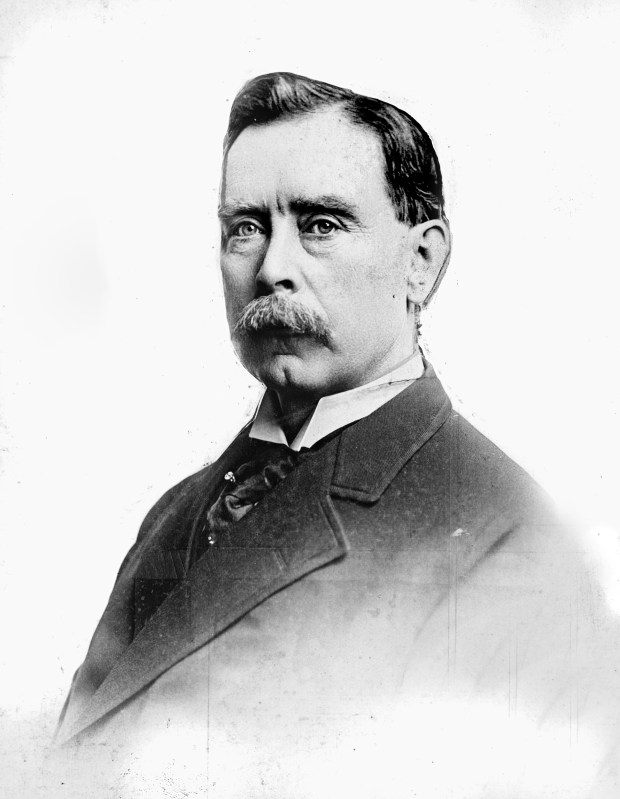
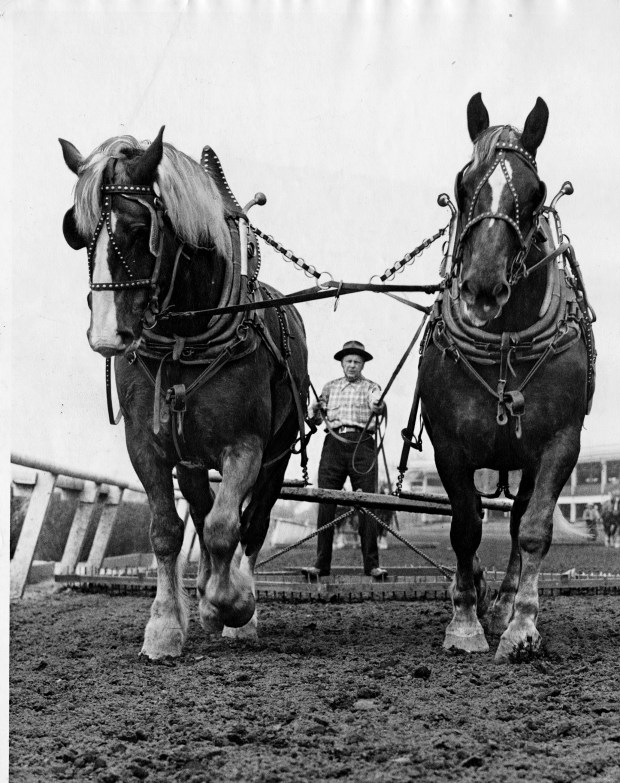
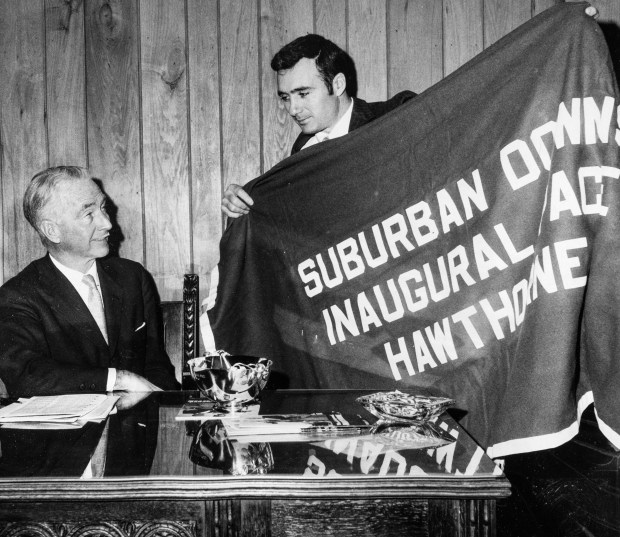
Hawthorne opened on former farmland in 1891, decades before Wrigley Field and Soldier Field. Founder Edward Corrigan owned Kentucky Derby winner Riley, and operated other tracks across the country as well.
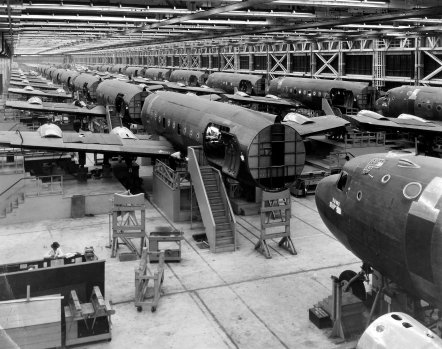
The track burned to the ground in 1902, and was rebuilt, but after Illinois banned gambling in 1905, Corrigan sold it to brick company owner Thomas Carey. Aircraft were tested there, and motorcycle races were held there until horse racing resumed in the roaring ’20s.
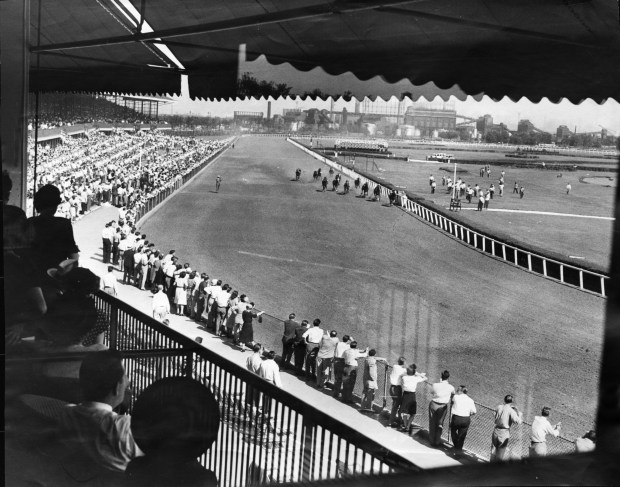
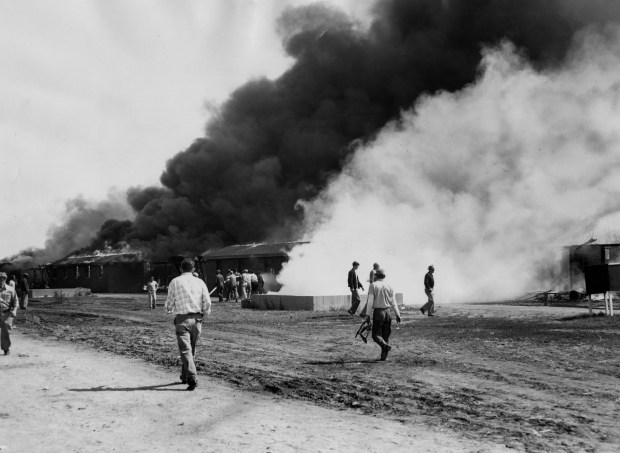
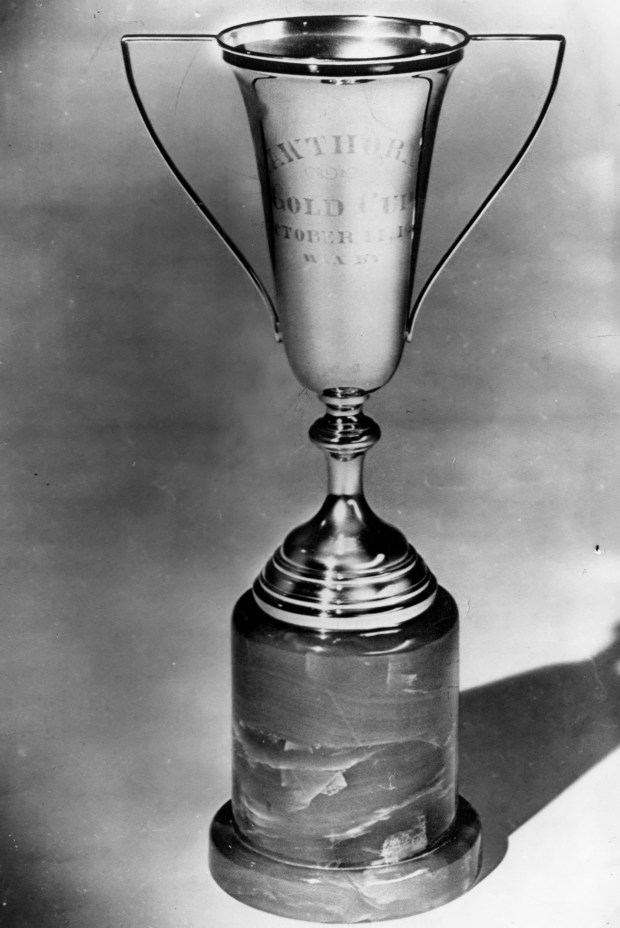
In the post-World War II boom, Hawthorne began to draw record crowds. It survived several stable fires that killed horses in the 1950s. In 1959, Phil Georgeff became the track announcer, and his description of horses “spinning out of the turn” became a trademark call known even to Chicagoans who never went to the track.
In 1978, Hawthorne’s grandstand burned down from arson, though no one was ever charged. The track was rebuilt and reopened in 1980.
That blaze foreshadowed a fire that destroyed Arlington Park in 1985. Despite the tragedy, a month after the fire, that park held its famed Arlington Million, which once was the largest purse in racing. The grandstand was rebuilt and reopened in 1989. Architectural Digest called the grandstand one of the most beautiful in the country, and racing continued.

















In 2019, state lawmakers authorized a massive expansion of gambling in Illinois, with six new casinos, legal sports betting, expanded video gambling, and allowed racetracks to add casinos.
That same year, Hawthorne officials announced plans to build a new south suburban racino with video gambling operator Rick Heidner. But after a Tribune story questioned the source of its funding, state officials withdrew the land needed for the project.
Track owners had been begging for years to build “racinos.” But by the time lawmakers allowed it, Churchill Downs Inc., the owner of Arlington International Racecourse, had bought partial ownership of Rivers Casino in Des Plaines.
Churchill Downs shocked the racing world by closing down Arlington in 2021, leaving Hawthorne to keep racing alive in the Chicago area.
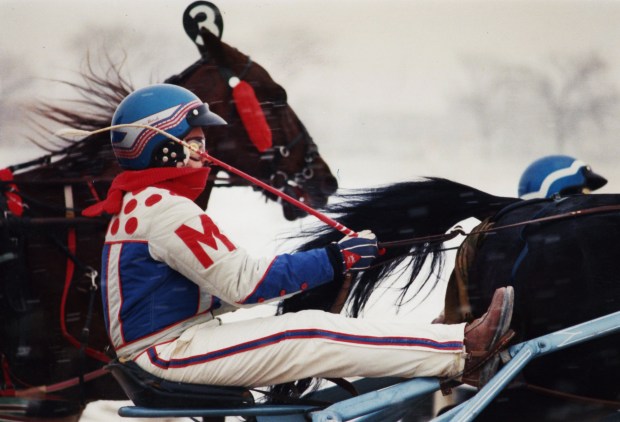
Hawthorne ran both thoroughbred races in the summer and harness racing in the winter, forcing it to make costly transitions every year between its dirt track and a limestone track for sulkies.
Financial collapse
But larger forces were at work. Animal rights activists criticized the sport for a spate of horse deaths. And customers were leaving. By 2025, the real value of betting on horse races, known as the handle, dropped 57% from its 2003 peak, industry publication Past the Wire reported.
Bettors were flocking instead to faster action from casinos, video gambling in bars across the state, and sports betting on phones. Live horse racing, with a half-hour break between each event, was relatively slow and complicated, though racinos were successful in other states.
In Springfield, state lawmakers had given Hawthorne the extraordinary power to veto any other racino proposal in the south suburbs. Legislators considered revoking the veto to let other investors proceed, but never took action.
Meanwhile, financial realities were piling up. In late 2025, the track’s checks began to bounce. Hawthorne was unable to pay for simulcasts from other tracks, which cut off their signals, further reducing wagering.

The Illinois Racing Board temporarily suspended the track’s harness racing license, and the thoroughbred racing season was delayed.
Hawthorne filed for bankruptcy in February, citing debts of more than $100 million to lenders and to Aria Group Architects, W.E. O’Neil Construction, other tracks and horsemen, among others.
Carey said numerous bidders were interested in racing and gambling, with some interest in instead building a data center on the site. Only one qualified bidder materialized: ALLIMAC 2023, an unknown Delaware company.
It bid $90 million for the property, with no plans to keep racing, but without stating its intentions.
Hawthorne officials have held out hope they could arrange to continue racing on the property temporarily. But federal bankruptcy Judge Timothy Barnes said without more funds to race, “that ship has sailed.”
Another concern is over the 500 or so people living and working on the backstretch, a complex of apartments and barns where residents take care of an almost equal number of horses. The judge, citing health and welfare concerns for the residents, set Aug. 31 as a tentative date for residents to leave.
Alex Aragon, 18, lives in the backstretch with his mother, brother and sister. Aragon works as a hot walker, walking the horses after running to cool them off, for $100 a week for each of five horses.
His mother works as a groom, feeding, watering and tending to the animals. He described the backstretch as a friendly community, made up largely of immigrants from Mexico and other Central American countries, where everyone knows and helps each other. About 150 children there mostly attend Cicero schools.

Like many other families, they don’t know where they will end up. Other racetracks generally are already filled for the season. An apartment in nearby Cicero costs about what Aragon earns.
“God knows where we will be going,” he said. “I hope for everybody just to find a roof above their head, where they could work to feed and provide for their families.”
He’s hoping the new owners will let them stay until the scheduled end of the racing meet in November, which in Spanish, he calls “a milagro.” A miracle.
‘A gut punch’
Tony Somone, executive director of the Illinois Harness Horsemen’s Association, called the closing “a gut punch.”
“It’s unspeakable,” he said. “It’s been a slow death.”
Some owners and trainers have taken their horses to race in Minnesota or Indiana. Others are racing for “peanuts” at county fairs. Fairmount Park Casino & Racing, downstate near St. Louis, doesn’t offer harness racing, only thoroughbreds.
The beauty of the sport, he said, is that it brings a rural sport to urban surroundings, with the skyline of Chicago visible from the track.
The sport of kings, as it was known, also transcended class boundaries, with blue-collar bettors mixing with relatively wealthy owners and middle-class fans.
People still can pool together resources with friends to buy a racehorse for $10,000 and see what happens.
Somone and his friends did that and hit the jackpot with Enzo the Baker. In 2008, he won almost every major race at Hawthorne, earning some $200,000.
“That was the dream horse,” Somone said. “We had the time of our lives.”

But, as with Hawthorne, the end came tragically. The horse died of an aneurysm while warming up on the track, before he could be sold.
As with horse racing in general, Somone said, “I’d rather love and lose than never to have loved at all.”
Carey still refused to give up hope. He called the sale “a tremendous loss,” and said Hawthorne officials are “forever grateful “ to their employees, horsemen and fans.
“However, this does not yet mark the end of Hawthorne as a business,” he said in a written statement. “We will continue to host intertrack wagering at our network of betting bars and we will absolutely explore every available option to once again host racing.”
By post time last Sunday, a smattering of fans had shown up to send off the track for what many feared would be its last day. Hawthorne had demolished much of its grandstand to make way for a casino. Yet with a lack of funds, officials halted further work, leaving the stands partially destroyed and deserted.
Fans were forced into one corner of the facility, separated from the finish line. Despite the grim circumstances, the crowd still placed bets, rose to their feet to cheer the horses to the finish, and occasionally to curse after a close loss.
Dax Poprawski, whose relatives work in the business, was sorry to see that the track had been reduced to a skeleton of itself, with rusting, exposed steel beams and weeds growing around it.
“It’s a sad day for Illinois racing,” Poprawski said. “Nothing beats being here and watching it live, hearing the thumps of the horses going by. There’s so much strategy involved in betting, compared to pressing a button on a machine. Anything can happen.”