People will look back on the current coronavirus pandemic one day through the work that historical societies and museums are doing right now.
Local historians like Aurora Historical Society Executive Director John Jaros are working to collect everything they can on the subject.
“We have continued to collect newspaper articles that have everything from mayoral pronouncements here in Aurora to emails we’ve received where we will print out a copy,” Jaros said. “Basically, anything I can find that deals with things locally including who is closed and who is open – we’ll get copies of that and document the evidence.
“I am sure there will be photos of business signs saying they are closed or when they are offering carryout and things like that,” he said. “There will also be photos of empty streets and we’ll likely be collecting surgical masks and other things once they are no longer needed.”
Aurora Historical Society Board President Mary Clark Ormond said collecting items and memories now is important because “it’s significant that people 100 years from now know what we’ve been through.”
Amber Foster, curator of the Depot Museum in Batavia, said since we are in the midst of the coronavirus pandemic “it’s hard to tell what direction things are going to go.”

“At the Depot Museum we have collection committees and there will certainly be donations once all is said and done,” she said. “There will be a lot of newspaper stories but to me, a lot of this history is being made now on social media, whether it’s people posting videos on Facebook doing at-home workouts or whatever has been happening. We’re already documenting on social media.”
Foster thinks social media offers the opportunity to create a living history and show “how everyone behaved” and offers a new “presence.”
“Museums and not-for-profits are really struggling in times like this to keep above water and I see social media as a catalyst for collecting,” she said. “The pandemic is not ‘stuff’ – this is more personal and being inside, we’re kind of stuck and it is the personal stories of where we were and who we were with that tells the narrative and shares the history.”
Roger Matile, 73, of Oswego, who serves as the museum director for the Little White School Museum in the village, said the pandemic is truly a historic event.
“This is the biggest disaster we’ve had in the Fox River Valley since 1918 and it’s worse than the Spanish flu,” he said.
Matile said that “even images won’t some day tell the story.”
“You can take pictures of downtown Oswego today and it’s basically empty, but you are going to need peoples’ accounts about what they went through,” he said.
The museum has created a “Hometown Historian” initiative to record and collect the community’s unfolding history during the COVID-19 pandemic.
The museum is asking residents in Oswego-based School District 308’s boundaries to send in photos and stories that document how individuals, families, businesses and organizations are coping with the pandemic’s impact.
Residents are asked to think about how their lives have changed, how they dealt and are dealing with disruptions in their daily routines, and how the closure of businesses, schools, churches and other institutions have affected what used to be their normal lives, officials said.
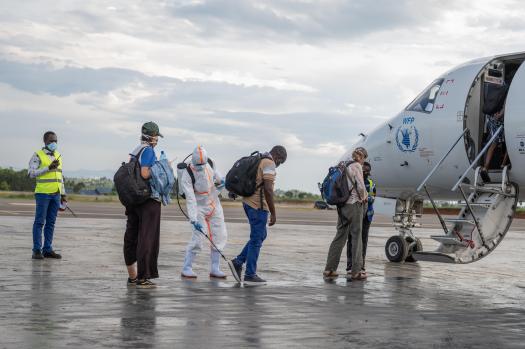
Photos of the visual impact of the COVID-19 epidemic such as empty store shelves, residents wearing protective masks and clothing to conduct daily chores and more are being sought, museum officials said.
“We’d like to gather as much of this information as we can while the shelter-in-place rules are in effect as a resource for future generations to understand how we coped in getting through this extraordinary time in our lives,” explained museum manager Tina Heidrich in a press release.
As museums across the area work to document the pandemic, officials say the big picture view will also be important.
“We’ll have to look at this with the perspective of other historic epidemics and how they affected Aurora,” Jaros said. “Everybody loves to celebrate good things, but a lot of history is like this – things like chronicling wars are necessary as they are important historical events.”
David Sharos is a freelance reporter for The Beacon-News.