

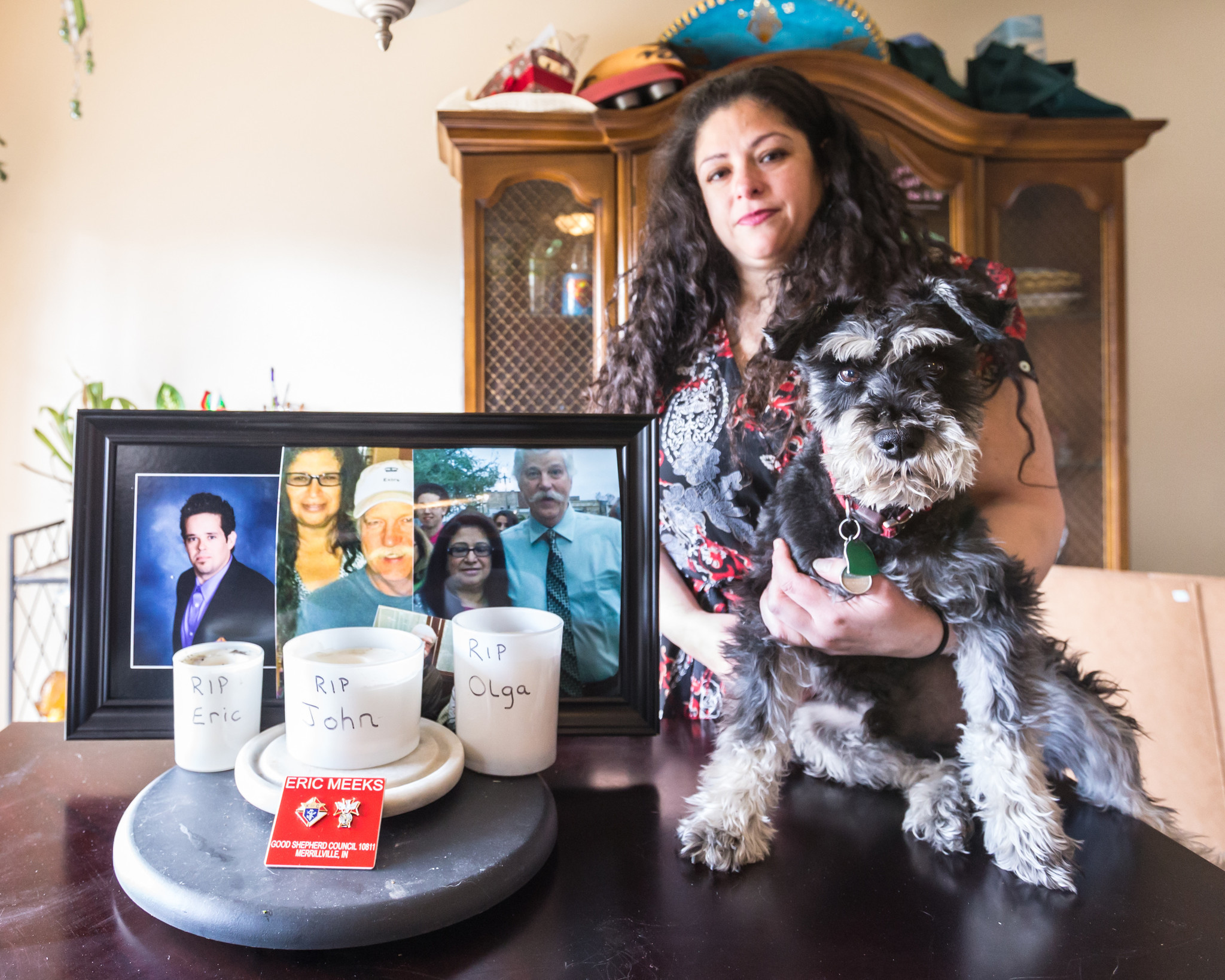

Angella Meeks spoke candidly about the mental illness that led her brother, Eric Meeks, to shoot and kill both their parents and them himself.
“My parents were in denial about it. They felt ashamed about it,” she said.
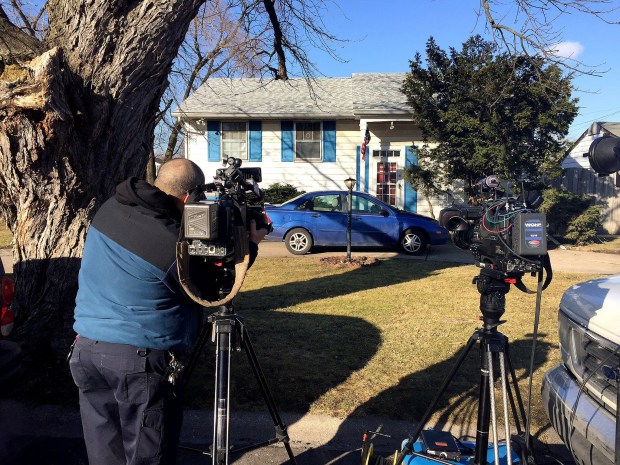
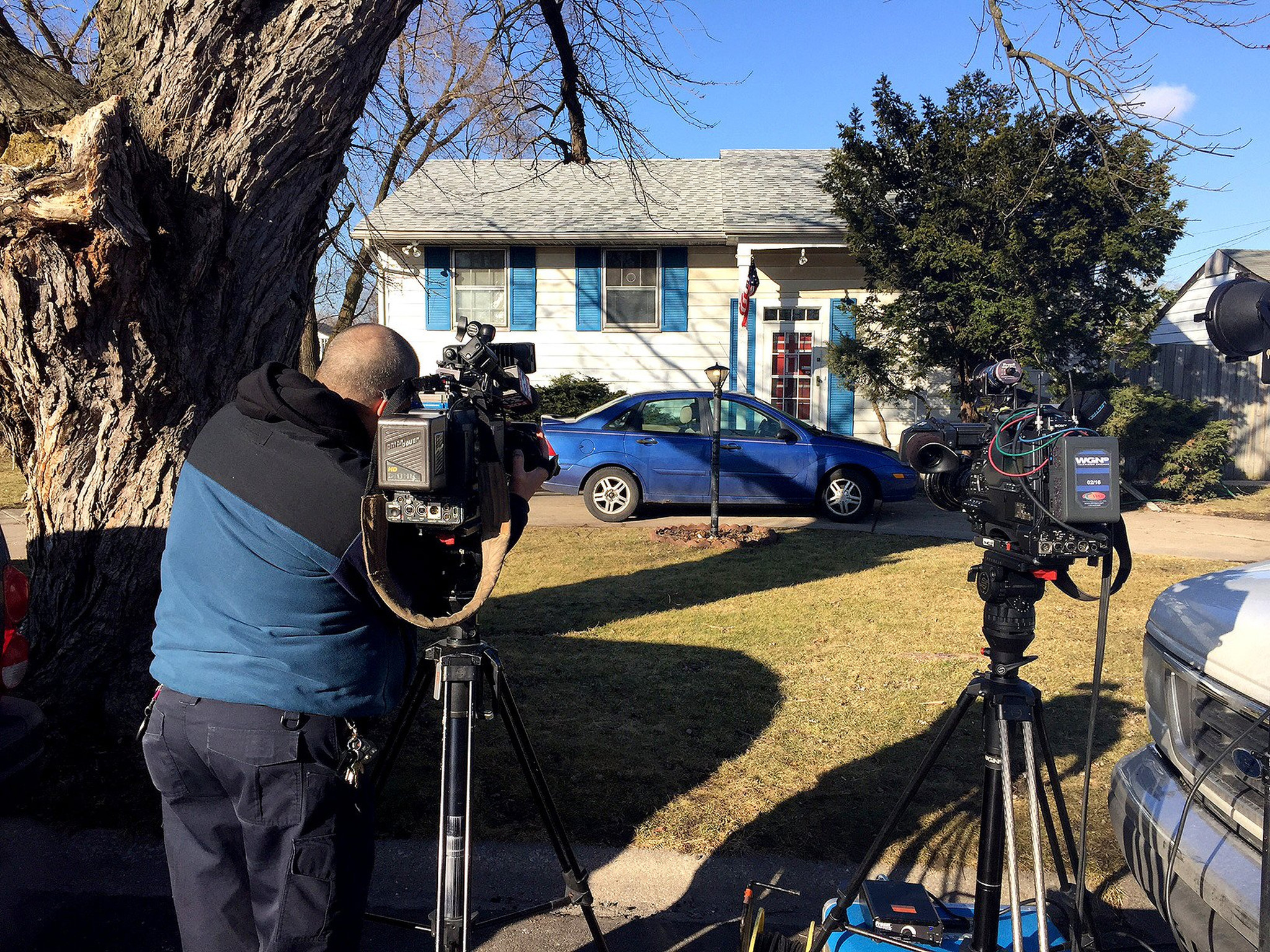
Five years ago this month, she shared these feelings with me at her family’s Merrillville home. Meeks sat just a couple feet away from where her brother and mother’s bodies were found, intertwined. Meeks kept staring at that site during our 90-minute conversation about what happened and what could have been done to prevent it.
“I want to be clear and honest about this horrific incident so other families can learn from our failings. All of us failed here, not just Eric, not just my parents,” she said.
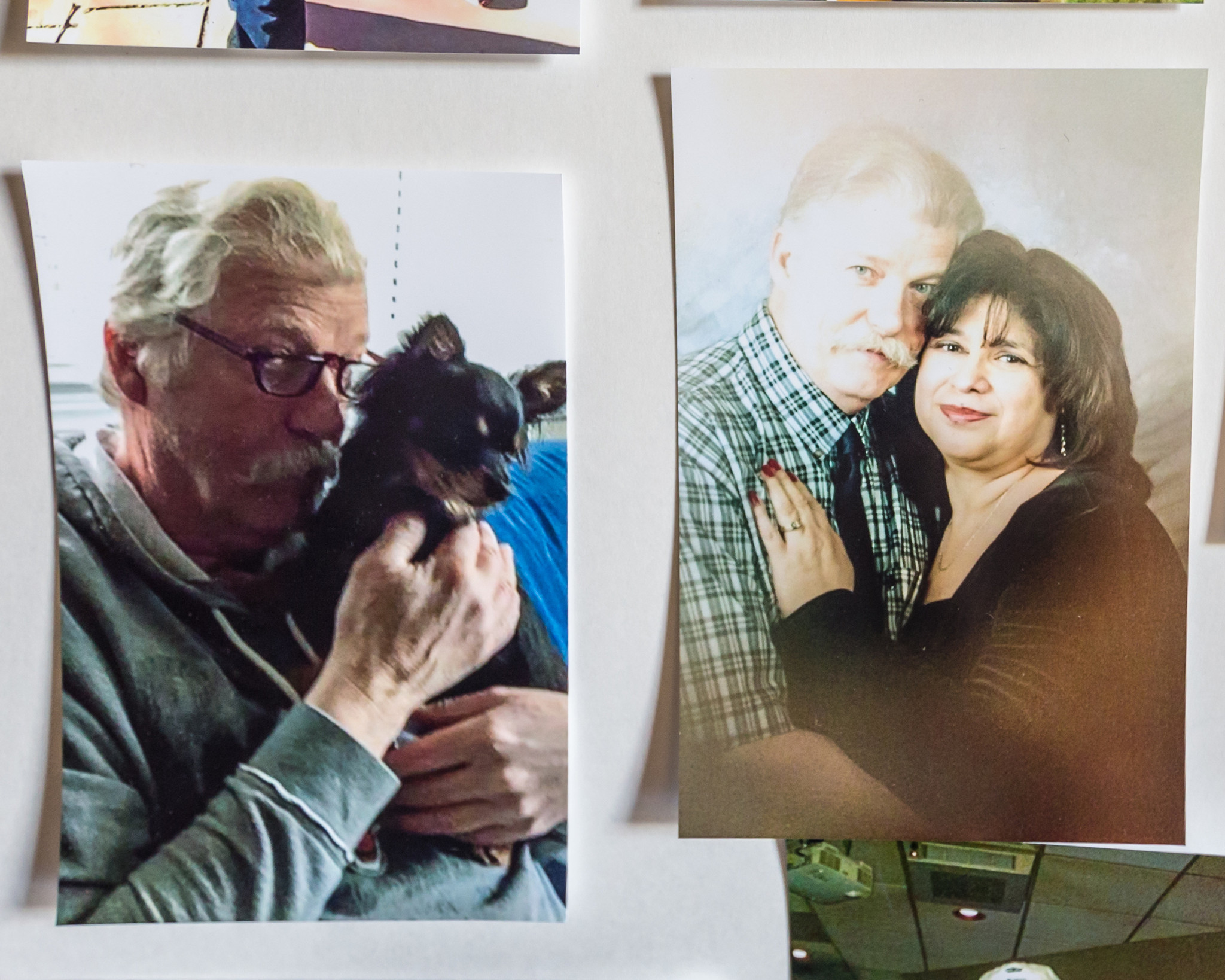
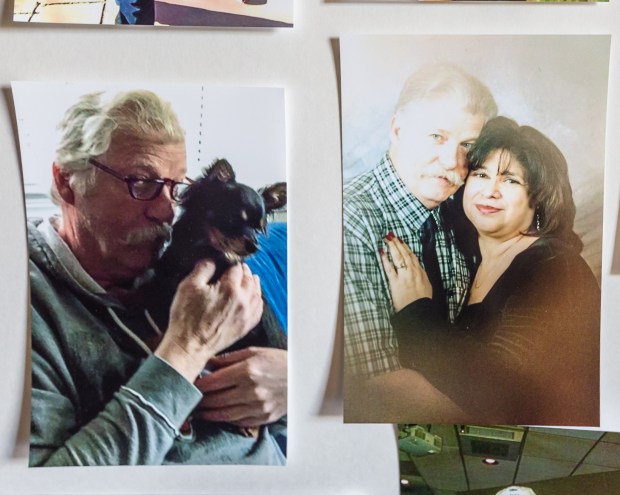
On Feb. 20, 2016, Eric first shot and killed his father, John Meeks, who died with his tools still in his hands in his garage. Eric then killed his mother, Olga Meeks, and wrapped his arms around her body before taking his own life. Police and two family members found the bodies during a welfare check.
“It’s not just a home where three tragic deaths took place,” Meeks told me, motioning toward the dining room, which was ripped apart by crime scene investigators. “No, we lived here. We laughed here. We argued here. We shared life here.”
She was strikingly honest about her brother’s mental history and emotional troubles, according to my notes from our conversations. Last week I searched for these notes after hearing from a friend of hers that Meeks had died.
On Feb. 2, her body was found by police in Flint, Michigan. Meeks was 47.
“I can’t help but to think that the unspeakable tragedy that happened to her in 2016 played a role in all of it,” her friend told me. “Life took us in different directions, but I often wondered what happened to her. Learning of her passing led me to your article. Reading it broke my heart all over again.”
My first of two columns on the family’s murder-suicide incident, in late February 2016, was prompted by Angella, who contacted me to explain her brother’s mental state.
“My brother did not snap,” she insisted. “I’m not sure if it was any one moment. In terms of mental illness, snapped is just not an appropriate way to express his behavior. There’s so much more to him than he just snapped.”
Angella was upset over how her brother was being portrayed in news stories. He wasn’t a “scary monster,” she said. “Had he been the person he truly wanted to be, you may have never known his name.”
This insightful line from her has always stayed with me. I often think about all the people I’ve written about whose names I should never have known. Killers, victims, witnesses, survivors. In a better world, I wouldn’t have known Angella’s name, either, I told her. And I honestly figured I never write about her again.
Sadly, I was wrong.
“It doesn’t appear to be a suicide,” said Flint Township police Lt. Brad Wangler.
Meeks was last seen in the early morning hours of Jan. 24 at a residence in Flint Township. Meeks, who lived in California, was staying with a friend in Michigan.
“She does not have acquaintances in the area and does not have a vehicle,” a news release stated after her disappearance. “She is considered endangered. She left the residence without weather appropriate clothing or her personal effects. She has a mental health history.”
“Her body was found in a small wooded area a short distance from her last known location,” a second news release stated. “At the time of this investigation, her death does not appear to be suspicious, but her body will be sent for an autopsy to determine a cause of death.”
Meeks’ autopsy results and toxicology tests haven’t been completed, Wangler told me.
“The investigation has shown she walked away from the home she was staying at in the middle of the night and laid down in a small wooded area a short distance away. At this point, we are uncertain if she was under the influence (of any substances) at the time.”
When I last spoke with Meeks after her parents’ and brother’s deaths, she was “determined” to find a new normalcy in her life, she said in her family’s home, where she was raised.
Her father, a U.S. Army veteran, was planning to retire in 2016, his obituary states: “He was one of the most kindhearted and generous people you would ever come across.”

This is also how Angella described her brother. My column from March 2016 shared her grief, guilt and confusion over her family tragedy. She also kept circling back to the demons of mental illness in our society, and the stigma that surrounds it.
“We need to learn to embrace mental health care like we embrace physical health care,” she said. “We should be conscious and aware of our community members with mental issues and not be afraid of them or hide them.”
As I wrote five years ago, her family’s private investigation of what happened was like putting together a puzzle that will never be completed.
“Something somewhere went terribly wrong. No one knows why. No one will ever know,” I wrote.
I feel the same way about Angella’s death, regardless of her pending autopsy results.
“When I knew Angella she was in her 20s, full of life,” her friend told me. “She had a beautiful heart, soul and smile. May she rest in peace, finally.”
If you or someone you know needs help, contact the National Suicide Prevention Lifeline at 800-273-TALK (800-273-8255).


