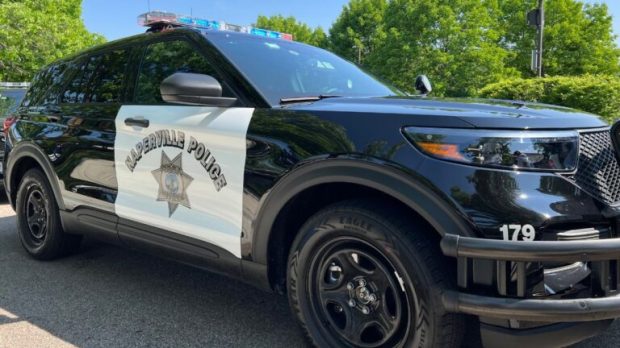
Naperville District 203 School Board members agreed to pay about $2.3 million to buy 17 new school buses and the gasoline that fuels the fleet, but wants more progress made on shifting to green vehicles.
The board voted 5-2 to spend $1.8 million to replace about one-eighth of its 132-bus fleet of small, medium, and large gas-powered school buses. A separate contract for $500,000 was approved with Kankakee-based Avalon Petroleum Co.
Board documents accompanying the contracts said District 203 is committed to continued research on switching to electric buses, but some board members questioned why administrators were still making that promise a year after the subject was first broached.
“This is the first time tonight that I’m hearing there is a commitment to it,” board member Donna Wandke said. “If I have to wait a year to get a commitment, I’m very frustrated we haven’t made any progress on this.”
Wandke opted to voted no on both the bus and gas purchases as a way to voice her unhappiness that district officials had not followed through on the directive they were given, she said.
“I will not be able to support this because I feel we need to make a significant change in our buses,” Wandke said.
Board member Joe Kozminski agreed with her, and also voted no on the bus purchase.
“We can’t keep kicking the can down the road. We have to do something,” he said.
Board member Kristine Gericke voted in support of the bus and fuel purchases, but she, too, said she was “frustrated” by where things stand.
She floated the idea of launching a pilot program to introduce more sustainable vehicles and renewable energy into the district.
“It can provide data for us to move us one way or another.” Gericke said. “It doesn’t mean a pilot program becomes a permanent program. It just gives us something solid to base our decision on.
“I don’t want to really just think about it anymore, I want to start to see how we can make this happen,” she said.
District Superintendent Dan Bridges said officials support green initiatives but a shift to electric school buses is expensive. The 71-passenger buses they purchased cost about $109,000 apiece; one similar-sized electric bus can cost as much as $500,000, he said.
“While this may be important, committing a half-million dollars toward one bus, what are some things we may not be able to do as a result of committing the money there? That’s where the balancing act comes,” Bridges said.
A shift to greener vehicles also will require infrastructure and capital expenses for maintenance and storage, administrators said.
Chief Financial Officer Michael Frances said COVID-19 pushed discussions about electric vehicles to the side as they prioritized getting children back to school, filling vacant positions and dealing with other issues complicated by the pandemic.
“It’s been made clear this evening that this is something the board is interested as a priority,” Bridges said.
“But before we move too fast down that road, we need to get a strategic blueprint rolled out, prioritize in terms of immediate-, intermediate- and more long-term goals to kind of give us a timeline on when we’re going to do this,” he said.
raguerrero@tribpub.com