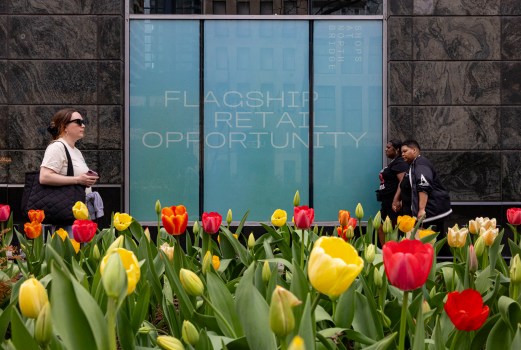
The economic heart of Chicago is in cardiac arrest as escalating violent crime threatens to turn downtown into a ghost town. Homicides, shootings, sexual assaults, thefts and carjackings are all up in the downtown area, prompting fears among residents and business owners that are similar to those that have long been the reality in Chicago’s struggling neighborhoods.
This year, overall crime in the city is up 34%, and in the 1st and 18th districts, which contain the downtown neighborhoods, crime is up 135% and 85%, respectively. Disturbingly, there has been a 143% increase in the number of people shot and a 35% increase in carjackings downtown this year, following what was the most violent 365-day period in 25 years in Chicago. The abandonment of Water Tower Place by its owner and the departure of Boeing’s headquarters are only the highest-profile examples in an exodus of businesses and residents seeking safer pastures.
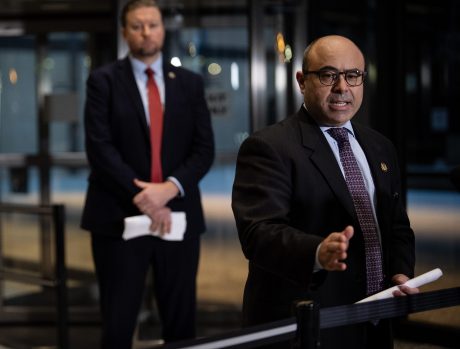
Chicago police Superintendent David Brown has once again announced that the Police Department is stepping up patrols downtown. This is known as “scarecrow policing,” — but don’t count on the city’s most brazen criminals being deterred by a strategy that has proved to be ineffective.
As is routinely the case in the Lightfoot-Brown administration, this is a public relations play to parade “new” solutions that have already been in effect, i.e., a 24/7 carjacking task force that Brown trumpeted as a novelty. In reality, CPD has been deploying extra patrol officers downtown since the protests that followed George Floyd’s murder in 2020. These temporary bursts of “scarecrow policing” are intended, in part, to cover up the fact that there are 200 fewer police officers in the 1st and 18th district than when Lightfoot took office. The extra cops are simply pulled from other short-staffed districts. Overworked officers often have their scheduled days off suddenly canceled and are forced to work mandatory 12-hour shifts. Spasmodic changes in tactics do not make a strategy. Hope is not a plan.
A comprehensive strategy is needed to restore order and ensure public safety across the city but especially downtown. Part of that strategy should include a renewed willingness to arrest all criminal suspects. Otherwise, the destruction of the city’s economic center is all but guaranteed. When society loses the will to pursue those who are suspected of misdemeanor or nuisance crimes, it signals to lawbreakers up and down the food chain that they can act with impunity. The city needs leaders who are willing to exercise their full authority to enforce significant consequences for those who steal, harass or assault residents and visitors, damage public and private property, engage in flash mobs, incite civil unrest and disrupt peaceful protests.
Because we haven’t had such leadership, impunity has set in. The exorbitant increase in smash and grab robberies and other violent crimes is a visible symptom of the current ethos. Putting offenders and potential offenders on notice that city leadership is done with that is the very first step to ensuring public safety. The City Council should enact a nuisance ordinance that would empower police to impound vehicles, confiscate personal property and impose fines on individuals and organizations found guilty of looting, rioting and committing other peace-disrupting activities.
While there is no substitute for restoring CPD employment levels reduced during the last administration, there are measures that City Hall and CPD can immediately implement to demonstrate that mayhem downtown will no longer be tolerated. CPD leadership should restore the department’s willingness to arrest. In case there is any doubt about the seriousness of this factor, consider what we have witnessed unfold in Chicago over the past few years. It’s no coincidence that CPD has made 70% fewer arrests since 2019.
For the foreseeable future, there should be zero tolerance for any violation of any city ordinance or state law, including blocking sidewalks and creating unsafe or threatening conditions. CPD should no longer merely monitor large crowds that deliberately violate city ordinances like flash mobs. Instead, mass arrest procedures should be followed when such violations occur. Charges could include reckless conduct and mob action.
Every CPD district should routinely monitor every CTA train terminal for large groups getting on CTA trains headed toward downtown. Zero tolerance should also apply to any violations of CTA ordinances. Chicago’s public transportation must be dependably safe and not be used to facilitate criminal behavior.
Because juveniles have been so heavily involved in recent lawlessness, procedures for managing young arrestees could also use some reform. When arrested, underage suspects are due to be released from custody after processing; only a parent or a legal guardian should be permitted to pick them up. If a juvenile younger than 14 has been arrested multiple times on suspicion of committing similar offenses downtown, penalties should be sought against the child’s legal guardian under the Illinois child abandonment statute.
Lightfoot and Brown’s closure of the city’s Juvenile Intervention and Support Center should be reversed and the recommendations by the city inspector general to bring the center’s design and operations in line with diversion program best practices should be implemented. This is needed to reduce juvenile crime and recidivism.
Contributing to the crime wave crushing Chicago is Cook County State’s Attorney Kim Foxx’s reluctance to hold suspects in violent crimes accountable. CPD should have a case review unit to monitor and publicize bail decisions, decisions made by individual prosecutors and objectionable judicial decisions. If the public is increasingly made aware of judges and prosecutors’ egregious failure to keep the public safe, perhaps pressure will build for prosecutors and judges to take their jobs more seriously.
Tough times require tough measures. Chicago’s economic engine is on life support — now is not the time to shy away from the decisive remedial actions that should be taken and will send a clear message about consequences.
Paul Vallas was budget director for the city of Chicago and CEO of Chicago Public Schools.
Submit a letter, of no more than 400 words, to the editor here or email letters@chicagotribune.com.