
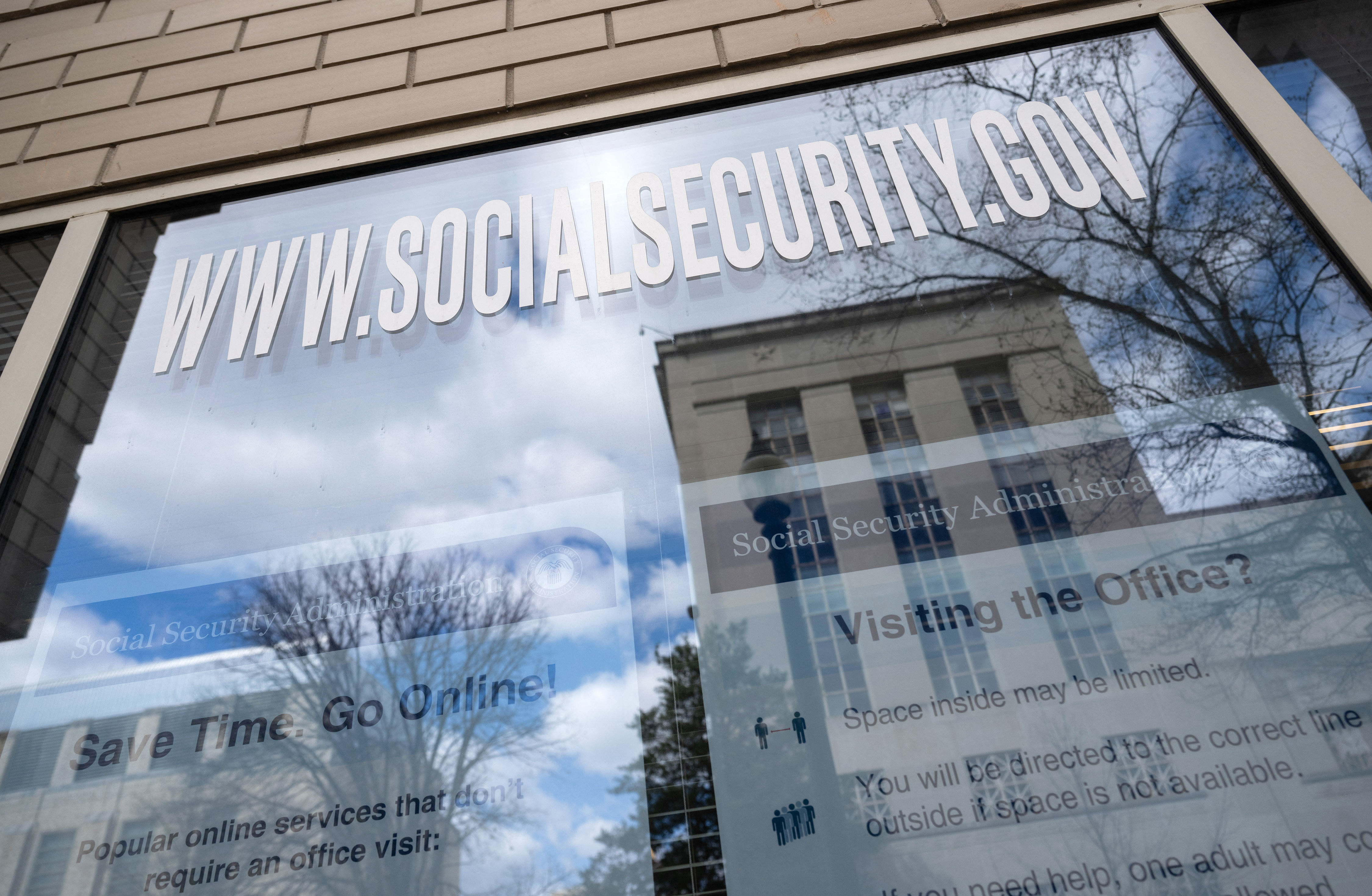

It took me 153 days, 74 phone calls and two five-figure checks to fix a single-digit mistake I made on my Social Security application: I had entered the right day and month but the wrong year to begin receiving my maximum retirement benefits when I turned 70.
Over the years, enough other people have slipped up similarly, or simply changed their minds, that the Social Security Administration has a one-page form to annul an application (SSA-521). The process is routine and should take no more than 60 days, I was told by employees at the main SSA office in the Loop. After that, I could reapply for benefits with the correct start date.
Not so fast: A cavalcade of mistakes delayed resolution of my case to five months. These public-service employees didn’t know what to do, concluded the seniors liaison for Mike Quigley, our U.S. representative, whom I contacted for intercession. So rather than do something they might get in trouble for, one after another, they did nothing.
On the other hand, I eventually lucked into connecting with a few conscientious civil servants, who actually dug into my file and contacted managers in other offices to get them to act. They also volunteered their first or last names and their phone extensions, called me back as promised with updates and ultimately prevailed. Without them, I’d probably still be in limbo.
Though some 75 million people depend on SSA for income — or roughly 1 in 5 Americans — it’s becoming harder and harder to reach an actual human being employed there. During last year’s government shutdown, 12% of the agency’s entire staff was furloughed, and field offices stopped providing in-person services for many tasks.
SSA Commissioner Frank Bisignano wants to reduce staffing even more. He has set a goal of cutting field office visits by half this year as part of his “digital-first” efficiency push that coerces applicants and claimants to do their business with Social Security online, whether they want to or not.
But as I learned the hard way, some matters cannot be turned into do-it-yourself projects, even for people who consider themselves to be tech-savvy.
I filed my SSA-521 withdrawal form in person on Oct. 31 in the Loop field office, after eight months of retroactive benefits unexpectedly showed up in our bank account. I thought about accepting my blunder and the lower payments I’d be forever locked into receiving, but calculated I’d be better off in my 80s and beyond by waiting to be eligible for the maximum amount as I had planned. (A gamble, I know.)
For almost a full month, I heard nothing. Then, on Nov. 26, I got a call from an agent in the Chicago office who told me my request had been processed that morning. The next step would be a letter I’d get in the mail telling me exactly how much I’d have to remit. I was told I had to mail the payment.
On Dec. 16, I received a letter from the Great Lakes Program Service Center in Chicago that I needed to repay almost $52,655.90. As instructed, I sent the check that same day with certified tracking to the Mid-Atlantic Program Service Center in Philadelphia.
A week later, the U.S. Postal Service showed my letter “moving through transit, arriving late.” That update was the last I ever got. I called USPS throughout the holidays, and on Jan. 6, a USPS agent said my letter probably had been lost and I should stop payment on my check. I did and sent a second check by certified mail to the same Philadelphia address. This check arrived on Jan. 9, according to USPS tracking.
Surprise: That first check hadn’t been lost after all. Our bank called to say that SSA attempted to cash it on Jan. 14, only to see it be declined because of my stop payment order. Nine days later, our bank records showed SSA successfully deposited the second check.
For the next almost two months, I called the Chicago Loop office for updates, waiting on hold only to end up often with employees from other offices who had been routed spillover calls. Their responses: It was still in process. These matters typically take weeks or months. We’re short-staffed. Call back next week.
On March 10, I had a breakthrough. A supervisor named Jessica called to say she had consulted with a technical expert named Collin in SSA’s Elkhart, Indiana, field office, who discovered that the first check (the one that bounced) had been handled by the program service center in Philadelphia. The second one had been cashed by the program service center in Chicago. Somehow, the Philadelphia center had never been notified of the successful repayment in Chicago so it had put my case on hold.
A week later, Collin called to say that though the Philadelphia center had been told to proceed, it hadn’t. After another week of no progress, I called the Chicago field office yet again and was connected with Mr. Calloway. He looked into the records and told me to come in with a photocopy of the cashed check and he would personally put in a work order to process the repayment. I promptly hurried to the Loop, and he promptly sent along a time-stamped order.
On April 2 — after a second supervisor-to-supervisor work order had to be issued and five full months since I submitted my SSA-521 form — Collin called to say that my benefits finally had been canceled. I was now OK to refile for benefits.
To play it safe, I completed my second application over the phone with Mr. Aguirre in the Chicago field office that same day. My retroactive benefits of $20,549.80 popped into our checking account on April 14, and I got my first monthly full retirement payment in mid-May.
I paid Social Security taxes for a half century, starting when I was 14. Tens of millions of other retired Americans have had Social Security payments withheld from their paychecks, too. Making the dwindling ranks of federal employees even more dispirited, bureaucratic and hard to reach is a disservice to us.
Michael Arndt is longtime writer and editor.
Submit a letter, of no more than 400 words, to the editor here or email letters@chicagotribune.com.


