
The indictment of Raúl Castro is a powerful statement, reinforcing that there is no statute of limitations on murder charges, and supports my belief that Castro’s Battle of Ideas was a failed concept.
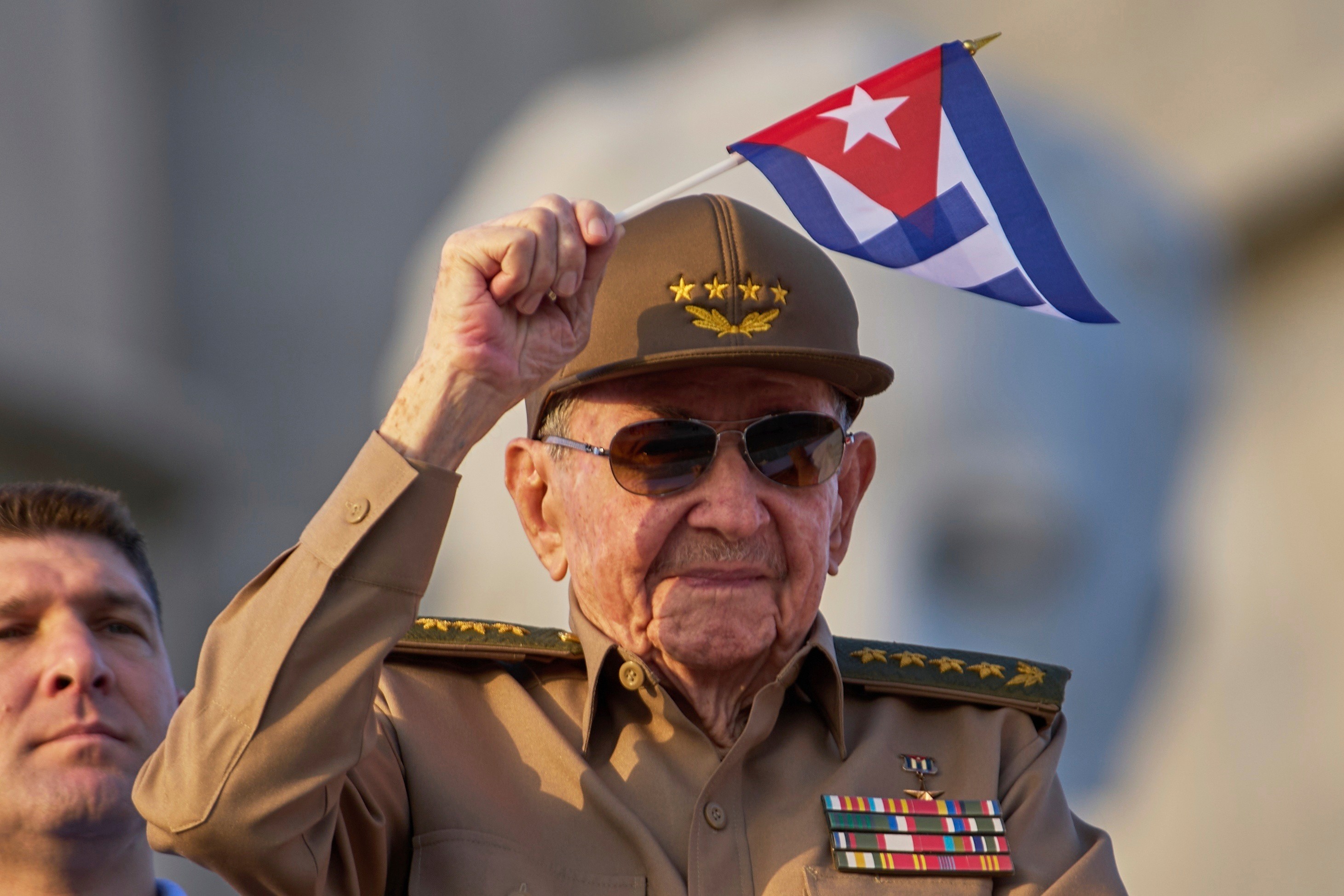
Castro, 94, is the brother of former Cuban leader Fidel Castro, and served as Cuba’s president from 2008 to 2018. He then led the Communist Party of Cuba until 2021. Castro was indicted earlier this year by a federal grand jury in Miami in connection with the Cuban military’s downing of two Brothers to the Rescue planes nearly 30 years ago. Charges against him include conspiracy to kill U.S. nationals, multiple counts of murder and destruction of aircraft.
News of the indictment led large crowds to gather outside the Freedom Tower in downtown Miami, waving Cuban flags and chanting “Libertad” as they celebrated what they considered a long-awaited step toward justice.
The Battle of Ideas was launched by Fidel Castro in late 1999, using the Elián González case as its catalyst. González was a 6-year-old boy at the center of a custody dispute that drew international attention. His mother took him from Cuba and attempted to enter the United States illegally, without his father’s knowledge. Elián’s father, Juan Miguel González, had not consented to the departure.
Some may recall that I played a key role in what became a high-profile custody battle. My interest at the time was the same as it has been throughout my career — keeping fathers in the lives of their children. In the González case, I was retained by Manuel González, Elián’s great-uncle from Cuba, who wanted Elián returned to his father. After a tough legal battle, our side prevailed and Elián was reunited with his father. Elián later became an industrial engineer and said that he was happy with the outcome.
Unfortunately, Fidel Castro used the case as the genesis of what he deemed the Battle of Ideas — a political mobilization campaign that was little more than a propaganda tool for his government. Raúl, then Cuba’s minister of the revolutionary armed forces and second-in-command to Fidel, helped shape the campaign.
The key components of Castro’s campaign were daily rallies, forced media saturation, forced youth assemblies and marches, diplomatic pressure and an ideological revival that ultimately lasted several years after Elián was returned to Cuba.
While some may assume Raúl Castro and I were on the same side because we both wanted Elián returned to Cuba, the motivations could not have been more different. As stated, my interest was only to reunite a child with his father; Castro’s interest was clearly a lot more self-serving — using the case to assert national sovereignty at a time of internal economic strain.
In the decades since, the evidence suggests Elián became a productive member of Cuban society, a testament to the influence of growing up with his father. I strongly believe time has also revealed that Raúl Castro’s political ideology was bankrupt.
Attorney Jeffery M. Leving, a specialist in fathers’ rights, is a recipient of a 2023 Presidential Lifetime Achievement Award presented by President Joe Biden.
Submit a letter, of no more than 400 words, to the editor here or email letters@chicagotribune.com.