
The gardening season is also the composting season. Making your own compost — the dark brown, crumbly remains of decayed plants — is a great way to improve your soil, make use of garden waste and recycle nutrients for your plants to use. And it’s free.
“Enriching the soil with compost can usually meet your plants’ needs for nutrients,” said Sharon Yiesla, plant knowledge specialist in the Plant Clinic at The Morton Arboretum in Lisle. “It’s a much better deal than paying for fertilizer.”
The word compost means organic matter that has decomposed. Composting in the garden is just a way of speeding up the natural process that creates soil all over the world, as organisms such as bacteria, fungi, insects and earthworms consume dead plants to make humus. In the process, they release nutrients for living plants to use.
“When we compost our garden waste, we set these creatures a banquet of food to invite them to break it down for us,” Yiesla said.
Here’s how to get started composting in your yard. For more detailed advice on making and using compost, see mortonarb.org/composting.
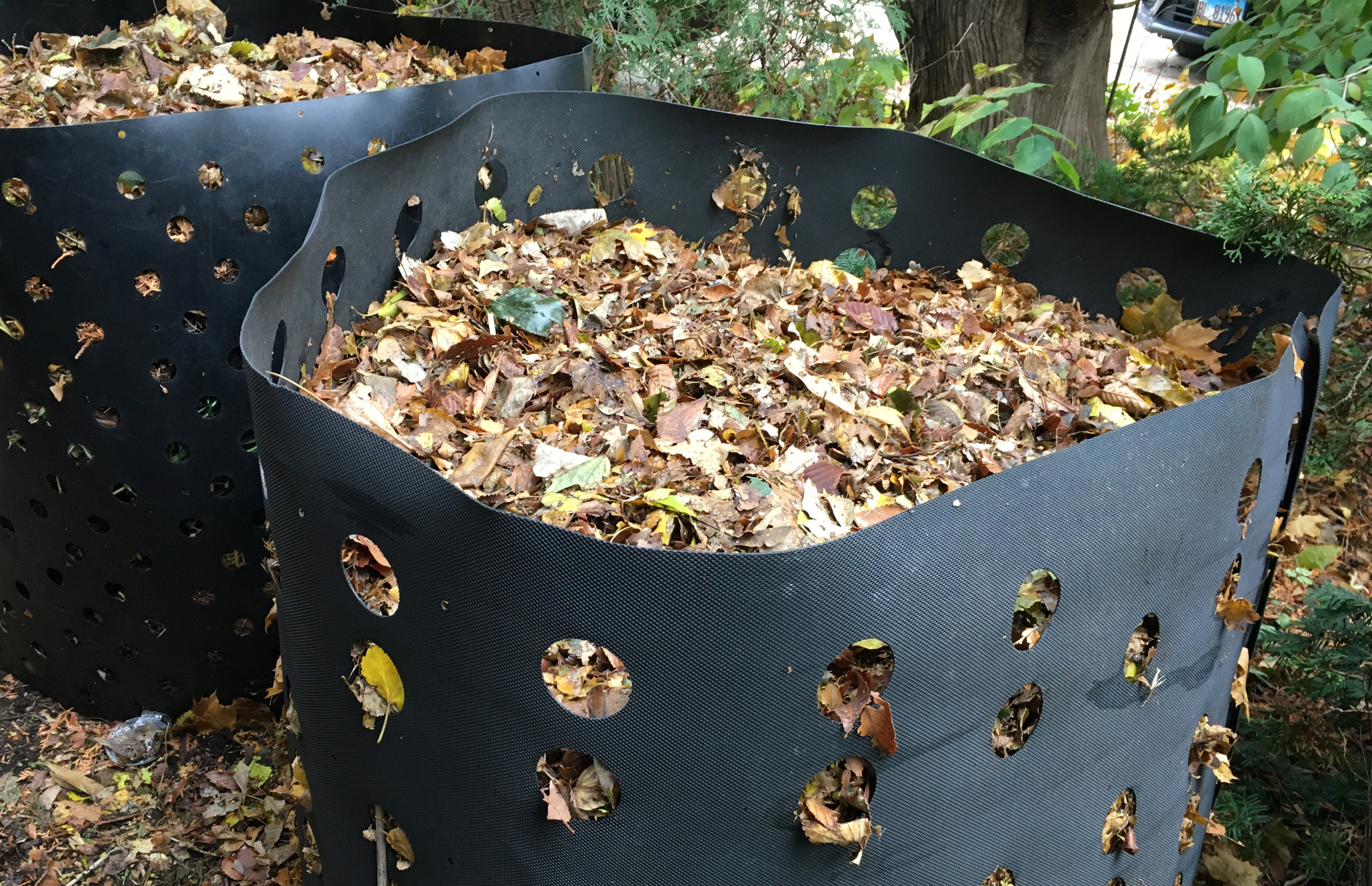
Make space: Although most gardeners use some sort of bin to hold in heat and moisture and deter animals, a simple pile will also work. Make sure you situate it where it won’t annoy the neighbors and where you have space to work around it.
Collect dead plants: Combine carbon-rich brown materials, such as dried fallen leaves, with nitrogen-rich green materials, such as grass clippings, hedge clippings, sod or weeds you’ve pulled. “Don’t worry about a precise ratio,” she said. “Just remember that you need both.” To start, make layers of brown and green stuff.
Include some soil: A handful of garden soil contains millions of microorganisms. Scatter soil on each layer as you start a compost pile so the organisms can find the new food sources and get to work faster.
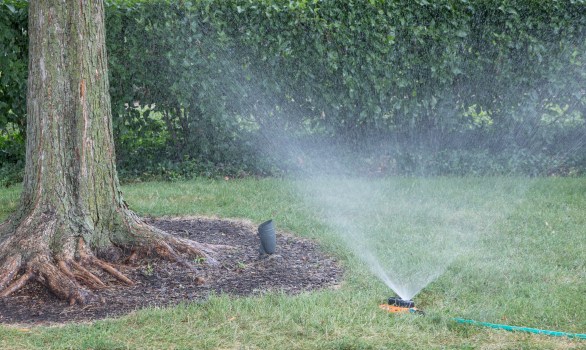
Water it: The process works best if the pile is moist but not soaking wet. In an open pile or bin, rainfall will supply enough water most of the time. In dry periods, water your compost pile when you water the nearby plants.
Keep adding: As you weed, prune and pinch back plants through the gardening year, add the green stuff you collect to the compost. Remember to include brown materials along with green ones; many gardeners collect a stash of leaves in fall so they have a steady supply for composting. A rule of thumb is that a compost pile or bin works most efficiently when it is about a cubic yard in size, or roughly 3 by 3 by 3 feet.
Include food waste with care: Coffee grounds, tea bags and fruits and vegetables, such as cores and peels or too-far-gone produce, can be composted. They count as green material. Be sure to mix them in, and include brown material as well. Don’t compost cooked food.
Keep some things out: Certain garden waste should go in the landscape waste, not the compost. They include any plants with disease or insect problems; weeds that have gone to seed; anything treated with pesticides; and sticks larger than slender twigs, because they take too long to break down. The garbage is the place for non-plant kitchen waste, such as meat, bones, dairy products, fats and baked goods. If you add these materials to the compost pile or bin, they will attract rodents and cause odors. Never compost pet waste.
Turn every few weeks: Turn over the pile with a garden fork to mix it and fluff it up. This will redistribute the organisms and make air spaces so they get the oxygen they need.
Be patient: Composting takes time. “It’s likely to be several months before you have your first usable compost,” Yiesla said. A continually moist pile that is regularly turned will decompose faster, but eventually, all dead plants will turn to humus.
Check if it’s done: Compost is ready to use when it is dark brown, fluffy and crumbly. Sift out the finished compost and toss anything that has not yet broken down back into the pile or bin to keep decomposing.
Put it to work: Use compost as a nutrient-rich soil amendment, top-dressing or mulch.
For tree and plant advice, contact the Plant Clinic at The Morton Arboretum (630-719-2424, mortonarb.org/plant-clinic, or plantclinic@mortonarb.org). Beth Botts is a staff writer at the Arboretum.