
High-fiving my colleagues at the start of the school year last fall, I felt like we had finally won the war against distractions. My district was implementing a policy I had long wanted: a cell phone-free campus. After years of battling screens in my high school English classroom, I was ready to head back to learning with focus.
At first, it worked. I saw faces again. I heard real responses. Conversations that had once been impossible with phones in hand started to come back to life.
But I hadn’t anticipated how deeply my students relied on their phones to soothe their anxiety and within days, the tension of being unplugged was palpable. Just as quickly, I realized I needed strategies to manage my friction-filled classroom and to restructure the way it looked to support this new generation of students.

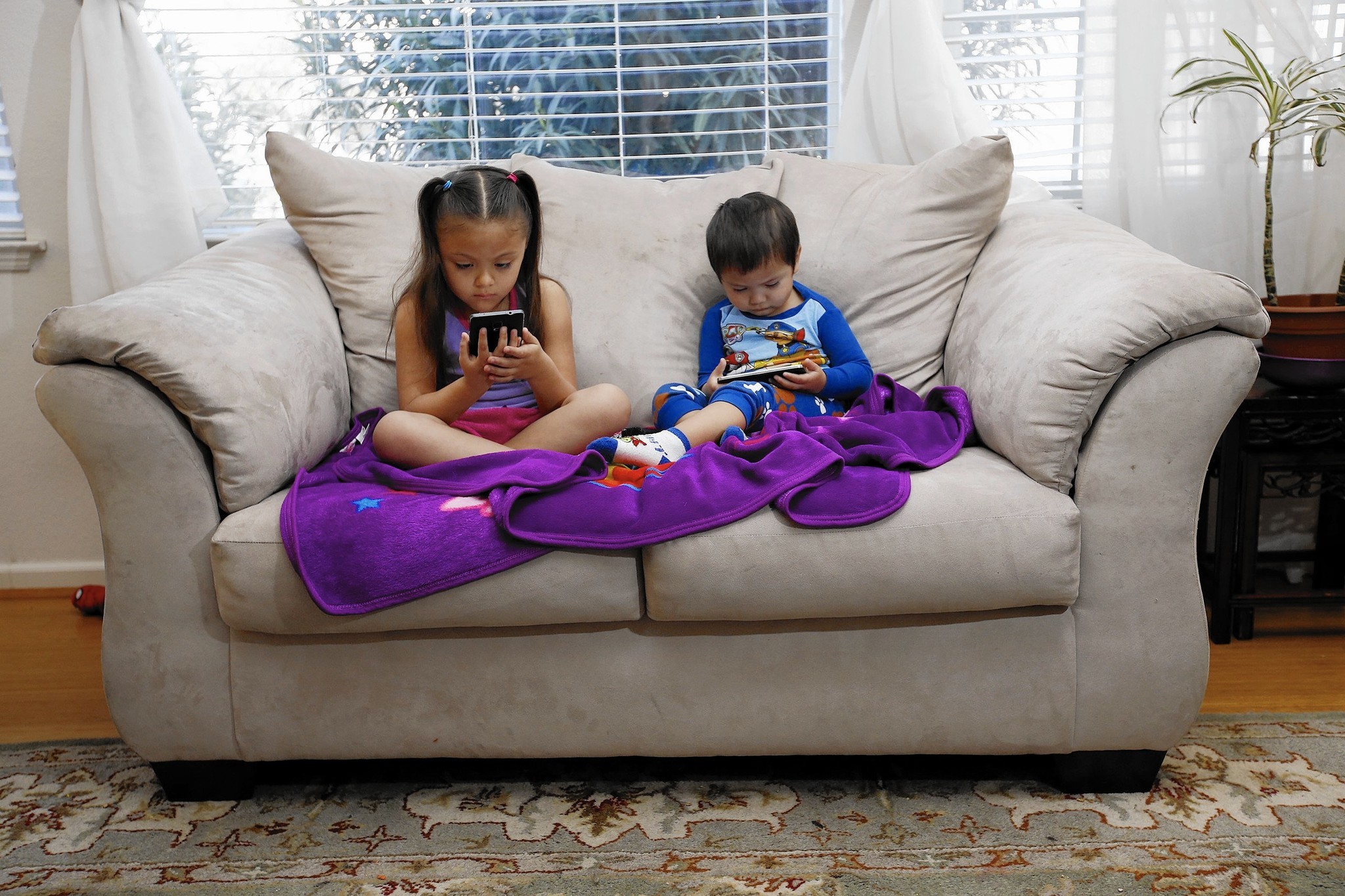
Phone-free schools are essential for learning, but what became clear very quickly is that removing phones without replacing the support they provide leaves a gap. Students don’t just lose a distraction: they lose a coping mechanism. And if I’m being honest, as a millennial parent, I’m part of the reason why. When smartphones and tablets became mainstream, many of us used them to occupy and soothe our kids. My Honda Odyssey even played “Thomas the Train” on short trips. We built this dependency and now we’re asking students to function without it.
The cell-phone-free schools bill, SB2427 has officially cleared the General Assembly and now heads to the governor, with full implementation slated for the 2027-28 school year. About 30 states already have phone-free school and classroom policies.
As Illinois moves closer to this mandate, how do we support students across the state through this shift? From my own experience, it comes down to three things: honest dialogue, adult modeling and consistency.
Open dialogue mattered immediately. During the first week of the cell phone ban at my school, students were anxious about losing the constant stream of their music, the ability to maintain instant communication with friends, and the immediate access to their social media feeds. Instead, we created space for real conversations. We held circles to talk through fears and frustrations. Some students needed more support and were referred to social workers.
Those conversations were eye-opening. One student said it plainly: “If I have my phone out, I don’t have to talk to you.” That reframed how I thought about my classroom and how to rebuild comfort in human interaction. Over time, many students began to accept the policy, not because they liked it, but because it was consistent and we talked through it together.
Adult modeling also played a big role. I kept my own phone in a pouch at my desk. I didn’t have to, but I wanted students to see that I was in it with them. Some colleagues followed, and soon it became part of our culture. Beyond that, I shared how I manage my own stress through non-tech habits.
Stability and collective follow-through, though, was the backbone of everything in my classroom and throughout our school. Without it, the policy would have fallen apart. Students tested limits — using their school-issued Chromebooks to watch their favorite shows, bringing multiple devices, even swapping in personal iPads. We used screen monitoring software, but also simple strategies like “screens down” moments. More importantly, the staff stayed united. We addressed workarounds quickly and supported each other in holding the line.
A phone-free school isn’t just about taking devices away. It’s about what replaces them. When schools commit to open dialogue, model the behaviors they expect and stay consistent, something powerful happens. Students begin to reconnect — with each other, with learning, and with themselves.
Sarah Said is an English Language Learner English teacher at School District U-46’s Dream Academy High School in Elgin and a 2025-26 Teach Plus Illinois Senior Policy Fellow.